

Types and Characteristics of Silicon Carbide Pneumatic Conveying Systems and Their Applications
HeadPowder, a leading manufacturer based in Shandong, China, specializes in the design, development, and implementation of advanced pneumatic conveying systems tailored for silicon carbide applications. This article explores the various types of silicon carbide pneumatic conveying systems, their key features, and the diverse industrial applications where they are employed.
Introduction to Silicon Carbide Pneumatic Conveying Systems
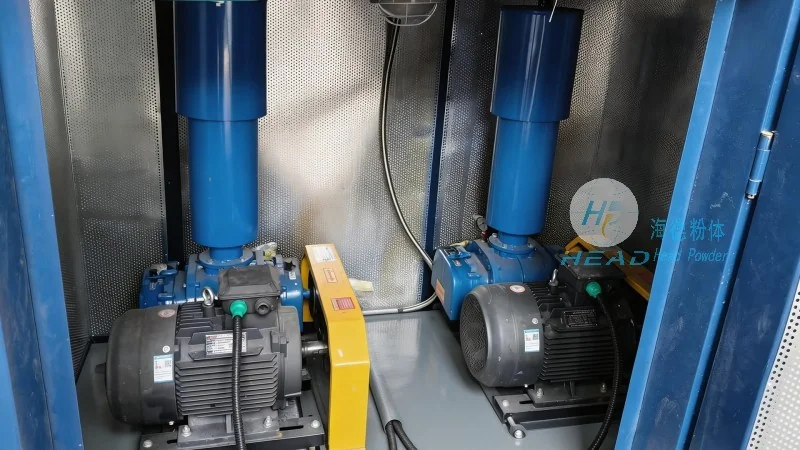
Silicon carbide (SiC) is a high-performance ceramic material widely used in various industries due to its exceptional hardness, thermal stability, and chemical resistance. Pneumatic conveying systems are essential for handling SiC powder and granules efficiently, ensuring minimal product degradation and maintaining process integrity. HeadPowder's expertise lies in creating customized solutions that address the unique challenges associated with SiC material handling, such as its abrasive nature and potential for dust generation.
Different Types of Silicon Carbide Pneumatic Conveying Systems
There are primarily two main categories of pneumatic conveying systems used for silicon carbide: positive pressure (pressure) systems and negative pressure (vacuum) systems. Each type has distinct characteristics and is suitable for different operational requirements.
Positive Pressure (Pressure) Pneumatic Conveying
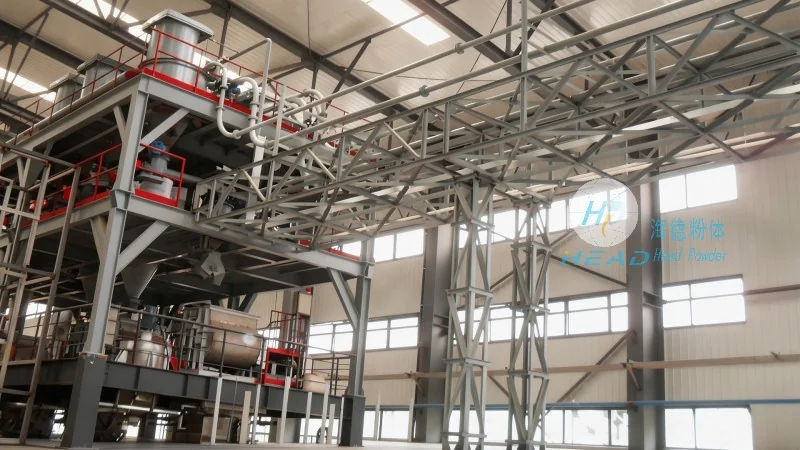
Positive pressure systems operate by blowing air or gas into the conveying line, creating a pressure higher than the ambient air. This method is ideal for conveying materials over long distances or through complex piping networks. For silicon carbide, positive pressure systems are often preferred when dealing with abrasive or high-density materials, as they can handle higher flow rates and maintain consistent pressure to prevent material blockages. HeadPowder designs pressure systems with robust components, including high-quality blowers and specialized valves, to ensure reliable operation and minimize wear from SiC particles.
Negative Pressure (Vacuum) Pneumatic Conveying
Negative pressure systems, also known as vacuum systems, draw material into the conveying line using a vacuum created by a fan or ejector. This approach is commonly used for short-distance conveying or when the material needs to be transported from a source that is difficult to access. Vacuum systems are particularly effective for handling fine SiC powders, as they can maintain a consistent flow and prevent dust dispersion. HeadPowder's vacuum systems are engineered with efficient vacuum pumps and filtration systems to ensure clean and efficient material transfer while maintaining the purity of the SiC product.
Key Features of Silicon Carbide Pneumatic Conveying Systems
Regardless of the system type, silicon carbide pneumatic conveying systems from HeadPowder are characterized by several key features that enhance performance and durability:

- Robust Material Handling Components: All components, including pipes, valves, and blowers, are constructed from corrosion-resistant and wear-resistant materials to withstand the abrasive nature of silicon carbide. This includes the use of stainless steel, special alloys, and lined components to extend the system's lifespan.
- Customizable Design: HeadPowder offers tailored solutions that can be adapted to specific process requirements, such as varying material flow rates, conveying distances, and environmental conditions. This flexibility ensures optimal performance and cost-effectiveness for each application.
- Advanced Control Systems: Modern pneumatic conveying systems are equipped with sophisticated control panels that allow for real-time monitoring and adjustment of pressure, flow rate, and other critical parameters. This feature enhances operational efficiency and reduces downtime.
- Integrated Filtration and Dust Collection: To maintain product purity and comply with environmental regulations, HeadPowder's systems include high-efficiency filtration and dust collection units. These systems effectively capture and remove fine SiC particles from the air, preventing contamination and ensuring a clean working environment.
Applications of Silicon Carbide Pneumatic Conveying Systems
Silicon carbide pneumatic conveying systems are widely used across various industries where SiC is a critical component. Some of the key applications include:
- Automotive Industry: SiC is used in the production of brake pads, clutches, and other friction materials. Pneumatic conveying systems efficiently transport SiC powders to mixing and molding processes, ensuring consistent material quality.
- Electronics and Semiconductor Manufacturing: SiC is a key material in the production of high-power electronic devices and semiconductor components. Pneumatic conveying systems are used to handle SiC powders for sintering and coating processes, maintaining the purity required for high-performance electronics.
- Refining and Metallurgy: In the refining of metals and the production of advanced ceramics, SiC is used as a refractory material and abrasive. Pneumatic conveying systems facilitate the transport of SiC granules and powders to furnaces and processing equipment, improving operational efficiency.
- Chemical Processing: SiC is utilized in the chemical industry for catalysts and as a component in various chemical reactions. Pneumatic conveying systems ensure safe and efficient handling of SiC materials, minimizing the risk of dust exposure and contamination.
Conclusion and Company Expertise
HeadPowder, with its headquarters in Shandong, China, is a trusted provider of silicon carbide pneumatic conveying systems. The company's commitment to innovation, quality, and customer satisfaction has established it as a leader in the field. By leveraging advanced engineering and customized solutions, HeadPowder ensures that its systems meet the demanding requirements of SiC material handling, delivering reliable performance and long-term value to clients across diverse industries.