

Types, Features, and Application Ranges of Activated Carbon Pneumatic Conveying
Activated carbon, renowned for its exceptional adsorption capabilities, is integral to numerous industrial processes. The efficient and reliable transportation of activated carbon is vital for optimizing production workflows and maintaining consistent quality. Pneumatic conveying systems provide a solution by utilizing air or other gases to move activated carbon particles from one location to another. This article examines the various types of activated carbon pneumatic conveying systems, their key characteristics, and the diverse application areas where they are utilized.
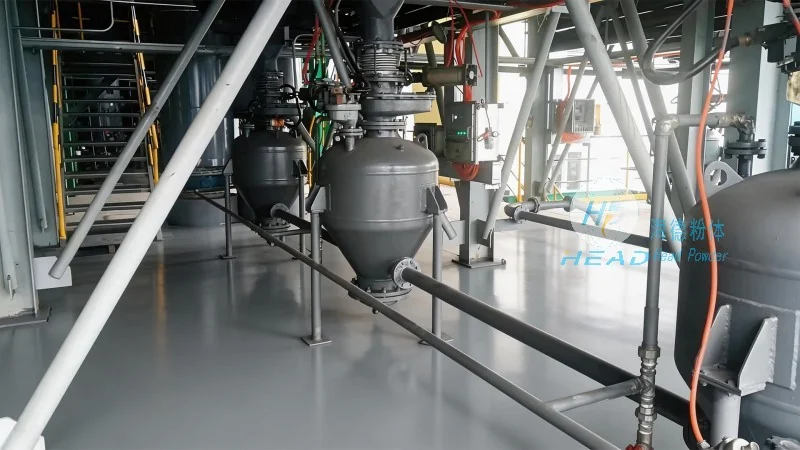
Overview of Activated Carbon Pneumatic Conveying Systems
Activated carbon pneumatic conveying systems leverage air or gas to transport activated carbon particles. These systems are engineered to handle the unique properties of activated carbon, such as its fine particle size and high adsorption capacity. The primary objective is to preserve the integrity of the activated carbon while minimizing loss and contamination during the conveying process. Several types of pneumatic conveying systems exist, each with distinct advantages and specific applications.
Types of Activated Carbon Pneumatic Conveying
1. Positive Pressure Conveying: This system operates by blowing air or gas into the conveying line, creating positive pressure that propels the activated carbon particles forward. It is suitable for short to medium distances and is effective for handling dry, free-flowing materials. The positive pressure system ensures continuous material movement without the need for vacuum assistance.
2. Negative Pressure (Vacuum) Conveying: In this system, a vacuum is created at the receiving end, drawing activated carbon particles into the conveying line. This method is ideal for long-distance transport and for materials prone to dust or requiring a closed system to prevent environmental contamination. The vacuum system is particularly useful when activated carbon needs to be transported from multiple sources to a central collection point.
3. Combined Pressure-Vacuum Conveying: This hybrid system integrates the benefits of both positive and negative pressure methods. It uses positive pressure at the discharge end and vacuum at the intake end, allowing flexible and efficient transport over varying distances. The combined system is versatile and can handle both short and long conveying tasks, making it suitable for complex production environments where activated carbon must be moved between multiple locations.
Key Features of Activated Carbon Pneumatic Conveying Systems
Effective activated carbon pneumatic conveying systems possess several critical features that enhance performance and reliability. These features are designed to address the specific challenges of handling activated carbon, such as particle size, moisture content, and the need for a clean, dust-free environment.
Firstly, high efficiency and low energy consumption are essential. Modern systems are engineered to minimize energy use while maximizing the volume of activated carbon transported per unit of energy. This is achieved through optimized air flow rates, efficient pipeline designs, and advanced control systems that regulate the conveying process.
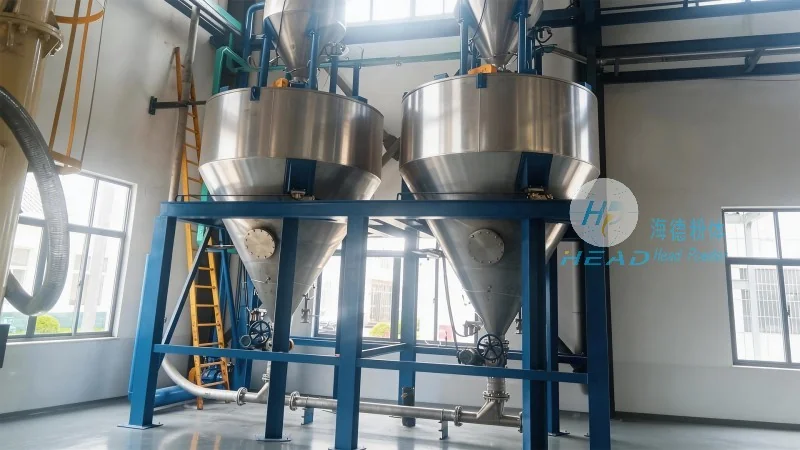
Secondly, gentle handling and minimal product degradation are crucial. Activated carbon particles are delicate and can be easily damaged or agglomerated during transport. Pneumatic conveying systems employ low-velocity air or specialized valves to ensure smooth particle movement without excessive friction or impact. This helps maintain the adsorption capacity and structural integrity of the activated carbon.
Thirdly, flexibility and adaptability are important. The systems are designed to accommodate different particle sizes, flow rates, and conveying distances. They can be easily modified or expanded to meet changing production requirements, making them suitable for both small-scale and large-scale industrial applications.
Fourthly, environmental safety and dust control are key features. Activated carbon is often used in processes where dust control is critical, such as in water treatment or air purification. Pneumatic conveying systems are equipped with dust collection and filtration systems to prevent fine particle release into the environment. This ensures compliance with environmental regulations and maintains a safe working environment.
Application Ranges of Activated Carbon Pneumatic Conveying
Activated carbon pneumatic conveying systems are widely used across various industries due to their versatility and efficiency. The application ranges vary based on the specific process requirements and the characteristics of the activated carbon being transported.
1. Water Treatment and Purification: In water treatment facilities, activated carbon is used to remove impurities, odors, and contaminants from water. Pneumatic conveying systems are used to transport activated carbon from storage silos to treatment units. This ensures a continuous supply of high-quality activated carbon without manual handling, which can be hazardous and inefficient.
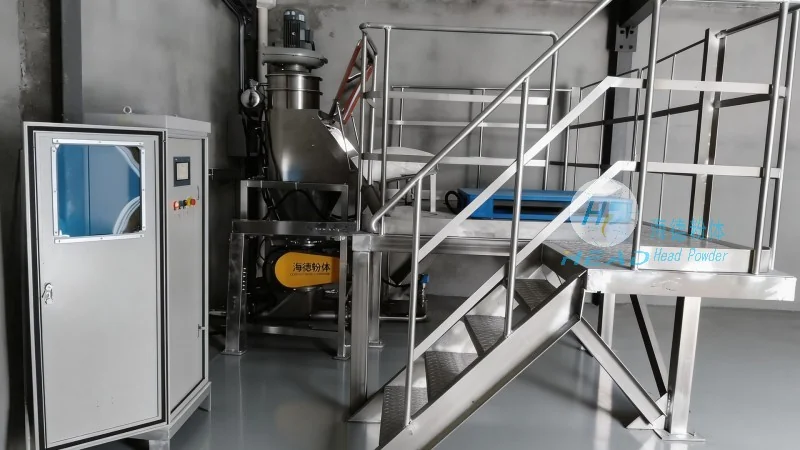
2. Air Purification and Filtration: Activated carbon is a key component in air purification systems, especially in industrial settings where air quality is critical. Pneumatic conveying systems are used to transport activated carbon to filters and adsorption units, ensuring the filtration process remains effective and efficient. The systems help maintain the filter media by providing a consistent supply of fresh activated carbon.
3. Pharmaceutical and Food Processing: In the pharmaceutical and food industries, activated carbon is used for decolorization, deodorization, and purification of products. Pneumatic conveying systems are employed to transport activated carbon to processing equipment, ensuring hygienic handling without contamination. This is crucial for maintaining product quality and meeting regulatory standards.
4. Chemical and Petrochemical Industries: Activated carbon is used in various chemical processes, such as solvent recovery and chemical synthesis. Pneumatic conveying systems are used to transport activated carbon between reactors, storage tanks, and processing units. The systems help streamline production processes and improve overall efficiency.
5. Environmental Remediation: Activated carbon is used in environmental remediation projects to treat contaminated soil and water. Pneumatic conveying systems are used to transport activated carbon to remediation sites, ensuring controlled and efficient delivery. This accelerates the remediation process and reduces the environmental impact of contamination.
Conclusion
Activated carbon pneumatic conveying systems offer a reliable and efficient solution for transporting activated carbon in various industrial applications. The different types of systems—positive pressure, negative pressure, and combined pressure-vacuum—provide flexibility to meet diverse conveying requirements. Key features such as high efficiency, gentle handling, and environmental safety make these systems suitable for handling the delicate nature of activated carbon. The application ranges span from water treatment and air purification to pharmaceutical and chemical industries, highlighting the versatility of pneumatic conveying in optimizing production processes and ensuring product quality.
Shandong HeadPowder Engineering Co., Ltd., a leading provider of industrial conveying solutions, specializes in designing and manufacturing activated carbon pneumatic conveying systems tailored to client needs. With a focus on innovation and quality, the company ensures its systems meet the highest performance and reliability standards. Based in Shandong, China, HeadPowder Engineering Co., Ltd. serves a wide range of industries, providing customized solutions that enhance operational efficiency and product quality. For more information on activated carbon pneumatic conveying systems and other industrial conveying solutions, please contact us.