

Technical Parameters and Process of Solid Powder Transport Systems
Headpowder, a leading company based in Shandong, China, specializes in the design and implementation of advanced solid powder transport systems. These systems are engineered to handle various types of powders with precision, ensuring efficient and reliable material handling in industrial applications. The following sections detail the technical parameters and process involved in such systems, highlighting the key aspects that contribute to their effectiveness.
Technical Parameters of Solid Powder Transport Systems
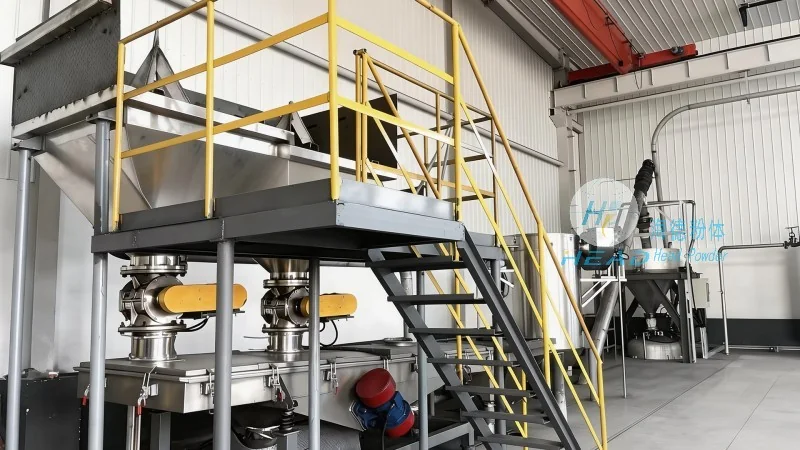
The technical parameters of solid powder transport systems are critical for optimizing performance and ensuring safety in industrial operations. Key parameters include material flow rate, which determines the throughput capacity of the system, and particle size distribution, which affects the system's ability to handle different powder characteristics. The system's design also considers the density and bulk density of the powder, as these factors influence the pressure drop and energy consumption during transport. Additionally, the system must accommodate the moisture content and chemical properties of the powder to prevent degradation or clogging. Headpowder's expertise lies in tailoring these parameters to meet specific customer requirements, ensuring that the transport system operates efficiently under diverse conditions.
Components and Design of the Transport System
Solid powder transport systems typically consist of several key components, each playing a crucial role in the overall process. The primary components include feeders, which control the flow of powder from the source, conveyors or pipelines that transport the material, and control systems that regulate the operation. The feeders are designed to handle different feeding modes, such as bulk or batch feeding, and can be adjusted to maintain a consistent flow rate. The conveyors or pipelines are constructed from materials resistant to the powder's chemical properties, such as stainless steel or special coatings, to prevent corrosion and material buildup. The control systems integrate sensors and automation technologies to monitor and adjust the system's performance in real-time, enhancing operational efficiency and reducing downtime. Headpowder's engineers design these components to work in harmony, ensuring seamless operation and minimal maintenance requirements.
Process Flow and Operational Efficiency
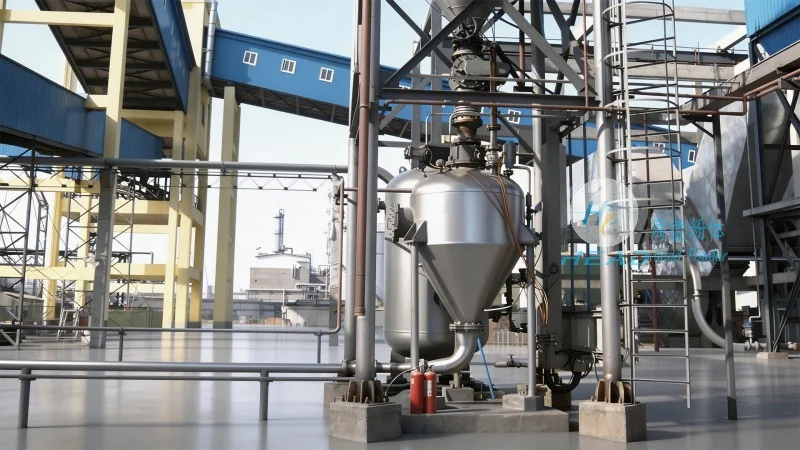
The process flow of a solid powder transport system involves several stages, each contributing to the overall efficiency of the operation. The initial stage includes material preparation, where the powder is processed to meet the required specifications. This may involve drying, screening, or blending to ensure uniformity. The prepared material is then fed into the system through the feeder, which regulates the flow into the conveyor. The conveyor transports the powder to the destination, such as a storage silo or processing unit. The system's control panel monitors the flow rate, pressure, and temperature, adjusting the operation as needed to maintain optimal conditions. Headpowder's systems are designed to minimize energy consumption and maximize throughput, with features like variable speed drives and energy-efficient motors. The process flow is optimized to reduce material loss and prevent contamination, ensuring that the final product meets quality standards. Additionally, the system incorporates safety features, such as emergency shut-off valves and pressure relief devices, to protect operators and equipment from potential hazards.
Customization and Application Flexibility
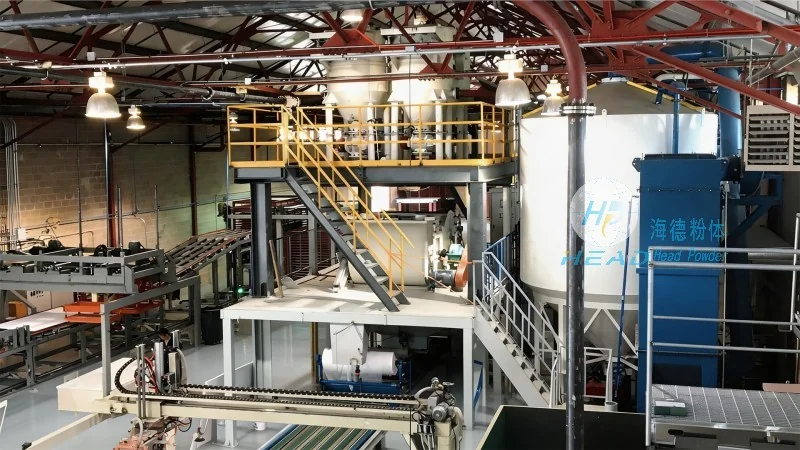
Headpowder understands that each industrial application has unique requirements, and therefore offers customized solid powder transport systems tailored to specific needs. The company works closely with clients to understand their operational challenges and design solutions that address these challenges effectively. Customization options include adjusting the system's capacity, modifying the conveyor length or diameter, and integrating additional features such as dust collection or material weighing systems. The systems can be adapted for various industries, including pharmaceuticals, food processing, chemical manufacturing, and mining. For example, in the pharmaceutical industry, the transport system must meet stringent hygiene and contamination control standards, which Headpowder addresses through stainless steel construction and advanced cleaning protocols. In the food industry, the system is designed to handle food-grade powders, with materials that are non-toxic and easy to clean. Headpowder's flexibility in customization ensures that clients receive a system that is not only efficient but also compliant with industry regulations and standards.
Maintenance and Longevity of the Transport System
The longevity and reliability of a solid powder transport system depend on regular maintenance and proper operation. Headpowder provides comprehensive maintenance services to ensure that the system operates at peak performance throughout its lifespan. Regular maintenance includes inspecting and cleaning components, such as feeders and conveyors, to prevent clogging and material buildup. The system's sensors and control panels are checked to ensure they are functioning correctly, and any issues are addressed promptly. Headpowder's engineers recommend a preventive maintenance schedule, which includes routine checks and component replacements before they fail. This proactive approach minimizes downtime and extends the system's operational life. The company also provides spare parts and technical support to clients, ensuring that any issues are resolved quickly and efficiently. By adhering to proper maintenance practices, clients can maximize the system's efficiency and reduce long-term operational costs. Headpowder's commitment to quality and reliability ensures that their transport systems provide consistent performance over many years, making them a trusted choice for industrial applications.