

Technical Parameters and Conveying System Processes for Foam Plastics
Understanding the technical parameters and effective conveyance processes is crucial for optimizing the production and handling of foam plastics. This article provides an in-depth look at the key technical specifications that define foam plastic performance and the advanced conveying systems designed to ensure efficient material transport within industrial settings.
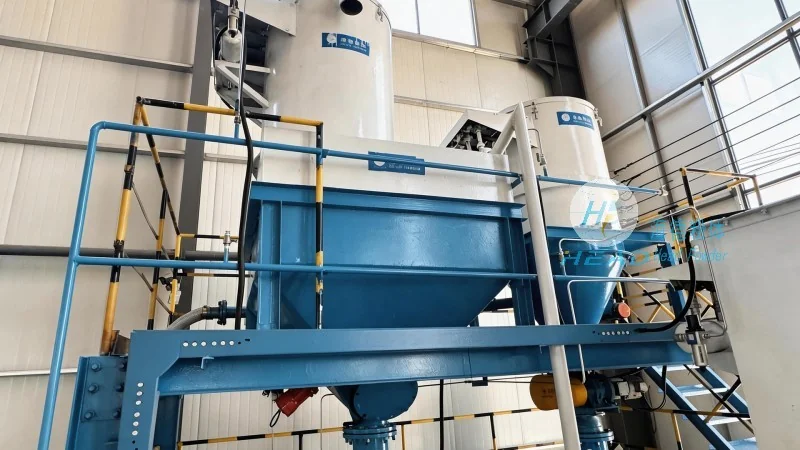
Key Technical Parameters of Foam Plastics
Foam plastics, widely used in various industries for their lightweight and insulating properties, are characterized by several critical technical parameters that impact their application and performance. These parameters include density, which determines the material's weight and strength; compressive strength, indicating its ability to withstand pressure; and thermal conductivity, affecting its insulation efficiency. Additionally, factors such as moisture absorption, dimensional stability, and flame resistance are essential for ensuring the foam meets specific industry standards and end-use requirements. The precise control of these parameters is vital for manufacturers to produce foam plastics that meet both functional and regulatory demands.
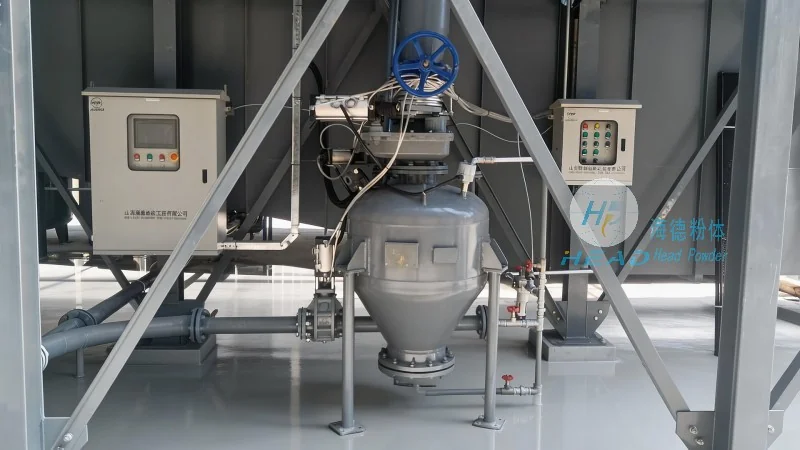
Conveying System Design for Foam Plastic Handling
Efficient conveying systems are essential for the seamless movement of foam plastic materials from production lines to storage or processing areas. The design of these systems must consider the unique properties of foam plastics, such as their low density and potential for dust generation. HeadPowder, a leading provider of engineering solutions, specializes in developing customized conveying systems tailored to the specific needs of foam plastic manufacturers. These systems typically incorporate features like low-friction components to minimize material degradation, dust collection mechanisms to maintain air quality, and adjustable speed controls to handle varying material volumes. The integration of advanced materials and engineering principles ensures that the conveying process is both efficient and cost-effective, reducing downtime and improving overall production throughput.
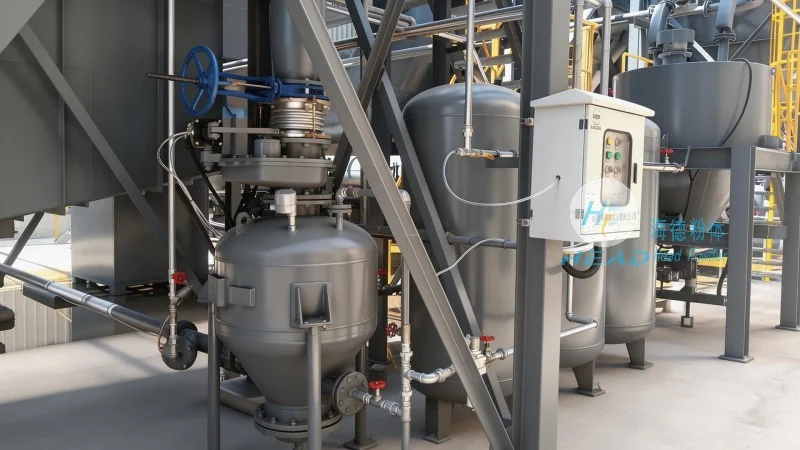
Process Optimization Through Technical Integration
Optimizing the production and handling of foam plastics involves the integration of technical parameters with advanced conveying systems. By aligning the material's density and compressive strength with the conveying system's design, manufacturers can achieve better control over the material flow and reduce the risk of damage or contamination. For instance, using high-capacity conveyor belts with gentle handling features can prevent the foam from being crushed or deformed during transport. Additionally, incorporating sensors and monitoring systems allows for real-time tracking of material conditions, enabling immediate adjustments to the conveying process if deviations occur. This proactive approach to process optimization not only enhances product quality but also improves operational efficiency and reduces waste in foam plastic production.
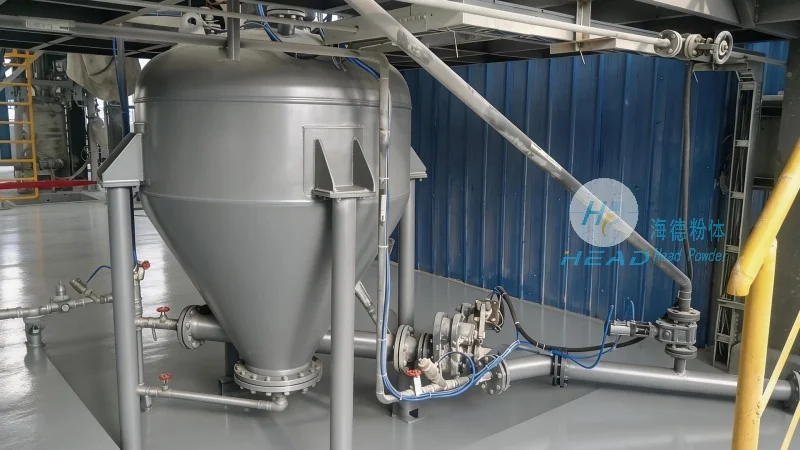
Company Overview: Shandong HeadPowder Engineering Co., Ltd.
As a reputable engineering company based in Shandong, China, Shandong HeadPowder Engineering Co., Ltd. (headpowder) has established itself as a trusted partner in the foam plastic industry. With a focus on innovation and customer-centric solutions, HeadPowder provides comprehensive engineering services, including the design and implementation of conveying systems tailored to the unique requirements of foam plastic manufacturers. The company's expertise in material handling and process optimization has helped numerous clients improve their production efficiency, reduce operational costs, and enhance product quality. HeadPowder's commitment to quality and reliability makes it a preferred choice for businesses seeking to enhance their foam plastic processing capabilities.