

Role of Pneumatic Conveying in Dust Ash Transportation
HeadPowder, a leading provider of material handling solutions, specializes in advanced pneumatic conveying systems designed for efficient dust ash transportation. With decades of industry experience, the company has developed innovative technologies that address the unique challenges associated with handling fine particulate materials like dust ash. This article explores the critical role of pneumatic conveying in optimizing dust ash transport processes, highlighting key benefits and technical considerations.
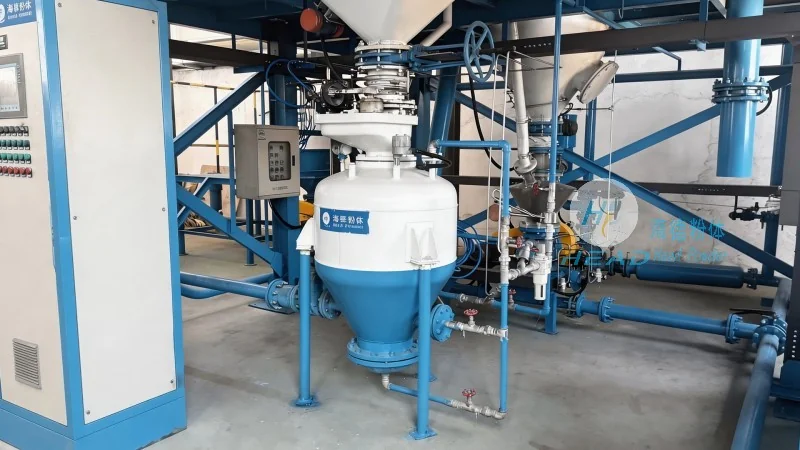
Understanding Dust Ash and Its Transportation Challenges
Dust ash, commonly generated from industrial processes such as power generation, cement production, and metal smelting, poses significant challenges during transportation. These fine particles are often abrasive, lightweight, and prone to re-entrainment, making traditional bulk material handling methods inefficient and costly. Conventional methods like belt conveyors or screw conveyors may suffer from material buildup, blockages, and increased maintenance requirements when dealing with dust ash. Pneumatic conveying offers a solution by utilizing air pressure to transport materials in a closed system, minimizing environmental contamination and operational disruptions.
Pneumatic Conveying Systems: How They Work
Pneumatic conveying systems operate by creating a pressure differential to move materials through a pipeline. There are two primary types: pressure and vacuum systems. Pressure systems use compressed air to push material from a source to a destination, while vacuum systems draw material using a vacuum pump. For dust ash, pressure systems are often preferred due to their ability to handle high volumes and abrasive materials without excessive wear. The system typically includes components such as a hopper, feeder, pipeline, and receiver. The feeder controls the flow rate of dust ash into the pipeline, while the pipeline transports the material to the destination. The receiver collects the material and may include a dust collection system to prevent emissions.
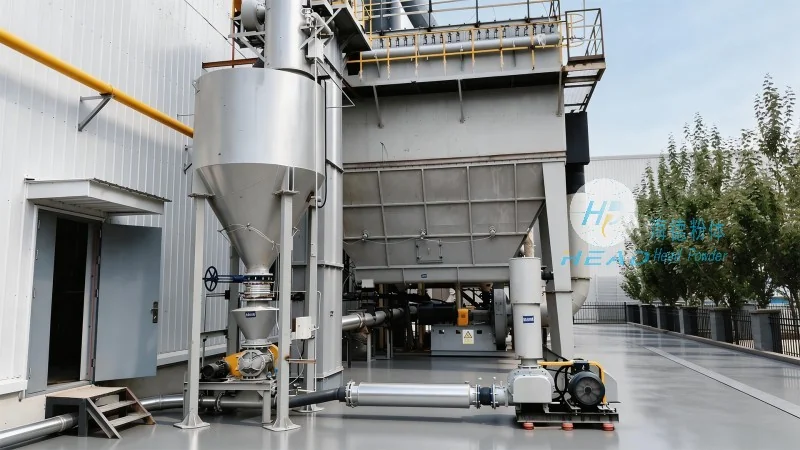
Key Advantages of Pneumatic Conveying for Dust Ash
Implementing pneumatic conveying for dust ash transportation offers several advantages. Firstly, it provides a closed system that prevents dust emissions, ensuring compliance with environmental regulations and improving workplace safety. Secondly, it reduces the need for manual handling, minimizing labor costs and exposure to hazardous materials. Thirdly, the system is highly flexible, allowing for changes in material flow rates and destination without major modifications. Additionally, pneumatic conveying can handle materials with varying particle sizes and moisture content, making it suitable for diverse industrial applications. The technology also reduces equipment wear compared to mechanical conveyors, leading to lower maintenance costs and longer equipment lifespan.
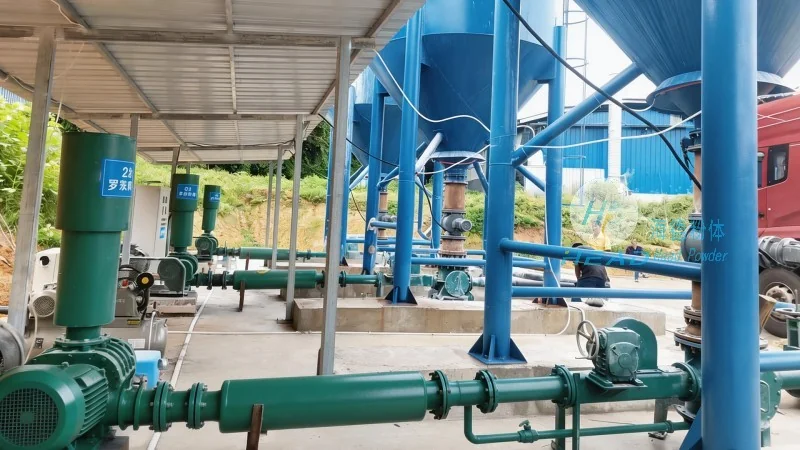
Technical Considerations for Effective Dust Ash Conveying
Successful implementation of pneumatic conveying for dust ash requires careful consideration of several technical factors. The first is the selection of the appropriate conveying system type, which depends on the distance, volume, and material characteristics. For short distances and moderate volumes, a pressure system may suffice, while longer distances or higher volumes may require a combination of pressure and vacuum stages. The pipeline diameter and material of construction are also critical. Larger diameters reduce pressure drop and improve flow, but increase cost. Materials like stainless steel or special alloys are often used to resist corrosion and abrasion from dust ash. The feeder design is another key factor, as it must handle the material's flow properties without causing blockages or uneven distribution. Proper air flow management is essential to maintain consistent material transport and prevent system inefficiencies.
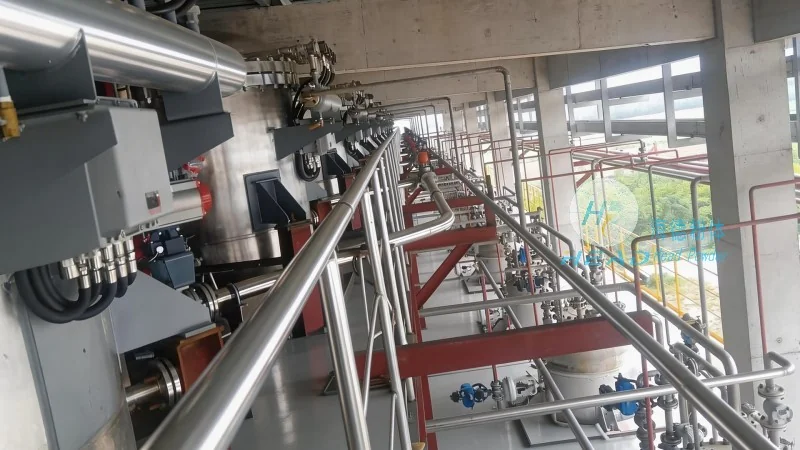
Case Studies: Real-World Applications
Shandong HeadPowder Engineering Co., Ltd. has successfully implemented pneumatic conveying systems for dust ash transportation in various industrial settings. For example, a power plant in China faced challenges with dust ash handling from its coal-fired boilers. By installing a pressure pneumatic conveying system, the plant was able to transport dust ash from the boiler to a storage facility without manual handling. The system reduced dust emissions by 90% and lowered labor costs by 40% compared to traditional methods. Another application involved a cement plant where dust ash was transported from a grinding mill to a clinker storage area. The vacuum pneumatic conveying system improved material flow and reduced downtime due to blockages. These case studies demonstrate the effectiveness of pneumatic conveying in optimizing dust ash transport processes and enhancing operational efficiency.
Conclusion: The Future of Dust Ash Transportation
As industrial processes continue to generate dust ash, the importance of efficient and sustainable transportation methods becomes increasingly critical. Pneumatic conveying, with its closed system, flexibility, and ability to handle abrasive materials, remains a top choice for many industries. Shandong HeadPowder Engineering Co., Ltd. remains committed to developing advanced pneumatic conveying solutions that meet the evolving needs of its clients. By leveraging innovative technology and industry expertise, the company continues to provide reliable and efficient dust ash transportation systems that enhance operational performance and environmental compliance.