

The Role of Pneumatic Conveying in Magnesium Sulfate Transportation
When it comes to transporting bulk materials like magnesium sulfate, selecting the right conveying system is crucial for efficiency, safety, and cost-effectiveness. Pneumatic conveying has emerged as a reliable solution, offering advantages over traditional methods such as belt conveyors or screw conveyors. This article explores how pneumatic conveying systems are specifically applied in the transportation of magnesium sulfate, highlighting their benefits and practical applications.
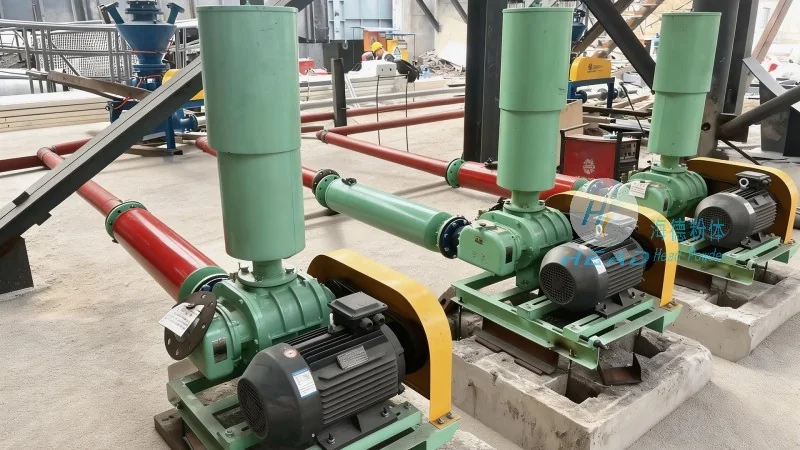
About HeadPowder Engineering Co., Ltd.
HeadPowder, a leading manufacturer in the field of bulk material handling, specializes in designing and supplying advanced pneumatic conveying solutions. With a strong commitment to quality and innovation, the company has established itself as a trusted partner for industries dealing with various bulk materials, including chemicals, minerals, and food products. HeadPowder's expertise lies in creating customized conveying systems that meet the unique requirements of each client, ensuring optimal performance and reliability.
Pneumatic Conveying Systems for Magnesium Sulfate
Pneumatic conveying involves the transport of bulk materials through a pipeline using air or other gases. In the case of magnesium sulfate, which is often handled in powdered or granular form, pneumatic systems provide an efficient and safe method for moving the material from the storage area to processing units or packaging facilities. The process typically involves a hopper, a rotary valve, and a conveying line, with air being used to create a flow of the material through the system.
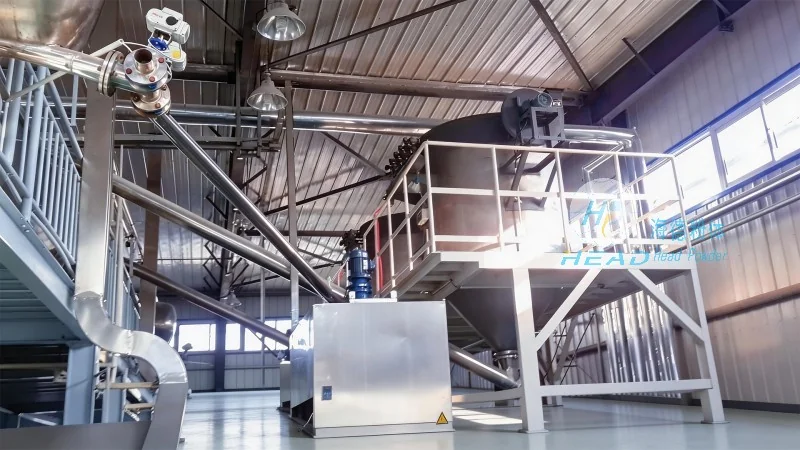
One of the key advantages of pneumatic conveying for magnesium sulfate is its ability to handle fine powders without the risk of clogging or degradation. Unlike mechanical conveyors, which can cause particle breakage or segregation, pneumatic systems maintain the integrity of the material, ensuring consistent quality. This is particularly important for magnesium sulfate, which is used in various applications such as pharmaceuticals, agriculture, and industrial processes, where purity and uniformity are critical.
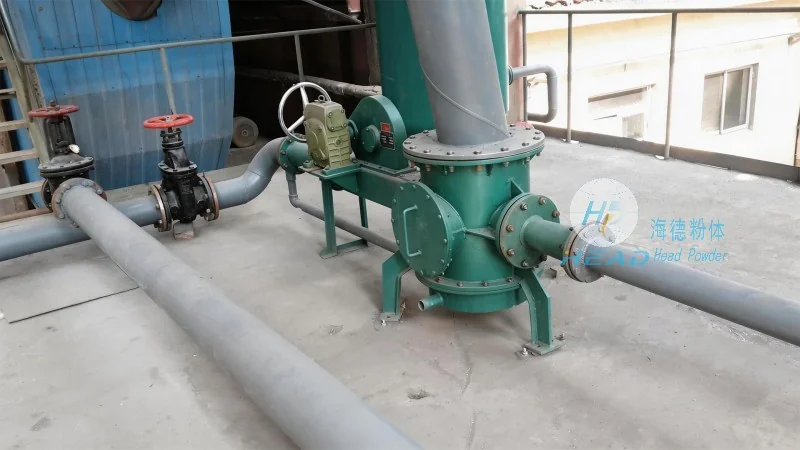
Key Features and Benefits of Pneumatic Conveying for Magnesium Sulfate
HeadPowder's pneumatic conveying systems for magnesium sulfate are designed with several key features that enhance performance and reliability. These include:
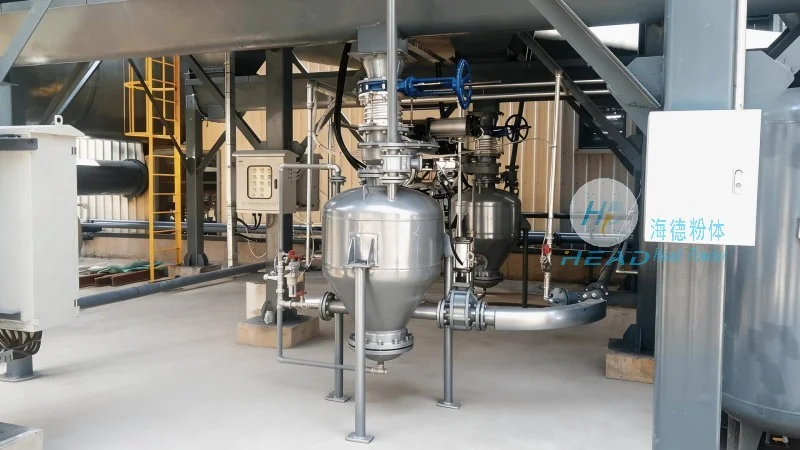
- High Efficiency and Capacity: The systems can handle large volumes of magnesium sulfate at high speeds, reducing overall transportation time and increasing productivity.
- Low Maintenance and Longevity: Pneumatic systems have fewer moving parts compared to mechanical conveyors, resulting in lower maintenance costs and longer service life.
- Safe and Clean Operation: The enclosed pipeline design prevents dust emissions and contamination, ensuring a safe working environment and compliance with environmental regulations.
- Customizable Solutions: HeadPowder offers tailored designs that can accommodate different particle sizes, flow rates, and system configurations, ensuring optimal performance for each application.
Applications of Pneumatic Conveying in Magnesium Sulfate Handling
Pneumatic conveying is widely used in various stages of magnesium sulfate processing and handling. Some common applications include:
- From Storage to Processing: Magnesium sulfate is often stored in silos or hoppers. Pneumatic systems can efficiently transfer the material from these storage units to the reaction or mixing tanks in the production process.
- Between Processing Stages: In multi-stage production lines, pneumatic conveying can move the material from one processing unit to another, such as from a drying unit to a packaging unit.
- For Packaging and Distribution: After processing, magnesium sulfate is typically packaged into bags or containers. Pneumatic systems can transport the material directly to the packaging line, ensuring a smooth and continuous operation.
Address and Contact Information
HeadPowder Engineering Co., Ltd. is located in Shandong, China. The company's headquarters is situated in a strategic location that allows for easy access to major transportation networks, facilitating the delivery of equipment and services to clients across the region and beyond.