

Role of Pneumatic Conveying in Carbon Fiber Handling
For industries dealing with carbon fiber, efficient and reliable material handling is crucial to maintaining production efficiency and product quality. Pneumatic conveying systems have emerged as a critical technology in this domain, offering innovative solutions for the transportation of carbon fiber materials. This article explores the role of pneumatic conveying in carbon fiber handling, highlighting its benefits, applications, and the expertise of Shandong HeadPowder Engineering Co., Ltd. in providing tailored solutions for this specialized industry.
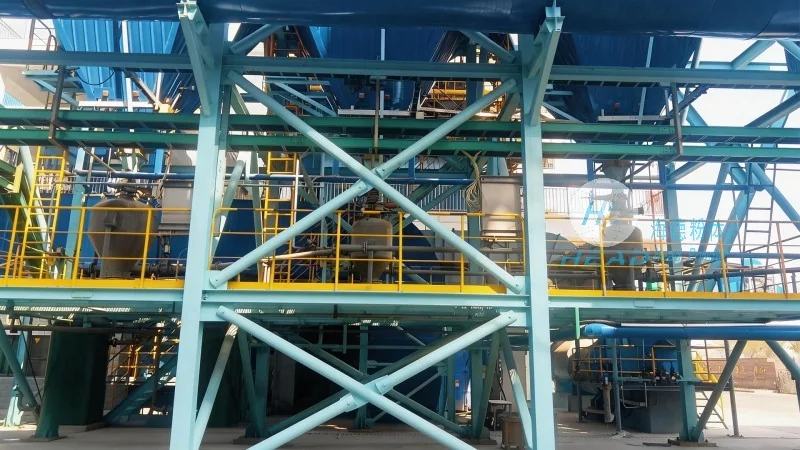
Introduction to Pneumatic Conveying in Carbon Fiber Handling
Pneumatic conveying, also known as air conveying, is a method of transporting bulk materials through a pipeline using compressed air or other gas. In the context of carbon fiber, this technology addresses the unique challenges posed by these lightweight, high-strength fibers, which are often delicate and prone to static charge. Traditional methods like belt conveyors or bucket elevators may not be suitable due to the risk of fiber breakage, contamination, or static buildup. Pneumatic conveying systems provide a more controlled environment, ensuring that carbon fiber is moved safely and efficiently from one point to another.
Company Overview: Shandong HeadPowder Engineering Co., Ltd.
Shandong HeadPowder Engineering Co., Ltd., commonly known as HeadPowder, is a leading provider of pneumatic conveying solutions. With operations based in Shandong, China, the company specializes in designing, manufacturing, and installing customized air conveying systems for various industries, including those that handle carbon fiber. HeadPowder’s expertise lies in understanding the specific requirements of carbon fiber handling, such as maintaining fiber integrity, controlling dust, and ensuring minimal contamination. The company’s team of engineers and technicians work closely with clients to develop solutions that meet their unique production needs.
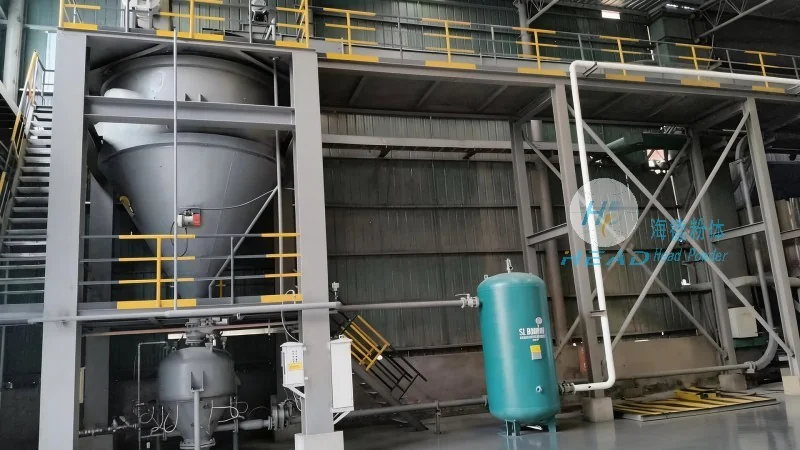
Key Features of Pneumatic Conveying for Carbon Fiber
Pneumatic conveying systems for carbon fiber offer several key advantages that make them ideal for this application. First, they provide a clean and dust-free environment, which is essential for maintaining the purity of carbon fiber, especially in applications where the fibers are used in high-performance composites. Second, these systems can handle a wide range of carbon fiber types, from short fibers to continuous filaments, with minimal damage. The use of positive pressure or negative pressure systems allows for flexible design, adapting to different production layouts and material flow requirements. Additionally, pneumatic conveying is energy-efficient compared to other bulk material handling methods, reducing operational costs while increasing throughput.
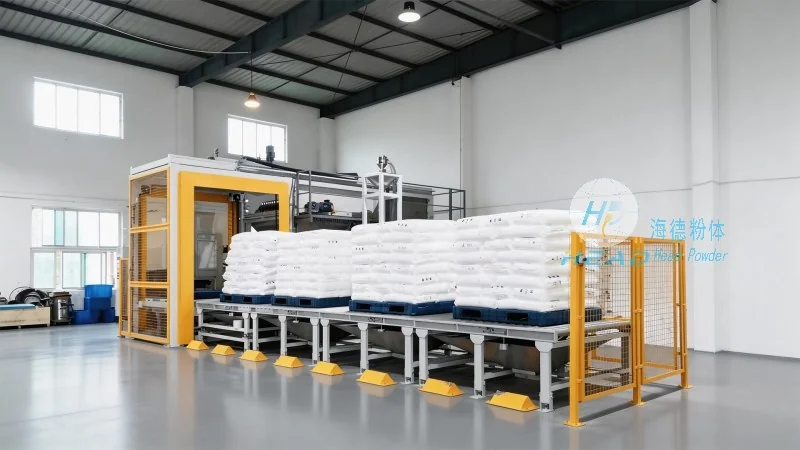
Applications and Benefits in Carbon Fiber Production
In carbon fiber production, pneumatic conveying is used in multiple stages, from the initial handling of raw materials to the final packaging of finished products. For example, in the raw material stage, carbon fiber pellets or powders are transported from storage silos to processing equipment. During the manufacturing process, intermediate products like preforms or tows may be moved between different production lines. At the end of the production cycle, finished carbon fiber products are conveyed to storage or shipping areas. The benefits of using pneumatic conveying in these applications include reduced labor costs, improved safety by eliminating manual handling of fibers, and enhanced product consistency due to the controlled environment.
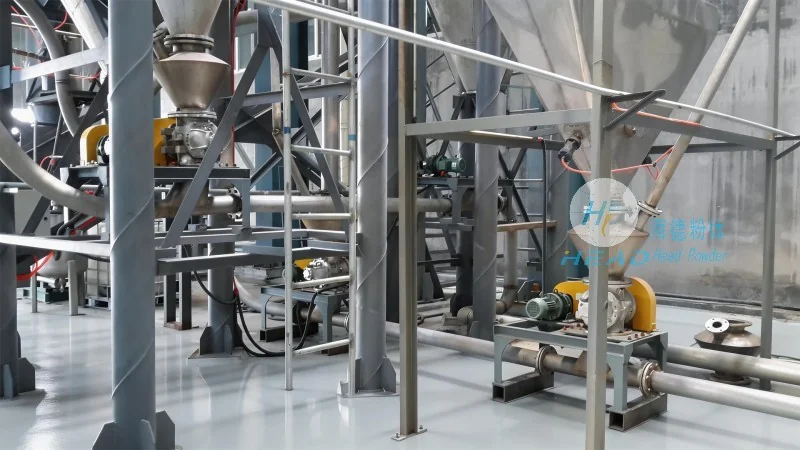
Technical Advantages and Customization Options
HeadPowder’s pneumatic conveying systems are designed with a focus on technical excellence and customization. The company offers both positive and negative pressure conveying options, allowing clients to choose the most suitable method based on their specific needs. Positive pressure systems are ideal for long-distance or high-capacity transport, while negative pressure systems are better suited for short distances or applications where dust control is paramount. Customization is a key strength of HeadPowder, as the company works with clients to integrate conveying systems with existing production lines, ensuring seamless operation. This includes the selection of appropriate pipeline materials, such as stainless steel or plastic, to prevent fiber contamination, and the implementation of filtration systems to maintain air quality.
Conclusion: Enhancing Efficiency in Carbon Fiber Handling
As the demand for carbon fiber continues to grow in industries like aerospace, automotive, and sports equipment, the importance of efficient material handling cannot be overstated. Pneumatic conveying systems, particularly those designed and manufactured by Shandong HeadPowder Engineering Co., Ltd., play a vital role in meeting these demands. By leveraging advanced technology and tailored solutions, HeadPowder helps carbon fiber manufacturers improve production efficiency, maintain product quality, and reduce operational costs. The company’s commitment to innovation and customer satisfaction ensures that its pneumatic conveying systems remain at the forefront of carbon fiber handling technology, supporting the growth and success of its clients.