

What is Wood Chip Pneumatic Conveying, Classification and Applications of Pneumatic Conveying
Wood chip pneumatic conveying is a technology used to transport wood chips through a pipeline using air as the conveying medium. This method is widely adopted in the wood processing industry due to its efficiency and flexibility in handling bulk materials. The process involves generating a flow of air within a sealed system, which then carries the wood chips from the source to the destination. Understanding the principles and applications of this technology is crucial for optimizing material handling in wood processing facilities, as exemplified by the solutions provided by Shandong HeadPowder Engineering Co., Ltd., a leading provider of material handling systems in China.
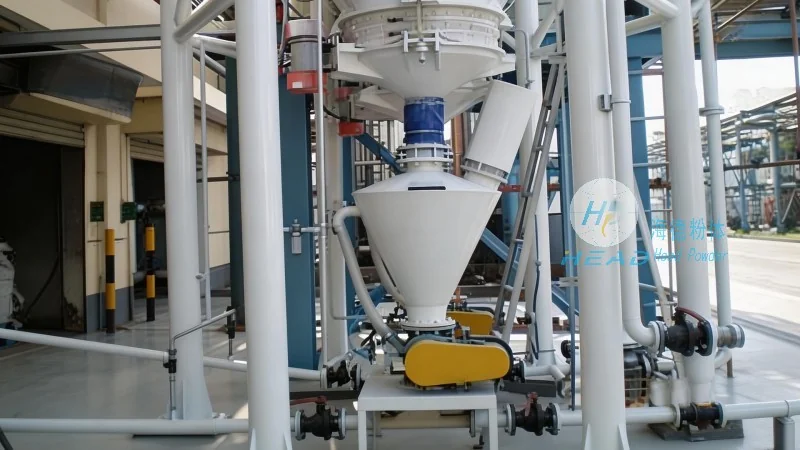
Classification of Pneumatic Conveying Systems
Pneumatic conveying systems are typically classified based on the pressure used to move the material. The main categories include low-pressure, medium-pressure, and high-pressure systems. Low-pressure systems operate at pressures below atmospheric, often using fans to create a slight vacuum or pressure differential. Medium-pressure systems use higher pressures, typically up to 0.5 bar, and are suitable for longer distances and larger particle sizes. High-pressure systems operate at pressures above 0.5 bar, providing greater force for conveying materials over longer distances or through more complex pipelines. Each type has its own advantages and is selected based on the specific requirements of the application.
Applications of Wood Chip Pneumatic Conveying
The applications of wood chip pneumatic conveying span various stages of the wood processing industry. In sawmills, it is used to transport wood chips from the debarking and chipping stages to the drying or pelletizing units. In biomass power plants, it is employed to deliver wood chips to the combustion chambers, ensuring a consistent and efficient fuel supply. Additionally, in the production of wood pellets, pneumatic conveying is essential for transporting the raw wood chips to the pellet mill, where they are compressed into pellets. The technology also finds use in recycling facilities, where it helps in the recovery and transport of wood waste for further processing.
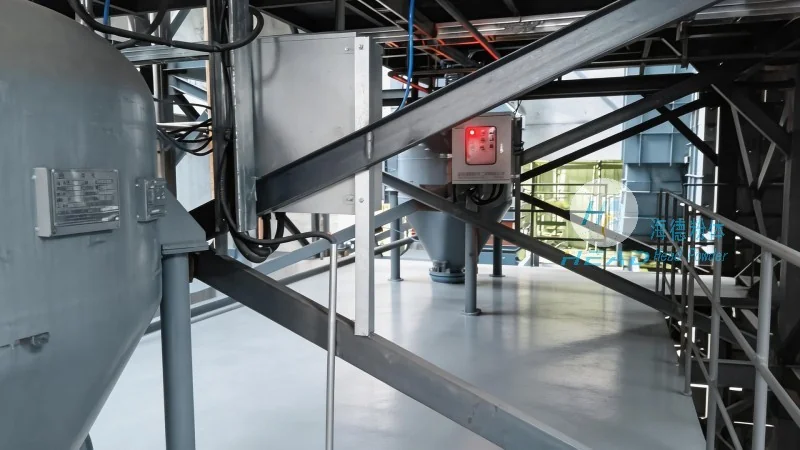
Key Factors in Designing Pneumatic Conveying Systems for Wood Chips
Designing an effective pneumatic conveying system for wood chips requires careful consideration of several factors. The first is the particle size and moisture content of the wood chips, as these affect the air velocity and pressure needed for reliable transport. The second is the distance and layout of the conveying pipeline, which determines the type of system (e.g., dilute-phase or dense-phase) to be used. Dilute-phase systems are suitable for short distances and low material loads, while dense-phase systems are better for longer distances and higher material loads. The third factor is the system's capacity, which must match the production rate of the wood processing facility. Proper sizing of the air compressor and pipeline diameter is critical to ensure smooth operation and prevent blockages or material degradation.
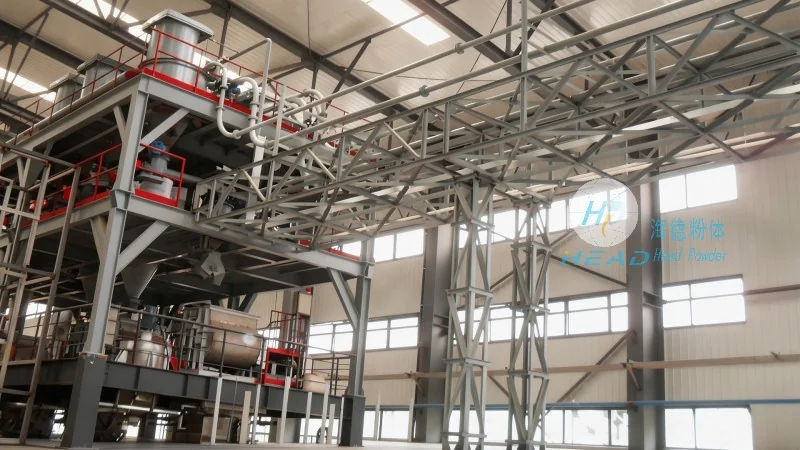
Advantages of Using Pneumatic Conveying for Wood Chips
There are several advantages to using pneumatic conveying for wood chips. One of the primary benefits is the ability to handle bulk materials without the need for mechanical components like conveyors or elevators, which can be prone to wear and maintenance issues. This reduces downtime and maintenance costs. Another advantage is the enclosed system, which minimizes dust and debris release into the environment, improving workplace safety and compliance with environmental regulations. Pneumatic conveying also allows for flexible system layouts, as the pipeline can be routed around obstacles or through different levels of a facility. This flexibility is particularly valuable in retrofitting existing wood processing plants or in new construction projects.
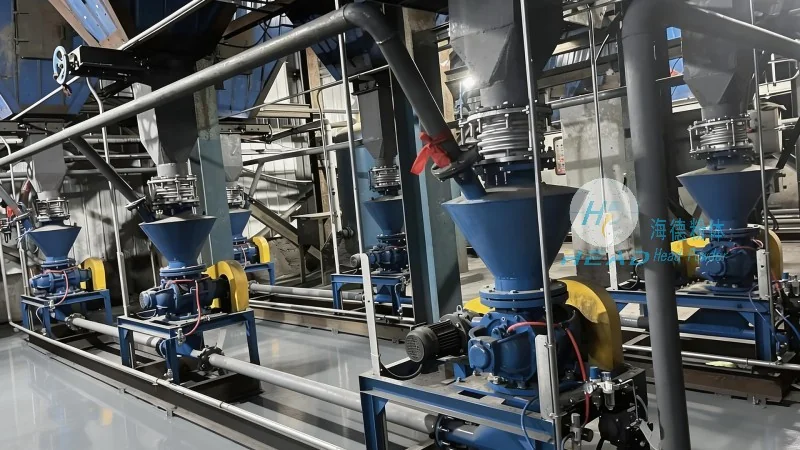
Challenges and Solutions in Wood Chip Pneumatic Conveying
Despite its benefits, wood chip pneumatic conveying also presents some challenges. One common issue is blockage of the pipeline, which can occur due to the agglomeration of wet or fine wood chips. To mitigate this, systems often include features such as in-line mixers or air knives to break up clumps and maintain a consistent flow. Another challenge is the wear and corrosion of the pipeline and components due to the abrasive nature of wood chips. Using high-quality materials, such as stainless steel or special coatings, can help extend the lifespan of the system. Additionally, energy consumption is a consideration, as pneumatic systems require significant power from the air compressor. Optimizing the system design, such as using efficient fans and compressors, can help reduce energy costs while maintaining performance.
Conclusion
Wood chip pneumatic conveying is a vital technology in the wood processing industry, offering efficient and flexible solutions for material handling. By understanding the classification of pneumatic systems and the key factors in their design, wood processing facilities can select the most appropriate system for their needs. The advantages of enclosed transport, reduced maintenance, and environmental benefits make pneumatic conveying a preferred choice for many applications. As the demand for wood products continues to grow, the importance of efficient material handling systems like pneumatic conveying will only increase, ensuring the sustainability and productivity of the wood processing sector.