

What is Activated Carbon Pneumatic Conveying? Classification and Applications of Pneumatic Conveying
Activated carbon, a critical material in various industrial processes, often requires efficient and reliable handling methods. Pneumatic conveying stands out as a versatile solution for transporting activated carbon, offering advantages such as dust-free operation, minimal product degradation, and the ability to handle fine powders. This article explores the concept of activated carbon pneumatic conveying, delves into the different classifications of pneumatic conveying systems, and highlights their practical applications in industrial settings.
Understanding Activated Carbon Pneumatic Conveying
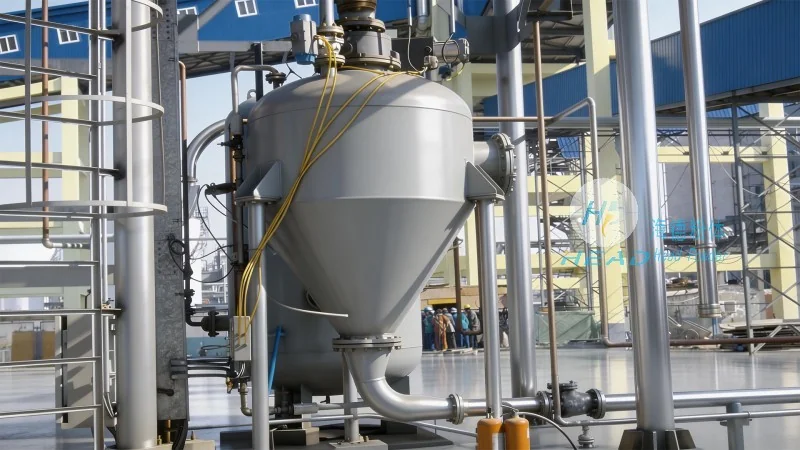
Activated carbon, also known as activated charcoal, is a highly porous carbon material produced through a process of carbonization and activation. It is widely used in applications like air and water purification, chemical adsorption, and as a catalyst in various reactions. The transportation of activated carbon, especially in its powder form, demands specialized equipment to ensure safety, efficiency, and product integrity. Pneumatic conveying systems utilize air or other gases to move the material through a pipeline, eliminating the need for mechanical components that might cause contamination or damage to the delicate carbon particles.
Classification of Pneumatic Conveying Systems
Pneumatic conveying systems are categorized based on the pressure differential between the conveying line and the ambient environment. The primary types include positive pressure, negative pressure, and mixed pressure systems. Each type has distinct characteristics and is suited for different operational requirements.
Positive Pressure Systems
Positive pressure systems operate by blowing air or gas into the conveying line, creating a pressure higher than the ambient air. This method is effective for transporting materials over long distances and through multiple bends. The high pressure ensures that the material is continuously propelled forward, reducing the risk of clogging. Positive pressure systems are commonly used in applications where the material is sensitive to moisture or where high flow rates are required.
Negative Pressure Systems
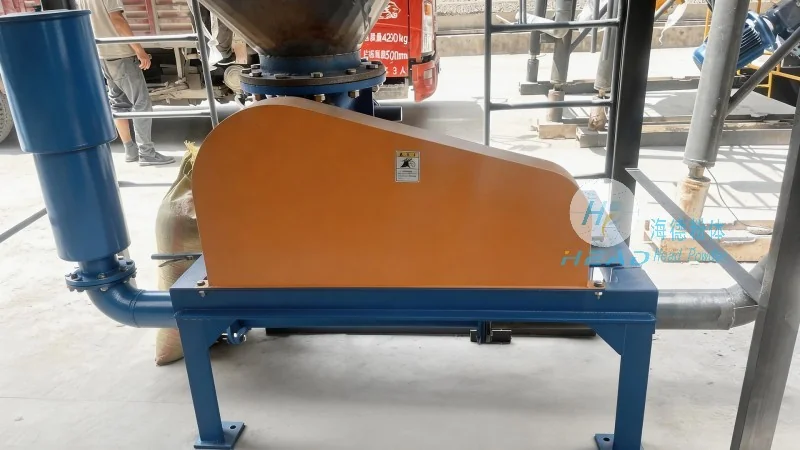
Negative pressure systems, also known as vacuum systems, operate by creating a vacuum in the conveying line, drawing the material from the source into the system. This approach is ideal for applications where the material needs to be collected from multiple points or where the material is light and prone to being carried away by air currents. Negative pressure systems are often used in environments where dust control is critical, as they minimize the release of particles into the air.
Mixed Pressure Systems
Mixed pressure systems combine elements of both positive and negative pressure. They typically use a vacuum to draw the material from the source and then apply a positive pressure boost to ensure efficient transport through the pipeline. This hybrid approach offers flexibility and can be adapted to various operational conditions, making it suitable for a wide range of applications.
Applications of Pneumatic Conveying in Activated Carbon Handling
The versatility of pneumatic conveying makes it an ideal choice for handling activated carbon in various industrial processes. Some key applications include:
Industrial Air and Water Purification
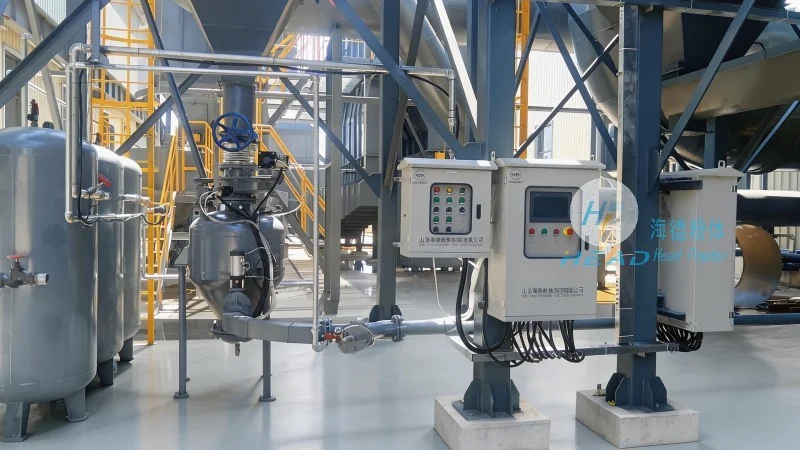
In air and water purification plants, activated carbon is used to remove impurities and contaminants. Pneumatic conveying systems efficiently transport the activated carbon from storage silos to the purification units, ensuring a consistent supply of material. This method maintains the carbon's adsorption properties by minimizing exposure to air and moisture during transport.
Chemical and Pharmaceutical Manufacturing
Activated carbon plays a crucial role in chemical and pharmaceutical manufacturing, where it is used as an adsorbent or catalyst. Pneumatic conveying systems enable the safe and efficient transfer of activated carbon to reactors and processing equipment. The systems are designed to handle fine powders without causing agglomeration or loss of product quality.
Food and Beverage Industry
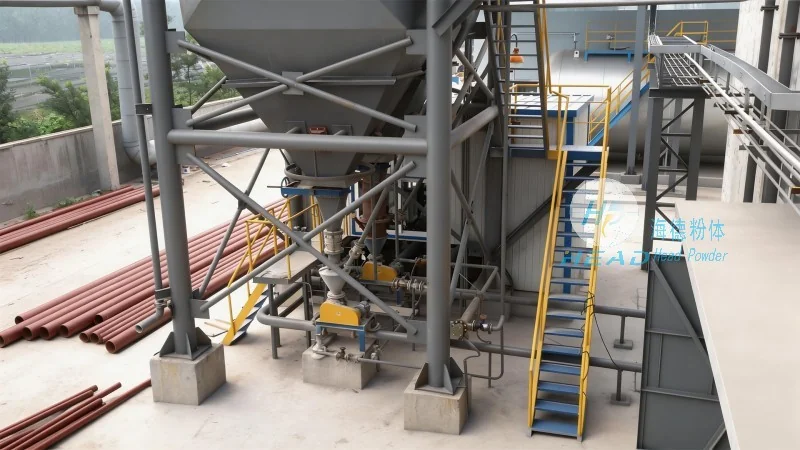
Activated carbon is also utilized in the food and beverage industry for deodorization, decolorization, and filtration processes. Pneumatic conveying systems are employed to transport the carbon from storage to processing lines, maintaining hygiene and preventing contamination. The systems are often equipped with features such as dust collection and filtration to ensure compliance with industry standards.
Environmental Remediation
For environmental remediation projects, activated carbon is used to treat contaminated soil and water. Pneumatic conveying systems facilitate the transport of activated carbon to the treatment sites, ensuring that the material is applied efficiently and effectively. This method helps in reducing the environmental impact and improving the quality of remediated areas.
Company Information: Shandong HeadPowder Engineering Co., Ltd.
Shandong HeadPowder Engineering Co., Ltd., a leading provider of industrial conveying solutions, specializes in designing and manufacturing advanced pneumatic conveying systems tailored to the needs of activated carbon handling. With a focus on innovation and quality, the company offers customized solutions that enhance operational efficiency and product safety. HeadPowder's expertise in material handling technology ensures that clients receive reliable and durable equipment that meets industry standards. The company's facilities are located in Shandong, China, where it leverages local resources and expertise to deliver high-quality products and services to global markets.