

Classification and Application Analysis of Pneumatic Conveying Systems for Metal Particles
HeadPowder, a leading manufacturer based in Shandong, China, specializes in the design, development, and implementation of advanced pneumatic conveying systems tailored for metal particle handling. This article provides a comprehensive overview of the classification of these systems and their practical applications, highlighting the technical advancements and operational efficiencies that define modern metal particle transport solutions.
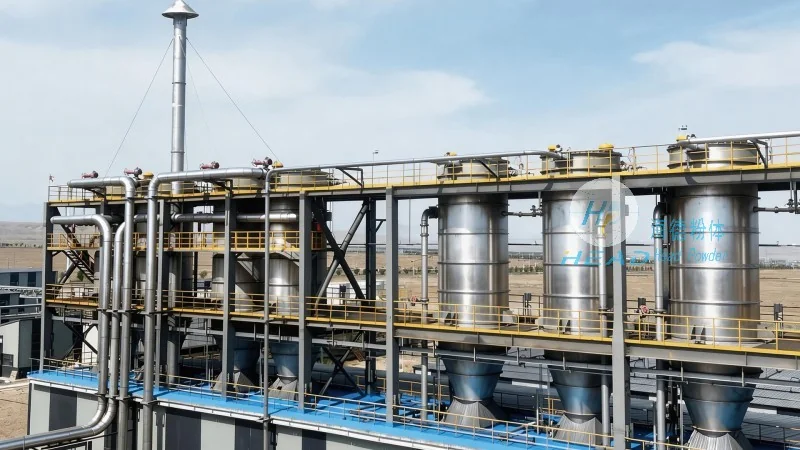
Classification of Pneumatic Conveying Systems for Metal Particles
Pneumatic conveying systems for metal particles are categorized based on several key factors, including the method of air flow, particle size, and the required conveying distance. The primary classifications include:
- Positive Pressure Systems: These systems use compressed air to push the material through a pipeline. They are ideal for short to medium distances and are commonly used in applications where the material is non-abrasive and requires gentle handling.
- Negative Pressure (Vacuum) Systems: In this configuration, a vacuum is created at the receiving end to draw the material into the system. This approach is suitable for longer distances and is often employed when the material needs to be transported from multiple sources to a central collection point.
- Combined Pressure-Vacuum Systems: These systems integrate both positive and negative pressure elements, offering flexibility in handling materials with varying properties and conveying requirements. They are particularly useful for complex layouts and multi-stage transport processes.
Each classification is designed to address specific operational challenges, such as material abrasiveness, dust generation, and the need for precise control over particle flow. The choice of system type depends on factors like the type of metal particles (e.g., aluminum, steel, copper), their size distribution, and the overall process flow requirements.
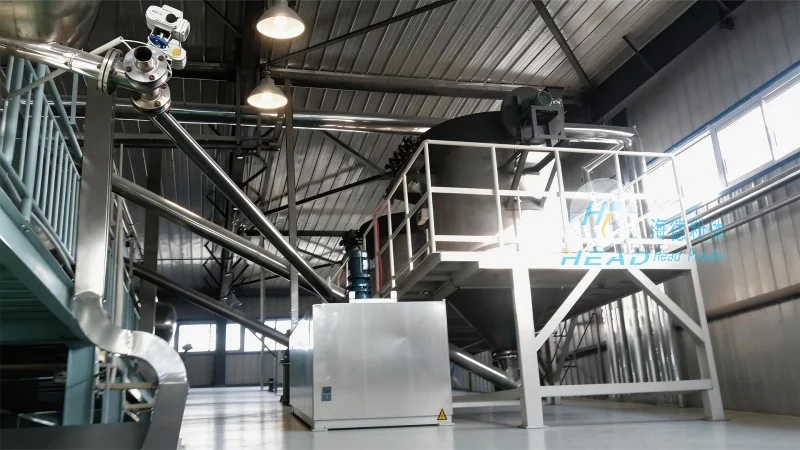
Key Components and Operational Principles
All pneumatic conveying systems for metal particles consist of several core components, including a material feed hopper, an air supply unit (compressor or vacuum pump), a conveying pipeline, and a receiving hopper or silo. The material is typically fed into the system via a rotary valve or a screw feeder, ensuring a controlled and consistent flow.
The air supply unit generates the necessary pressure or vacuum to move the particles through the pipeline. The conveying pipeline is usually made of corrosion-resistant materials like stainless steel or polyethylene to withstand the abrasive nature of metal particles and prevent material buildup. The receiving hopper is equipped with a discharge valve to control the release of the material into downstream processes.
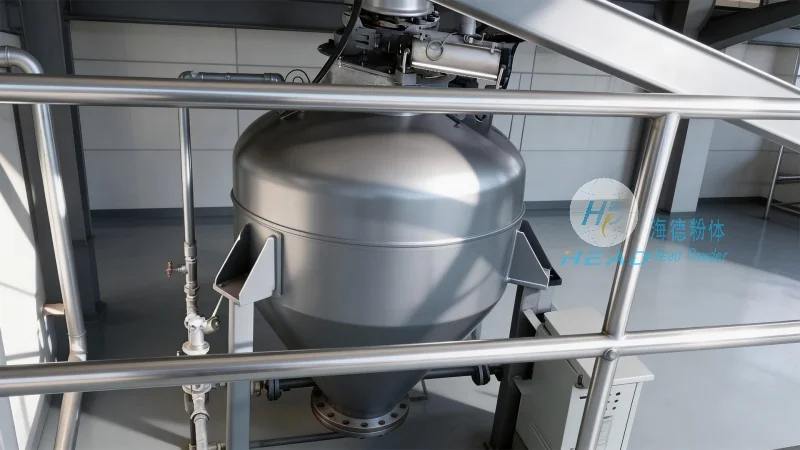
The operational principle involves creating a flow of air that entrains the metal particles, forming a dense phase or dilute phase stream depending on the system design. Dense phase systems use higher air velocities to maintain a more compact particle flow, reducing wear on the pipeline and minimizing dust emissions. Dilute phase systems, on the other hand, rely on lower air velocities and are suitable for shorter distances and less abrasive materials.
Applications in Metal Processing Industries
Pneumatic conveying systems for metal particles find extensive applications across various metal processing industries, including:
- Aluminum and Aluminum Alloy Production: These systems are crucial for transporting aluminum powders, flakes, and granules between processing stages, such as from grinding and classification to casting and extrusion. The gentle handling provided by pneumatic conveying minimizes particle degradation and ensures consistent material quality.
- Steel and Iron Processing: In steel mills, pneumatic conveying is used to transport steel scrap, fines, and powders for recycling and reprocessing. The systems help in maintaining a clean and efficient workflow, reducing the need for manual handling and associated safety risks.
- Copper and Precious Metal Handling: For copper and other precious metal powders, pneumatic conveying systems ensure precise and contamination-free transport. This is particularly important in applications like electroplating and metal refining, where even minor impurities can affect product quality.
- Metal Powder Manufacturing: In the production of metal powders, pneumatic conveying is used to move raw materials (e.g., iron, nickel, titanium) and finished powders between grinding, classification, and packaging stages. The systems enhance productivity by automating the material transport process and reducing downtime.
HeadPowder's expertise in designing customized pneumatic conveying systems has enabled the company to address the unique challenges of each application, ensuring optimal performance and reliability. By leveraging advanced materials and control technologies, their systems provide consistent particle flow, minimal wear, and low maintenance requirements.
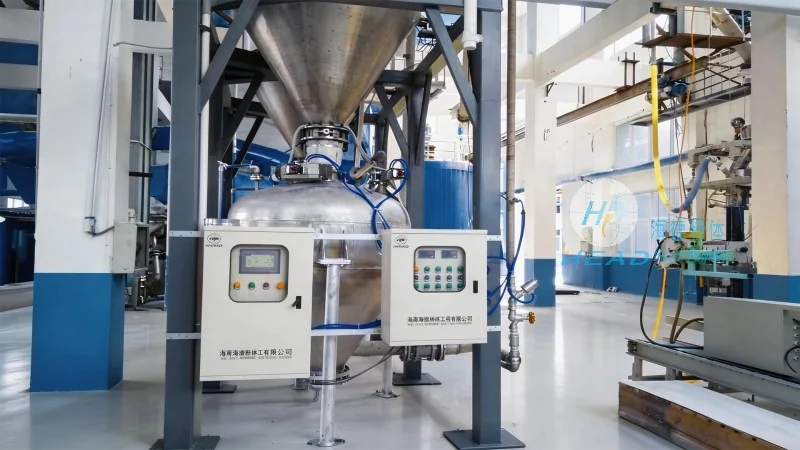
Advantages and Considerations in Metal Particle Conveying
Implementing pneumatic conveying systems for metal particles offers several advantages, including:
- Efficient Material Handling: Pneumatic systems enable continuous and automated transport of metal particles, reducing labor costs and improving overall production efficiency.
- Reduced Downtime: By minimizing the need for manual handling and material transfer, these systems reduce the risk of equipment breakdowns and process interruptions.
- Improved Product Quality: Gentle handling and controlled flow prevent particle degradation, ensuring consistent material properties and quality in downstream processes.
- Space Efficiency: Pneumatic conveying systems can be installed in compact spaces, making them suitable for facilities with limited floor area.
However, there are also considerations to keep in mind, such as the need for proper system maintenance to prevent wear and tear, and the importance of selecting the appropriate system type based on the specific material characteristics and operational requirements. HeadPowder provides comprehensive support, including system design, installation, and after-sales service, to ensure that clients achieve the best possible results.