

Main Structures of Rapeseed Pneumatic Conveying Systems
Shandong HeadPowder Engineering Co., Ltd., a leading manufacturer based in Shandong, China, specializes in the design and production of advanced pneumatic conveying systems tailored for agricultural applications, particularly the efficient handling of rapeseed. These systems are engineered to meet the unique challenges of transporting rapeseed, ensuring minimal product damage, high efficiency, and reliable operation in agricultural processing and storage facilities.

Key Structural Components of Pneumatic Conveying Systems
The core of any pneumatic conveying system for rapeseed is a series of interconnected components that work in harmony to move material from the source to the destination. The primary structures include the feed hopper, which is designed to store and regulate the flow of rapeseed into the system. This component often features a hopper with a conical bottom and a variable-speed feeder to control the discharge rate, preventing overloading and ensuring a consistent feed to the conveying line.
Next, the conveying line itself, typically made of stainless steel or other corrosion-resistant materials, is crucial for maintaining the quality of the rapeseed. The line is equipped with appropriate bends and elbows to navigate the path from the feed hopper to the discharge point, with smooth transitions to minimize friction and particle impact. For systems handling large volumes, the use of flexible hoses or rigid pipes with proper support structures is essential to prevent sagging and maintain consistent air pressure.
At the receiving end, the discharge hopper or silo is another critical structure. It is designed to collect the rapeseed from the conveying line and store it until further processing or transport. The hopper may include a level indicator and a discharge valve to control the outflow, ensuring that the material is released at a controlled rate without causing blockages or spillage. In some designs, a dust collection system is integrated with the discharge hopper to capture any airborne particles, improving air quality and preventing product loss.
Control and Monitoring Structures
Modern pneumatic conveying systems for rapeseed often incorporate advanced control and monitoring structures to enhance operational efficiency and safety. The control panel, typically located near the feed hopper or main power source, houses the system's control system, including the air compressor, variable frequency drives (VFDs), and sensors. These components allow operators to adjust the air pressure, flow rate, and feed speed in real-time, adapting to changes in material volume or system conditions.
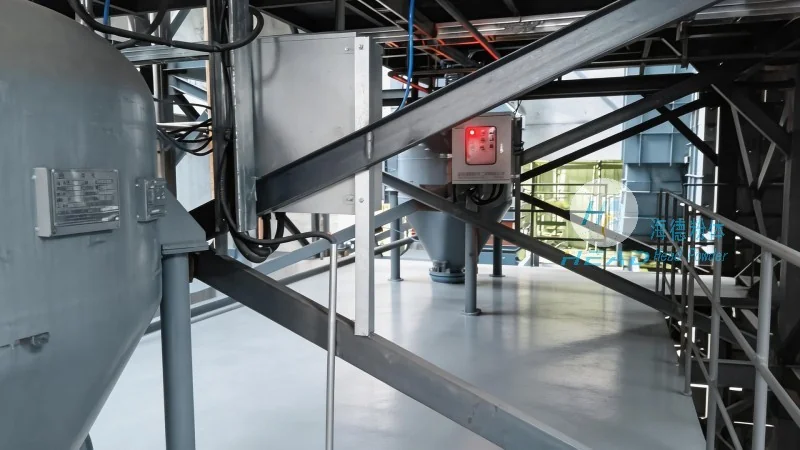
Sensors are strategically placed throughout the system to monitor key parameters such as pressure, temperature, and material level. Pressure sensors in the conveying line detect any blockages or pressure drops, triggering alarms or automatic shutdowns to prevent system damage. Temperature sensors are used to monitor the air temperature, ensuring it remains within safe operating limits to avoid overheating or product degradation. Material level sensors in the feed and discharge hoppers provide feedback to the control system, allowing for automatic adjustment of the feed rate to maintain consistent operation.
The integration of these control and monitoring structures not only improves the reliability of the system but also reduces the need for manual intervention, minimizing labor costs and potential human error. This advanced approach is particularly beneficial in large-scale agricultural operations where consistent and efficient material handling is critical.
Material Handling and Safety Structures
For rapeseed pneumatic conveying systems, safety and material integrity are paramount. The design incorporates several safety structures to protect both the equipment and the product. One key safety feature is the use of explosion-proof components, especially in areas where there may be a risk of dust accumulation or ignition sources. This includes the air compressor, motor, and control panel, which are all rated for hazardous environments to prevent accidental explosions.
Another important safety structure is the dust suppression system, which is integrated with the conveying line and hoppers. This system uses a combination of air filtration and moisture control to reduce the amount of dust generated during the conveying process. By capturing and filtering the air, it not only improves air quality but also prevents dust from accumulating on surfaces, reducing the risk of fire or health hazards. Additionally, the system may include a vacuum or pressure relief valve to prevent over-pressurization or over-vacuuming, which could damage the equipment or cause accidents.
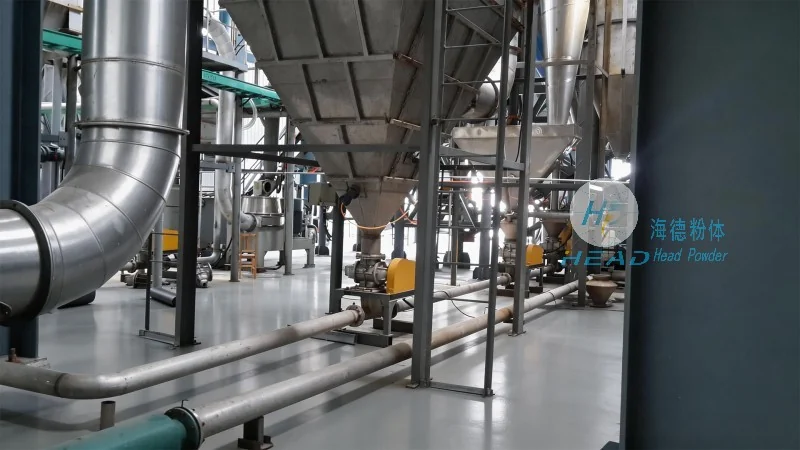
Material handling structures are also designed to minimize product damage. The feed hopper and conveying line are constructed with smooth, rounded surfaces to prevent abrasion or impact on the rapeseed. The use of low-speed, high-volume air flow in the conveying system reduces the risk of bruising or cracking the seeds, which can affect their quality and market value. Furthermore, the discharge hopper is equipped with a gentle discharge mechanism, such as a rotary valve or a slide gate, to ensure that the rapeseed is released without excessive force or impact.
Customization and Application Considerations
Shandong HeadPowder Engineering Co., Ltd. understands that each agricultural operation has unique requirements, and therefore, offers customized pneumatic conveying systems tailored to specific needs. The company's engineers work closely with clients to assess their material handling needs, including the volume of rapeseed to be transported, the distance between the feed and discharge points, and any specific operational constraints. Based on this assessment, they design a system that incorporates the appropriate structural components, such as the type of conveying line, the size of the hoppers, and the control system features.
For example, in a small-scale farm setting, a simple pneumatic conveying system with a short conveying line and basic control features may be sufficient. However, for a large-scale processing facility, a more complex system with multiple conveying lines, automated controls, and integrated dust collection may be required. The company's customization approach ensures that the final system is optimized for the specific application, maximizing efficiency and minimizing costs.
Additionally, the company considers the environmental and operational factors when designing the system. For instance, in regions with high humidity or temperature variations, the system may include additional heating or cooling elements to maintain optimal conditions for the rapeseed. In areas with strict environmental regulations, the dust suppression system may be enhanced to meet specific emission standards. These considerations ensure that the system not only performs well but also complies with local regulations and contributes to sustainable agricultural practices.