

Main Types of Calcined Ash Pneumatic Conveying Structures?
Calcined ash, a byproduct of industrial processes such as cement production and power generation, requires efficient and reliable transportation methods to ensure safe and effective handling. Pneumatic conveying systems have emerged as a critical solution for moving calcined ash from production sites to storage or processing facilities. These systems utilize air pressure to transport bulk materials, offering advantages like reduced dust exposure, lower maintenance costs, and improved operational flexibility. Understanding the main types of calcined ash pneumatic conveying structures is essential for selecting the most suitable system for specific industrial applications.
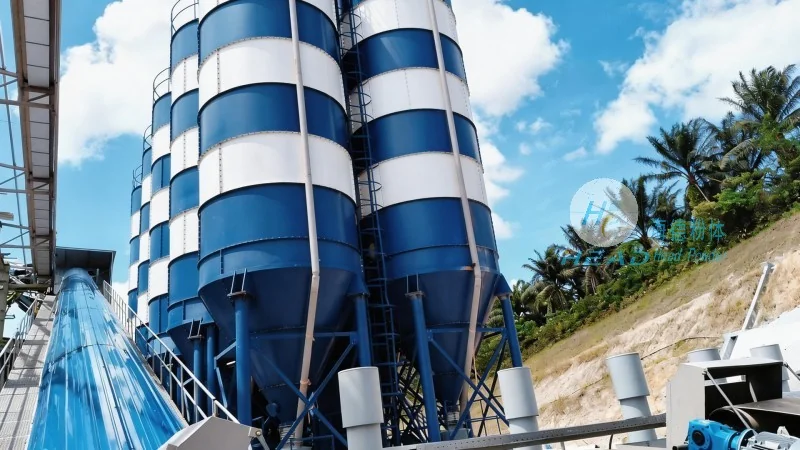
Key Components of Pneumatic Conveying Systems for Calcined Ash
All pneumatic conveying systems for calcined ash typically consist of several core components that work in tandem to achieve efficient material transport. The primary components include a material feed hopper, a conveying line (either flexible or rigid), a blower or fan to generate air flow, and a discharge hopper or silo. The material feed hopper is designed to store and meter the calcined ash, ensuring a consistent flow into the conveying line. The conveying line, often made of stainless steel or other corrosion-resistant materials, is crucial for maintaining material integrity and preventing blockages. The blower or fan provides the necessary air pressure and volume to move the ash through the system. Finally, the discharge hopper collects the transported ash, allowing for further processing or storage. Each component must be carefully selected and sized to match the specific characteristics of the calcined ash, including its particle size, moisture content, and bulk density.
Types of Pneumatic Conveying Structures for Calcined Ash
There are two main categories of pneumatic conveying systems used for calcined ash: positive pressure (or pressure) systems and negative pressure (or vacuum) systems. Each type has distinct advantages and is suitable for different operational requirements.

Positive Pressure Pneumatic Conveying Systems
Positive pressure systems operate by blowing air and material through the conveying line under pressure. These systems are commonly used for short to medium-distance transport and are particularly effective for handling abrasive or corrosive materials like calcined ash. The primary advantage of positive pressure systems is their ability to handle high material loads and maintain consistent flow rates. They are also less prone to blockages compared to negative pressure systems, as the positive pressure helps to keep the material moving through the line. A typical positive pressure system includes a blower at the discharge end, which forces air and ash through the conveying line to the feed hopper. The system is sealed to prevent dust emissions, and the air is often filtered and recirculated to maintain air quality. Positive pressure systems are often preferred for applications where the ash needs to be discharged into a storage silo or a processing unit, as they can deliver the material directly to the target location without the need for additional equipment.

Negative Pressure Pneumatic Conveying Systems
Negative pressure systems, also known as vacuum systems, operate by creating a vacuum in the conveying line to draw material from the feed hopper. These systems are ideal for long-distance transport and are commonly used in applications where the ash needs to be collected from multiple sources and transported to a central location. The primary advantage of negative pressure systems is their ability to handle large volumes of material over long distances with minimal pressure drops. They are also more energy-efficient for long-distance transport, as the vacuum is maintained by a smaller fan or blower. However, negative pressure systems are more susceptible to blockages and require more maintenance to prevent dust leakage. A typical negative pressure system includes a fan at the feed end, which creates a vacuum that draws the ash through the conveying line to the discharge hopper. The system is equipped with filters to capture any dust particles and prevent them from entering the environment. Negative pressure systems are often used in applications where the ash needs to be collected from a large area and transported to a processing facility, as they can efficiently gather material from multiple points.

Customized Pneumatic Conveying Solutions by Shandong HeadPowder Engineering Co., Ltd.
Shandong HeadPowder Engineering Co., Ltd., a leading provider of industrial engineering solutions, specializes in designing and manufacturing customized pneumatic conveying systems for calcined ash. With years of experience in the industry, the company understands the unique challenges associated with handling calcined ash and offers tailored solutions to meet specific operational needs. The company's team of engineers works closely with clients to assess their material characteristics, transport requirements, and site conditions to develop the most efficient and cost-effective system. Whether a positive pressure or negative pressure system is required, HeadPowder provides comprehensive design, manufacturing, and installation services. The company uses high-quality materials, such as stainless steel and corrosion-resistant alloys, to ensure the longevity and reliability of the systems. Additionally, HeadPowder offers maintenance and support services to ensure the systems operate at optimal performance levels. By choosing HeadPowder, clients can benefit from the company's expertise and experience, ensuring that their calcined ash pneumatic conveying system is designed to meet the highest standards of efficiency and safety.
Conclusion: Selecting the Right Pneumatic Conveying Structure for Calcined Ash
Selecting the appropriate pneumatic conveying structure for calcined ash is a critical decision that can significantly impact operational efficiency and safety. Positive pressure systems are ideal for short to medium-distance transport and high material loads, while negative pressure systems are better suited for long-distance transport and large volumes. The choice of system depends on factors such as the distance between the feed and discharge points, the material characteristics, and the operational requirements. It is essential to work with a reputable engineering company, such as Shandong HeadPowder Engineering Co., Ltd., to ensure that the system is designed and installed correctly. By understanding the main types of pneumatic conveying structures and their applications, industrial facilities can make informed decisions and select the most suitable system for their calcined ash handling needs. With the right system in place, facilities can improve material transport efficiency, reduce costs, and enhance overall operational performance.