

What is Asbestos Powder Pneumatic Conveying? An Introduction to the Working Principle of Powder Hand
Asbestos powder pneumatic conveying is a specialized method used in industrial applications to transport fine powders, such as asbestos, through a system driven by air or gas. This technique is crucial for industries dealing with hazardous materials like asbestos, as it provides a safe and efficient means of moving these powders without direct human contact. The process involves creating a pressure differential or using suction to move the powder particles through a pipeline, ensuring minimal dust generation and improved safety protocols.
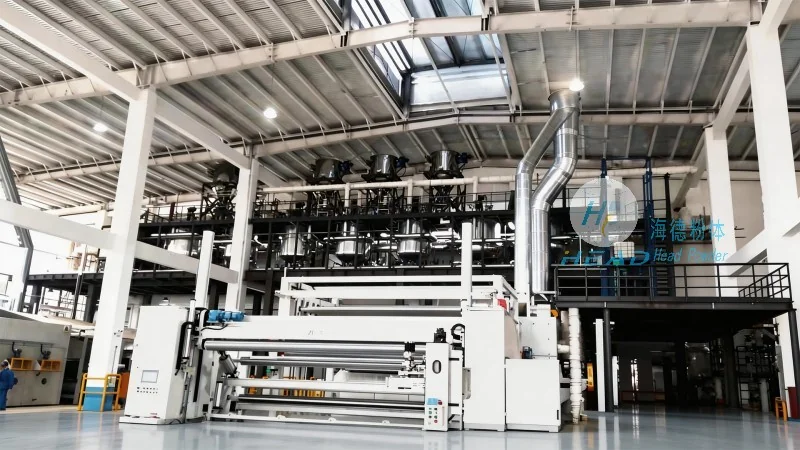
About HeadPowder: Your Partner in Powder Handling Solutions
HeadPowder, or Shandong HeadPowder Engineering Co., Ltd., is a leading provider of advanced powder handling technologies. With operations based in Shandong, China, the company specializes in designing, manufacturing, and implementing efficient pneumatic conveying systems tailored to the unique needs of various industrial sectors. Our expertise lies in delivering reliable solutions for transporting materials like asbestos powder, ensuring compliance with safety standards and operational efficiency.
The Working Principle of Pneumatic Conveying Systems for Asbestos Powder
The core of a pneumatic conveying system for asbestos powder involves several key components and processes. First, the powder is introduced into a hopper or feeder, where it is then fed into a pipeline. The system uses either positive pressure (pressure conveying) or negative pressure (suction conveying) to move the powder. In pressure conveying, a blower or compressor generates high-pressure air that pushes the powder through the pipeline. This method is ideal for long-distance or high-capacity transport. Conversely, suction conveying uses a vacuum to draw the powder from the source, which is often used for shorter distances or when the material is to be collected from multiple points.
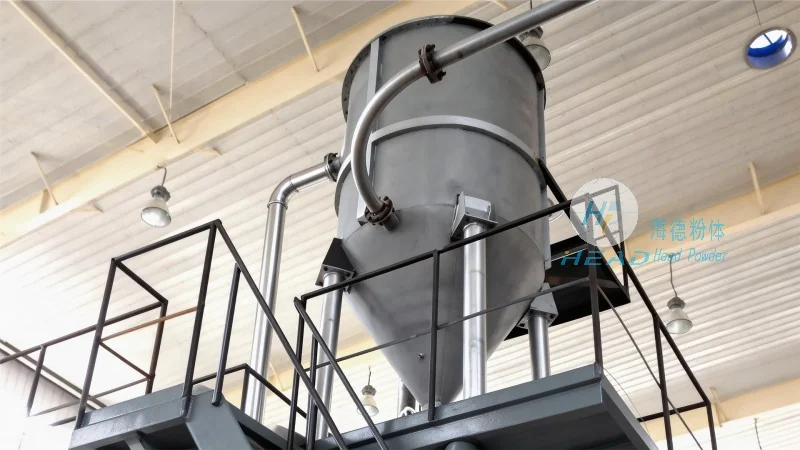
Within the pipeline, the powder particles are suspended in the air stream, creating a dense phase or dilute phase flow. The choice between these phases depends on the powder characteristics and system design. Dense phase conveying involves a higher powder concentration, resulting in a more stable flow and reduced pressure drop, while dilute phase conveying uses a lower concentration, allowing for higher velocities but potentially more wear on components. For asbestos powder, the system must be designed to minimize dust exposure and ensure that the material is handled in a controlled environment, adhering to strict safety regulations.
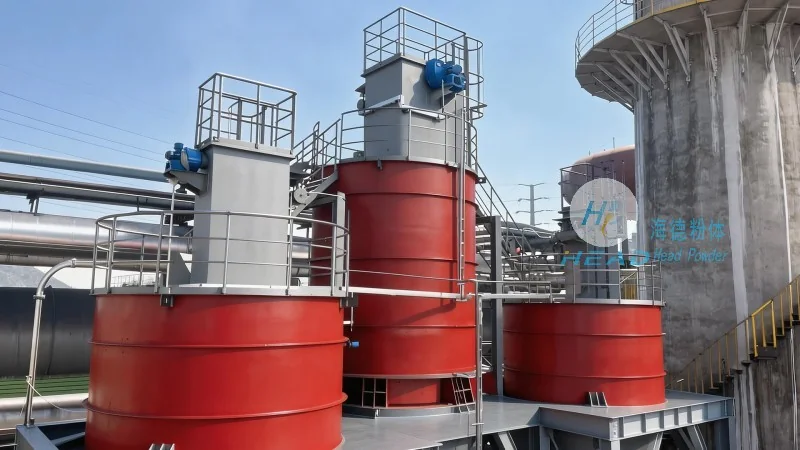
Key Components of an Asbestos Powder Pneumatic Conveying System
Effective asbestos powder pneumatic conveying relies on a series of interconnected components that work in harmony to ensure smooth operation. The primary components include the material feeder, which controls the flow rate of the powder; the conveying line, typically made of materials resistant to abrasion and corrosion, such as stainless steel or special alloys; the air mover, which provides the necessary pressure or vacuum; and the control system, which monitors and adjusts the flow parameters to maintain optimal performance. Additionally, filters and cyclones are used to separate the powder from the air stream, preventing dust contamination and ensuring that the material is delivered to the destination in a clean and dry state.
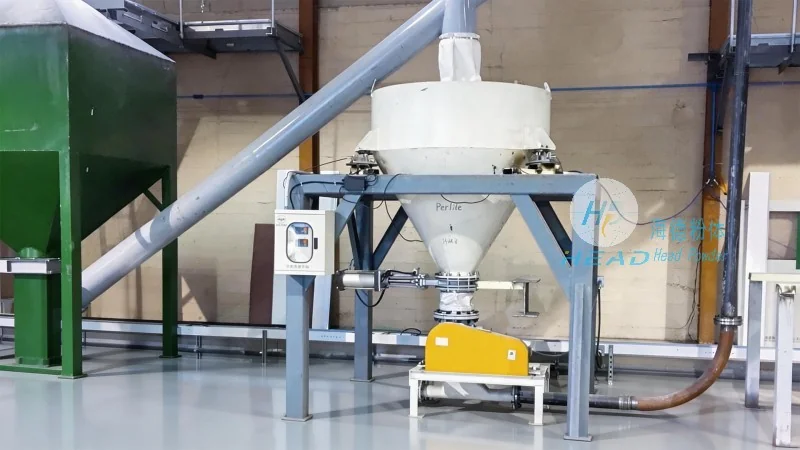
Benefits and Safety Considerations in Asbestos Powder Handling
Implementing a pneumatic conveying system for asbestos powder offers several advantages over traditional methods like bagging or manual handling. The primary benefit is enhanced safety, as the system minimizes direct human exposure to the hazardous material, reducing the risk of asbestos-related health issues. Additionally, the system improves operational efficiency by automating the transport process, reducing labor costs and increasing throughput. From an environmental perspective, the enclosed system reduces dust emissions, contributing to a cleaner working environment and compliance with environmental regulations.
However, it is crucial to adhere to strict safety protocols when handling asbestos. The system must be designed with explosion-proof components if the powder is combustible, and proper filtration systems must be in place to capture any airborne particles. Regular maintenance and inspection of the equipment are also essential to ensure that the system operates safely and efficiently. By leveraging the expertise of companies like Shandong HeadPowder Engineering Co., Ltd., industries can implement reliable and safe asbestos powder handling solutions that meet both operational and regulatory requirements.