

What is a Barley Pneumatic Conveying Equipment? Introduction to the Structure and Principle of Powde
For industries dealing with bulk materials like barley, efficient and reliable material handling is crucial. Pneumatic conveying systems have emerged as a preferred solution, offering a clean, dust-free, and flexible method for transporting powders and granules. This article explores the concept of a barley pneumatic conveying equipment, detailing its structure and operational principles, while highlighting the expertise of Shandong HeadPowder Engineering Co., Ltd. in this field.
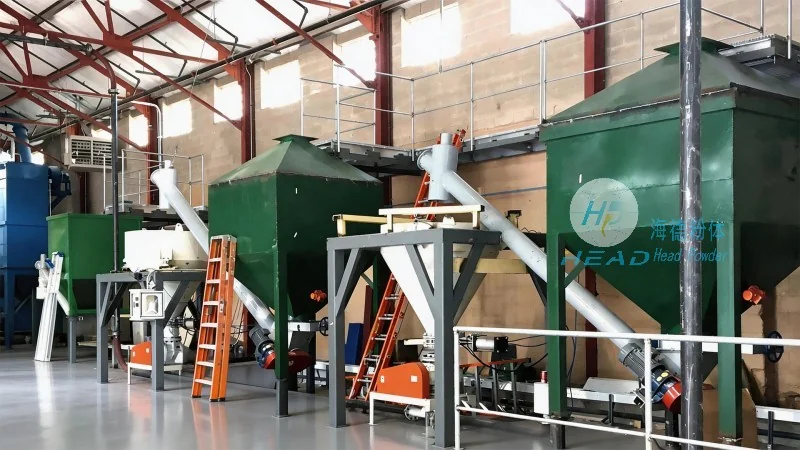
Understanding Pneumatic Conveying Systems
Pneumatic conveying, or air conveying, is a technology that uses compressed air to move bulk materials through a pipeline. Unlike mechanical systems that rely on belts, screws, or buckets, pneumatic systems utilize the force of air to transport materials, making them ideal for applications where hygiene, minimal product degradation, and flexibility are paramount. In the context of barley processing, such systems are essential for moving raw barley from storage to processing units without contamination or loss.
Key Components of a Barley Pneumatic Conveying System
The barley pneumatic conveying equipment typically consists of several core components that work in tandem to ensure efficient material transport. These components include the hopper, which serves as the material storage and feeding unit; the air compressor, which generates the necessary pressure to move the material; the conveying line, which is the pipeline through which the material travels; and the receiver, where the material is deposited at its destination. Each component plays a critical role in the overall functionality of the system.
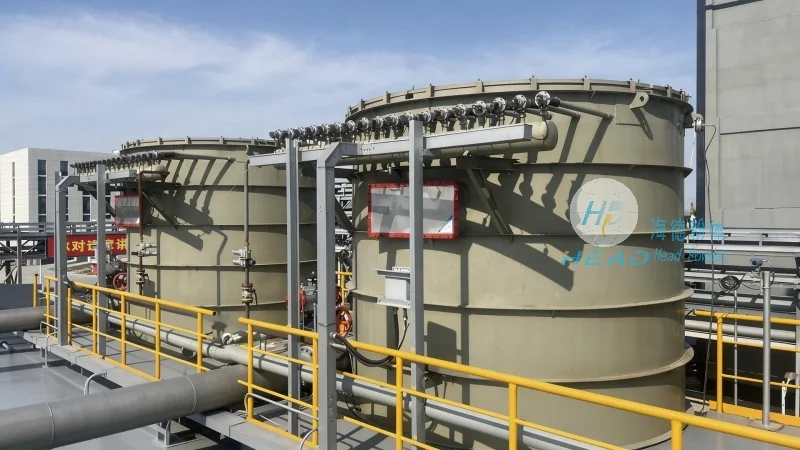
The Hopper and Feeding Mechanism
The hopper is the initial stage of the barley pneumatic conveying system, designed to hold and feed the raw barley into the conveying line. It is usually equipped with a feeder, such as a rotary valve or a star feeder, which controls the flow rate of the material. The design of the hopper is crucial to prevent material bridging or clogging, ensuring a consistent and steady feed. For barley, which can be prone to clumping, the hopper may include features like vibration or air agitation to maintain a free-flowing material bed.
The Air Compressor and Pressure System
The air compressor is the heart of the pneumatic conveying system, responsible for generating the compressed air that propels the barley through the pipeline. There are two main types of air compressors used in such systems: positive displacement compressors (like rotary lobe or screw compressors) and dynamic compressors (like centrifugal compressors). The choice of compressor depends on factors such as the required pressure, flow rate, and the nature of the material being conveyed. The compressor is connected to the conveying line via a filter and regulator, which ensure that the air is clean and at the appropriate pressure.
The Conveying Line and Material Transport
The conveying line is the pipeline through which the barley is transported from the hopper to the receiver. It is typically made of stainless steel or other corrosion-resistant materials to withstand the abrasive nature of the material and the effects of moisture. The line may include bends, elbows, and expansion joints to accommodate changes in direction and elevation. The material is carried by the air flow, which can be either positive pressure (where air pushes the material forward) or negative pressure (where air pulls the material through the line). The design of the line, including its diameter and length, is critical to maintain the velocity of the material and prevent deposition or blockages.
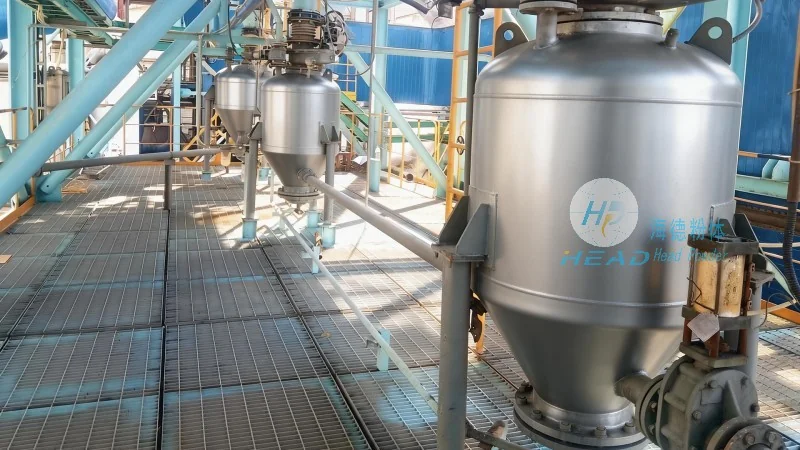
The Receiver and Discharge System
The receiver is the final component of the barley pneumatic conveying system, where the transported barley is deposited. It is usually a hopper or a storage bin designed to hold the material until it is further processed. The receiver may include a discharge valve or a rotary valve to control the flow of material out of the system. Some systems also include a dust collection system to capture any airborne particles, ensuring that the environment remains clean and safe.
Operational Principles and Efficiency
The operation of a barley pneumatic conveying system is based on the principle of air flow and material suspension. When the air compressor is activated, compressed air is introduced into the conveying line, creating a flow that lifts and transports the barley particles. The air velocity must be sufficient to keep the material suspended and prevent it from settling or depositing on the line walls. The system's efficiency depends on several factors, including the air pressure, flow rate, material properties (such as density and particle size), and the design of the conveying line. Proper maintenance and regular cleaning of the components are essential to ensure the system operates at optimal efficiency and longevity.
Advantages of Pneumatic Conveying for Barley Handling
Compared to traditional mechanical conveying methods, pneumatic conveying offers several advantages for barley handling. These include: clean and dust-free operation, which is critical for food processing applications; minimal product degradation, as the material is not subjected to friction or impact; flexibility in layout, as the system can be easily reconfigured to accommodate changes in processing lines; and the ability to transport materials over long distances without the need for multiple transfer points. Additionally, pneumatic systems are relatively easy to install and maintain, reducing downtime and operational costs.
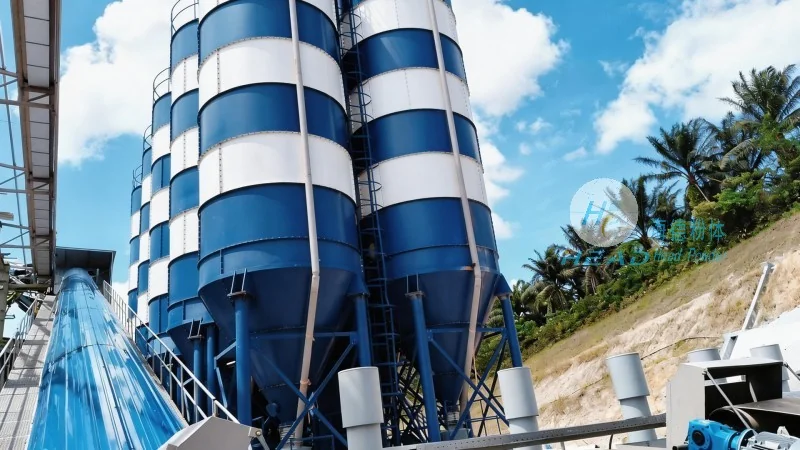
Applications in the Barley Industry
Barley pneumatic conveying equipment is widely used in various stages of barley processing, including storage, cleaning, milling, and packaging. In storage facilities, the system can be used to transfer barley from silos to processing units, ensuring a continuous supply of raw material. During cleaning, the system can transport barley through screening and cleaning equipment, removing impurities and ensuring product quality. In milling operations, the system is used to move barley from the grinding stage to the packaging stage, maintaining a consistent flow of product. The versatility of the system makes it suitable for a wide range of applications in the barley industry.
Conclusion
Pneumatic conveying systems represent a sophisticated and efficient solution for handling barley and other bulk materials. The structure and principles of these systems, as detailed above, highlight the importance of each component in ensuring reliable and effective material transport. With the expertise of companies like Shandong HeadPowder Engineering Co., Ltd., industries can benefit from advanced pneumatic conveying solutions that enhance productivity, maintain product quality, and ensure compliance with industry standards. As the demand for efficient material handling continues to grow, pneumatic conveying is poised to remain a key technology in the barley and other bulk material industries.