

Potash Fertilizer Pneumatic Conveying Equipment: Structure and Principle of Powder Handling Systems
When it comes to efficiently transporting bulk materials like potash fertilizer, the choice of equipment is critical for maintaining product quality and operational efficiency. Pneumatic conveying systems, specifically designed for handling fine powders such as potash, have become a cornerstone in modern industrial applications. This article provides an in-depth look at the structure and operational principles of potash fertilizer pneumatic conveying equipment, highlighting how these systems enhance material handling processes.
Introduction to Potash Fertilizer Pneumatic Conveying Systems
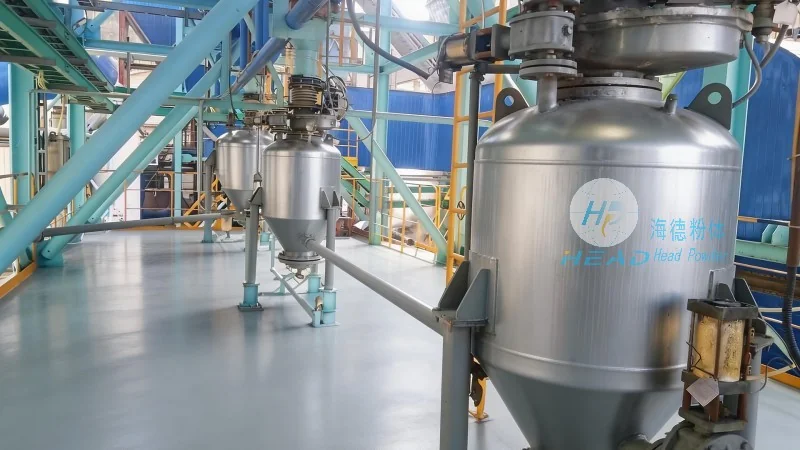
Potash fertilizer, a vital component in agricultural production, requires specialized equipment to ensure safe and efficient transport from storage to processing or distribution points. Pneumatic conveying systems utilize air pressure to move powders through a network of pipes, eliminating the need for mechanical components that could cause contamination or material degradation. The core components of a typical potash fertilizer pneumatic conveying system include a material feeder, a conveying line, a separation or collection unit, and a control system. Each component plays a crucial role in the overall functionality of the system, ensuring that potash is transported with minimal loss and maximum integrity.
Key Structural Components of Potash Fertilizer Pneumatic Conveying Equipment
The structural design of potash fertilizer pneumatic conveying equipment is tailored to handle the unique properties of potash, including its fine particle size and potential for static electricity. The material feeder, often a rotary valve or a screw feeder, is responsible for feeding the potash into the conveying line at a controlled rate. This component must be designed to prevent material bridging and ensure a consistent flow, which is essential for maintaining system performance. The conveying line itself is typically made of stainless steel or other corrosion-resistant materials to withstand the chemical properties of potash and prevent contamination. The line may include bends, elbows, and expansion joints to accommodate changes in direction and pressure, ensuring smooth material transport without clogging or blockages.
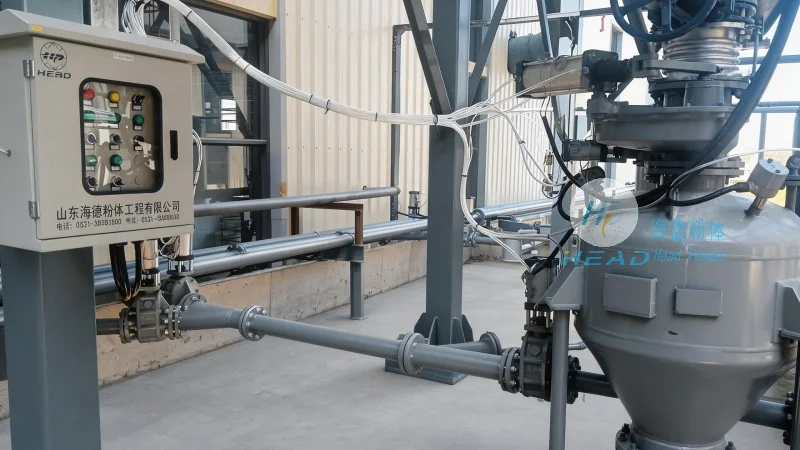
The separation or collection unit, often a cyclone or a bag filter, is a critical component for removing air from the conveyed material and collecting the potash. This unit operates by using centrifugal force to separate the solid particles from the air stream, allowing the potash to be discharged into a storage or processing container. The control system, which may include sensors and a programmable logic controller (PLC), monitors and regulates the flow of material and air, ensuring optimal operation and preventing system failures. This integrated approach to system design ensures that potash fertilizer is handled with precision and efficiency.
Operational Principles and Efficiency in Potash Fertilizer Pneumatic Conveying
The operational principle of potash fertilizer pneumatic conveying systems is based on the use of compressed air to create a flow of material through the conveying line. The air pressure is carefully controlled to maintain a consistent velocity, which is essential for preventing material degradation and ensuring that the potash reaches its destination without loss of quality. The system operates in either positive or negative pressure modes, depending on the application. Positive pressure systems use compressed air to push the material through the line, while negative pressure systems use suction to draw the material. Both modes have their advantages, and the choice depends on factors such as the distance to be covered and the material properties.
Efficiency in potash fertilizer pneumatic conveying is achieved through several factors, including the design of the system components, the control of air pressure, and the maintenance of the equipment. Proper maintenance, such as regular cleaning of the conveying line and replacement of worn parts, is essential to prevent clogging and ensure consistent performance. The use of high-quality materials for the conveying line and components also contributes to the longevity and efficiency of the system. Additionally, the integration of sensors and control systems allows for real-time monitoring of system performance, enabling operators to make adjustments as needed to maintain optimal efficiency.
Benefits of Using Potash Fertilizer Pneumatic Conveying Equipment
Implementing potash fertilizer pneumatic conveying equipment offers numerous benefits for industrial operations. One of the primary advantages is the reduction in material handling costs, as the system eliminates the need for manual labor and mechanical conveyors. This not only reduces labor expenses but also minimizes the risk of product contamination and damage. The system also improves safety by eliminating the need for workers to handle bulk materials manually, reducing the risk of accidents and injuries. Additionally, the efficient transport of potash ensures that the material reaches its destination in a timely manner, improving overall production efficiency and meeting customer demands.
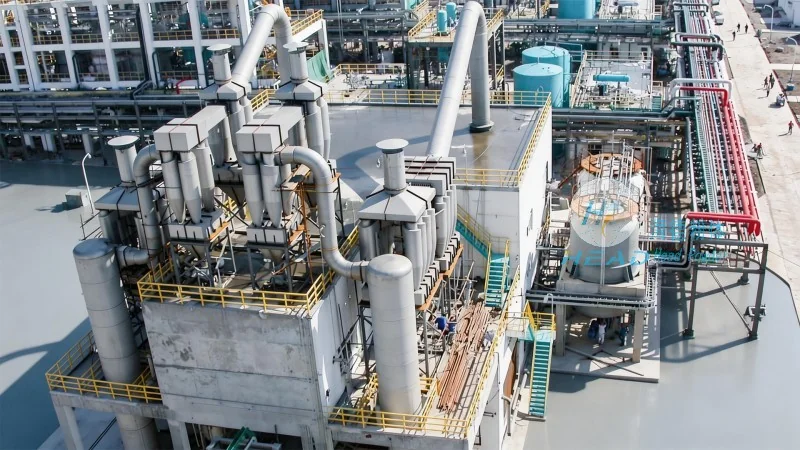
Another significant benefit is the ability to handle potash in a closed system, which prevents dust emissions and protects the environment. This is particularly important for potash, which can be a source of dust and air pollution if not handled properly. The closed system design also helps to maintain the quality of the potash by preventing exposure to moisture or other contaminants. Furthermore, the flexibility of pneumatic conveying systems allows for easy integration with existing production lines, making it a cost-effective solution for upgrading or expanding material handling capabilities.
Conclusion and Company Overview
Potash fertilizer pneumatic conveying equipment is a critical component in modern industrial operations, providing efficient and safe transport of bulk materials. The structural design and operational principles of these systems are tailored to handle the unique properties of potash, ensuring that the material is transported with minimal loss and maximum integrity. The benefits of using such equipment include cost savings, improved safety, and environmental protection. Shandong HeadPowder Engineering Co., Ltd., a leading manufacturer of powder handling systems, specializes in designing and manufacturing high-quality potash fertilizer pneumatic conveying equipment. With a focus on innovation and customer satisfaction, HeadPowder provides reliable solutions for industrial material handling needs. Located in Shandong, China, the company leverages its expertise and experience to deliver systems that meet the highest standards of performance and efficiency. Whether for new installations or system upgrades, HeadPowder offers tailored solutions to enhance the productivity and sustainability of industrial operations.