

What is Sodium Hydroxide Pneumatic Conveying Equipment? An Introduction to the Structure and Working
Sodium hydroxide, commonly known as caustic soda, is a widely used chemical in various industrial processes. The efficient and safe transportation of this caustic material is crucial for industrial operations. Pneumatic conveying systems have emerged as a reliable solution for handling sodium hydroxide, offering advantages such as dust-free operation, reduced risk of contamination, and improved process control. This article provides an in-depth look at the structure and working principle of sodium hydroxide pneumatic conveying equipment, highlighting its key components and operational mechanisms. The information is presented by Shandong HeadPowder Engineering Co., Ltd., a leading manufacturer of powder handling equipment based in China.
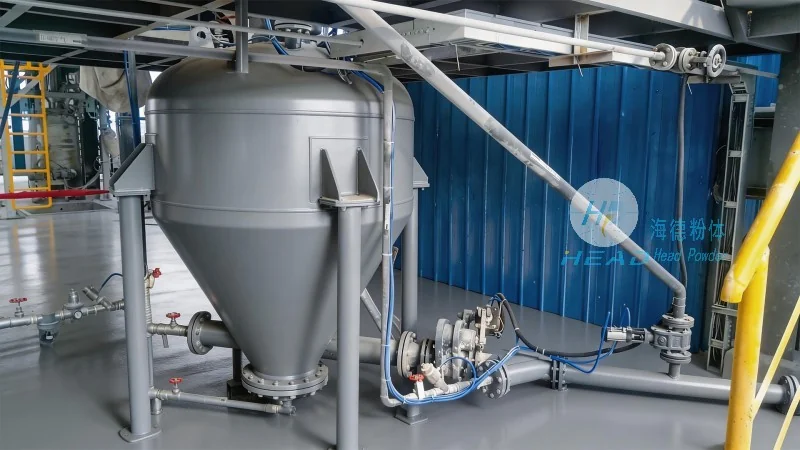
Key Components of the Pneumatic Conveying System
The sodium hydroxide pneumatic conveying system consists of several critical components that work in tandem to ensure smooth and efficient material transport. The main components include the hopper, feeder, air compressor, conveying line, and receiver. Each component plays a vital role in the overall operation of the system.
The hopper is the initial storage unit where sodium hydroxide is stored before being fed into the system. It is designed to maintain a consistent material level and prevent clogging. The feeder, typically a rotary valve or a screw feeder, regulates the flow of sodium hydroxide from the hopper into the conveying line. This component ensures a controlled and steady supply of material, preventing overloading or underfeeding.
The air compressor is the heart of the pneumatic conveying system, responsible for generating the necessary air pressure to move the sodium hydroxide particles through the conveying line. The pressure and flow rate of the air are carefully controlled to match the material characteristics and the required conveying distance. The conveying line, usually made of stainless steel or other corrosion-resistant materials, transports the sodium hydroxide particles along with the air stream. The receiver is the final destination where the conveyed sodium hydroxide is collected and stored for further processing.
Working Principle of the Pneumatic Conveying Process
The operation of the sodium hydroxide pneumatic conveying system follows a specific sequence of steps. Initially, the air compressor generates high-pressure air, which is then introduced into the conveying line. Simultaneously, the feeder starts to discharge sodium hydroxide from the hopper into the line. As the air and material mix, the sodium hydroxide particles are entrained by the air stream and transported through the conveying line to the receiver.
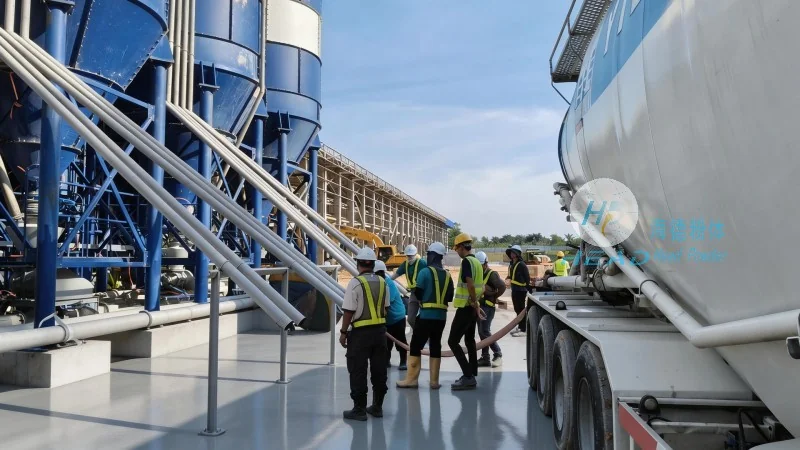
During the conveying process, the air velocity is maintained above the minimum required velocity to prevent particle deposition or clogging in the line. The system uses either positive pressure or negative pressure (or a combination of both) to transport the material. Positive pressure systems use the air compressor to push the material through the line, while negative pressure systems use a vacuum to draw the material. The choice of system depends on factors such as the material characteristics, conveying distance, and plant layout.
The receiver is equipped with a venturi or a cyclone separator to separate the sodium hydroxide particles from the air stream. The separated material is collected in the receiver, and the air is either filtered and recirculated or discharged to the atmosphere, depending on the system design. This separation process ensures that the conveyed material is free from air and is ready for further processing or storage.
Advantages of Using Pneumatic Conveying for Sodium Hydroxide
Compared to traditional mechanical conveying methods, pneumatic conveying offers several advantages for handling sodium hydroxide. One of the primary benefits is the ability to transport the material in a dust-free environment, reducing the risk of exposure to caustic dust and minimizing the risk of contamination. This is particularly important in industries where safety and hygiene are critical, such as pharmaceuticals and food processing.
Another advantage is the flexibility of the system. Pneumatic conveying can handle a wide range of particle sizes and shapes, making it suitable for various forms of sodium hydroxide, including pellets, granules, and powders. The system can also be easily integrated with other process equipment, such as reactors and storage tanks, allowing for seamless material flow in the production line.
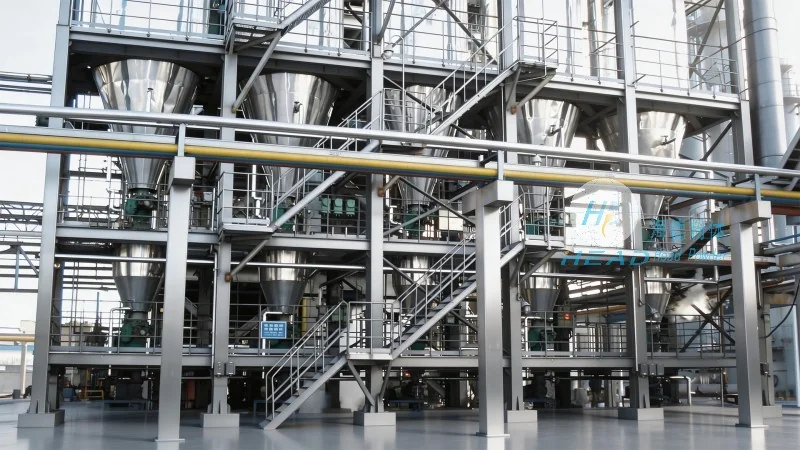
The system also offers improved process control and monitoring capabilities. Modern pneumatic conveying systems are equipped with sensors and control panels that allow operators to monitor the material flow rate, air pressure, and temperature in real-time. This enables quick adjustments to be made to maintain optimal operating conditions and prevent system failures.
Applications of Sodium Hydroxide Pneumatic Conveying Equipment
Sodium hydroxide pneumatic conveying equipment is widely used in various industrial applications. In the chemical industry, it is used for transporting caustic soda between reactors, storage tanks, and processing units. In the pulp and paper industry, it is used for handling sodium hydroxide in the bleaching and pulping processes. In the water treatment industry, it is used for transporting caustic soda for pH adjustment and water softening.
The equipment is also used in the food and beverage industry for handling sodium hydroxide in the production of food additives and in the pharmaceutical industry for transporting caustic soda in the manufacturing of pharmaceutical intermediates.
Conclusion
Sodium hydroxide pneumatic conveying equipment is a critical component in many industrial processes, providing an efficient and safe method for transporting this caustic material. The system's structure and working principle are designed to ensure reliable operation and minimal risk of contamination. By understanding the key components and operational mechanisms of the system, industrial operators can optimize their processes and improve overall productivity.