

Principle of PTFE Pneumatic Conveying Systems
PTFE (Polytetrafluoroethylene) pneumatic conveying systems represent a sophisticated technology for transporting bulk materials through the use of compressed air or other gases. These systems are widely utilized across various industries due to their efficiency, flexibility, and ability to handle a broad range of materials, including those that are abrasive, corrosive, or sensitive to moisture. The core principle of PTFE pneumatic conveying involves the creation of a flow of air or gas that propels particles through a pipeline, enabling the transfer of materials from one location to another without the need for mechanical components like belts or buckets.
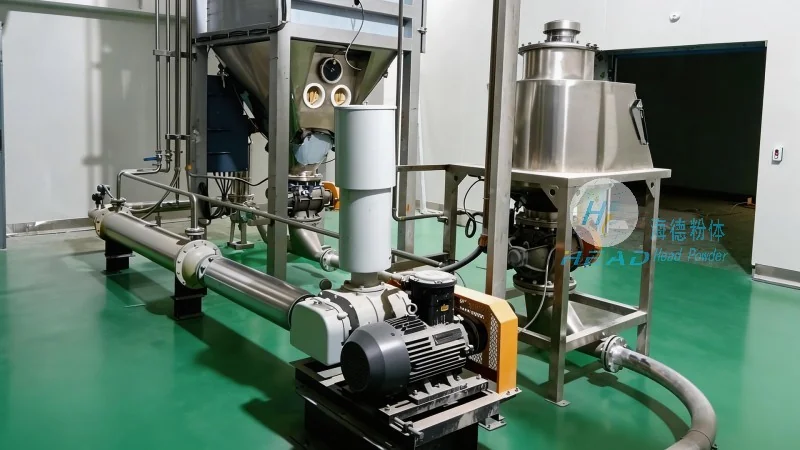
Key Components and Working Mechanism
The operation of a PTFE pneumatic conveying system relies on several critical components that work in concert to ensure effective material transport. The primary elements include a material hopper, a conveying line (often lined with PTFE for corrosion resistance), a venturi or airlock mechanism, and a control system. The material is first introduced into the hopper, where it is then drawn into the conveying line by the moving air stream. The venturi or airlock creates the necessary pressure differential to move the particles along the pipeline. The PTFE lining in the conveying line is crucial as it provides non-stick properties and resistance to chemical attack, ensuring the system remains durable and efficient over time.
Advantages of PTFE Lined Pneumatic Conveying
One of the most significant advantages of PTFE pneumatic conveying systems is their ability to handle materials that are difficult to transport using traditional methods. The PTFE lining reduces friction and prevents material buildup, which is particularly beneficial for handling abrasive or sticky substances. Additionally, PTFE is chemically inert, making it suitable for conveying materials that are sensitive to corrosion or contamination. This non-stick surface also minimizes product degradation and ensures that the conveyed material remains in its original state, which is essential for industries such as pharmaceuticals, food processing, and chemical manufacturing.
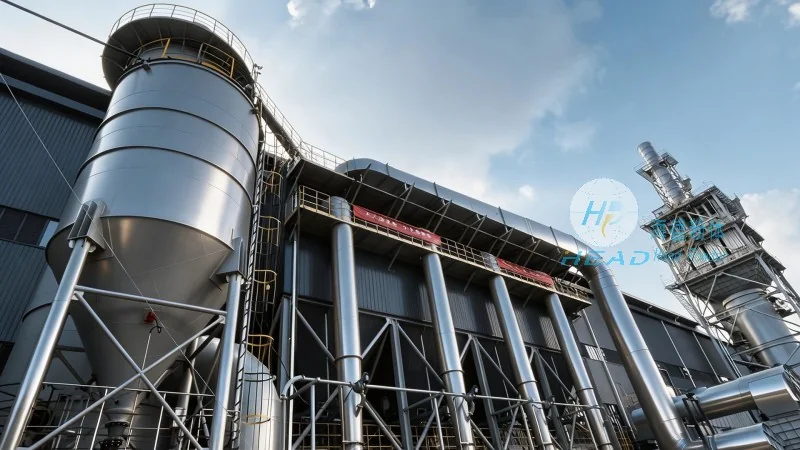
Applications in Different Industries
PTFE pneumatic conveying systems find applications in a wide array of industries, each leveraging the system's unique capabilities. In the chemical industry, these systems are used to transport powders and granules that may be reactive or corrosive. The PTFE lining protects the system from chemical damage while ensuring the material is handled safely. In the food and beverage sector, PTFE pneumatic conveyors are employed to transfer ingredients like flour, sugar, and spices, maintaining hygiene and preventing contamination. The pharmaceutical industry also benefits from PTFE systems, as they can handle sensitive active ingredients without compromising purity. Furthermore, in the mining and minerals sector, PTFE lined pneumatic conveyors are used to transport raw materials, taking advantage of the system's ability to handle abrasive particles without causing wear and tear on the equipment.
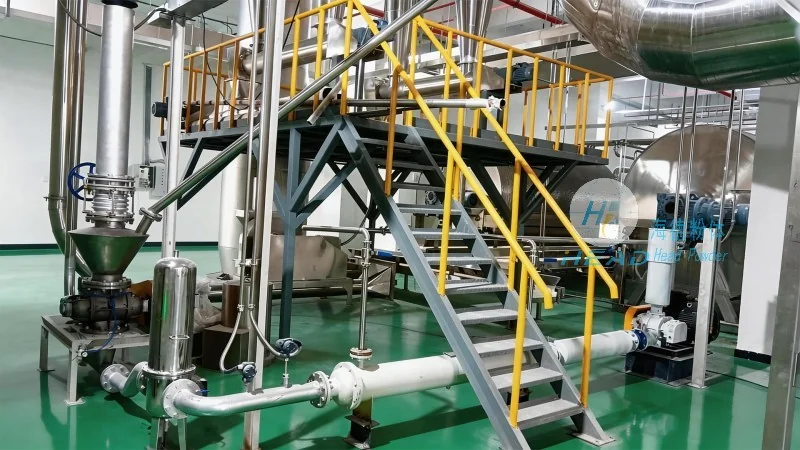
Design Considerations and Customization
The design of a PTFE pneumatic conveying system is tailored to meet the specific requirements of the application. Factors such as the type of material being conveyed, the distance of transport, and the desired flow rate are all considered during the design process. The system can be configured as a positive pressure or negative pressure system, depending on the material's properties and the operational environment. Positive pressure systems use compressed air to push the material through the line, while negative pressure systems use suction to draw the material. The choice between these systems depends on the material's density, moisture content, and the need to minimize dust emissions. Customization is also possible, with options for different line diameters, material hopper sizes, and control systems to accommodate various production needs.
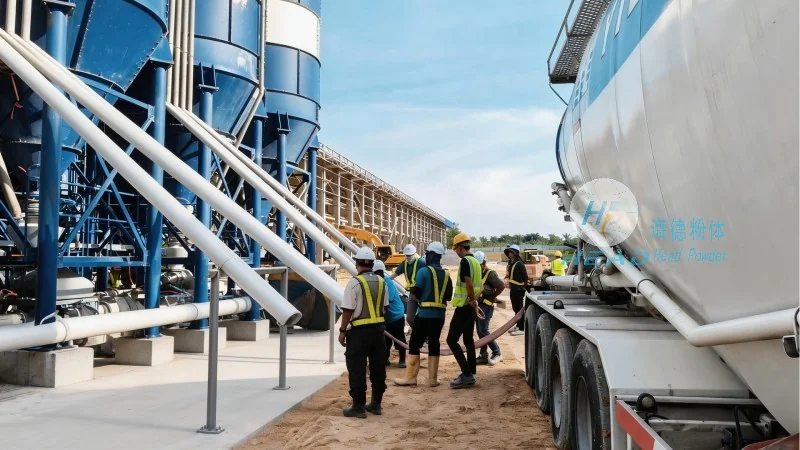
Maintenance and Longevity of PTFE Conveying Systems
Maintaining a PTFE pneumatic conveying system is relatively straightforward, contributing to its long operational life. Regular inspections of the PTFE lining for any signs of wear or damage are essential to ensure system performance. Cleaning the system after each use, especially when handling sticky or abrasive materials, helps prevent buildup and maintain efficiency. The non-stick properties of PTFE reduce the need for frequent cleaning, as materials do not adhere to the lining as readily as with other materials. However, if the system is used for high-abrasion applications, periodic replacement of the PTFE lining may be necessary to prevent excessive wear. Overall, the durability and low maintenance requirements of PTFE lined pneumatic conveying systems make them a cost-effective solution for bulk material transport.
Conclusion
PTFE pneumatic conveying systems represent an advanced solution for the efficient and reliable transport of bulk materials. By leveraging the unique properties of PTFE, these systems offer advantages such as corrosion resistance, non-stick surfaces, and the ability to handle a wide range of materials. The working mechanism, which involves the use of compressed air to move particles through a PTFE-lined pipeline, ensures minimal product degradation and high operational efficiency. With applications spanning multiple industries, from chemicals to food processing, PTFE pneumatic conveying systems are a versatile and essential component of modern material handling. As technology continues to advance, these systems will likely become even more efficient and adaptable, further solidifying their role in industrial operations.