

Principle of Paddy Grain Pneumatic Conveying System
Understanding the fundamental principles of paddy grain pneumatic conveying systems is crucial for optimizing grain handling processes in agricultural and food processing industries. These systems utilize air as the primary medium to transport paddy grains from one location to another, offering a efficient and hygienic method compared to traditional mechanical conveyors. The core mechanism involves creating a pressure differential that propels the grain particles through a pipeline using compressed air or suction, enabling seamless movement across varying distances and elevations.
Key Components and Their Functions
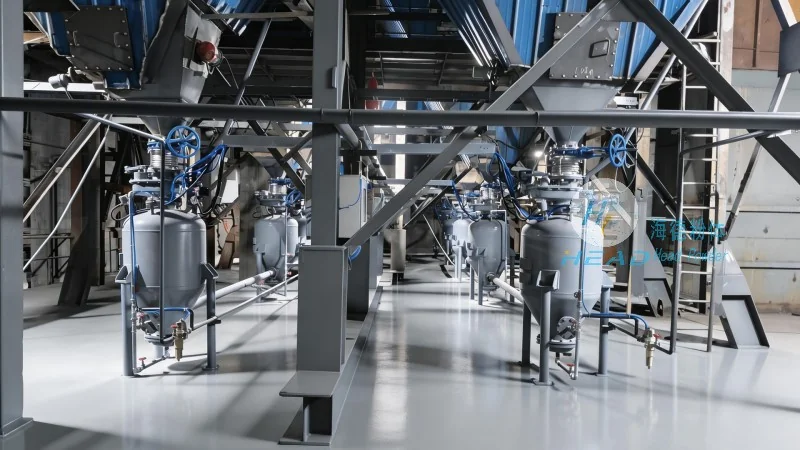
The paddy grain pneumatic conveying system consists of several critical components, each playing a vital role in the overall operation. The primary components include the hopper or feed hopper, which stores and feeds the paddy grains into the system; the air compressor or vacuum pump, which generates the necessary air pressure or suction force; the conveying pipeline, which transports the grains; and the discharge device, which releases the grains at the destination. Additionally, auxiliary components such as filters, cyclones, and dust collectors are often integrated to ensure system efficiency and maintain air quality. The feed hopper is designed to control the flow rate of paddy grains, preventing overloading and ensuring consistent material input. The air compressor or vacuum pump provides the driving force, with the choice between positive pressure and negative pressure systems depending on the application requirements. The conveying pipeline, typically made of stainless steel or other corrosion-resistant materials, is configured with bends and fittings to accommodate the required path. The discharge device, such as a rotary valve or a venturi, regulates the release of grains, preventing backflow and maintaining system integrity.
Working Principle of Paddy Grain Pneumatic Conveying
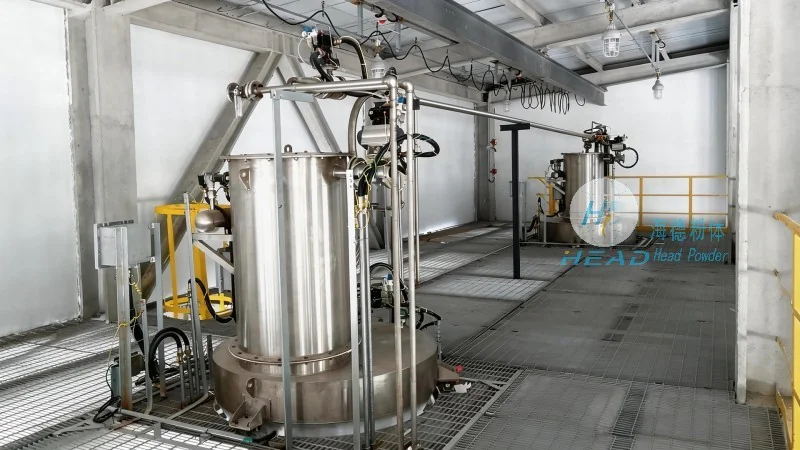
The operation of a paddy grain pneumatic conveying system is based on the principle of fluidization and suspension of the grain particles in air. In a positive pressure system, compressed air is introduced into the feed hopper, creating a pressure higher than the ambient air. This pressure forces the paddy grains to flow into the conveying pipeline, where they are suspended and transported by the moving air stream. The air velocity within the pipeline must be sufficient to keep the grains in suspension, typically ranging from 20 to 30 meters per second for paddy grains. The system maintains a consistent flow by controlling the air pressure and flow rate, ensuring that the grains are conveyed without clogging or degradation. In a negative pressure system, a vacuum pump creates a low-pressure environment, drawing the paddy grains into the pipeline as air is pulled through. This method is often used for short-distance or low-volume conveying applications. The key to efficient operation is maintaining the correct air-to-grain ratio, which balances the energy consumption with the conveying capacity. Proper design and maintenance of the system components are essential to prevent air leakage, which can reduce system efficiency and increase energy costs.
Advantages of Paddy Grain Pneumatic Conveying Systems
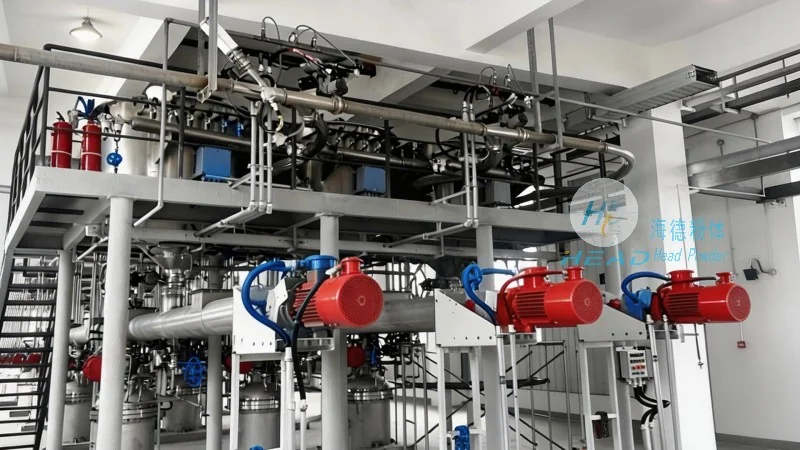
Paddy grain pneumatic conveying systems offer several advantages over traditional mechanical conveyors, making them a preferred choice in modern grain handling operations. One of the primary benefits is the hygienic and dust-free environment, as the system is enclosed, preventing contamination from external sources. This is particularly important for paddy grains, which are sensitive to moisture and contaminants. The system also provides a flexible and compact design, allowing for easy integration into existing processing facilities. The ability to convey grains over long distances and vertical elevations without the need for multiple transfer points reduces the risk of breakage and loss. Additionally, pneumatic conveying systems are energy-efficient compared to mechanical systems, as they use air as the primary medium, which is less energy-intensive than mechanical components. The system also minimizes labor costs, as it requires less manual handling and reduces the need for maintenance due to fewer moving parts. However, it is important to note that the initial investment for a pneumatic conveying system is higher than for mechanical systems, and the energy consumption can be higher for long-distance conveying. Proper sizing and design are crucial to optimize the system's performance and cost-effectiveness.
Applications in Paddy Grain Processing
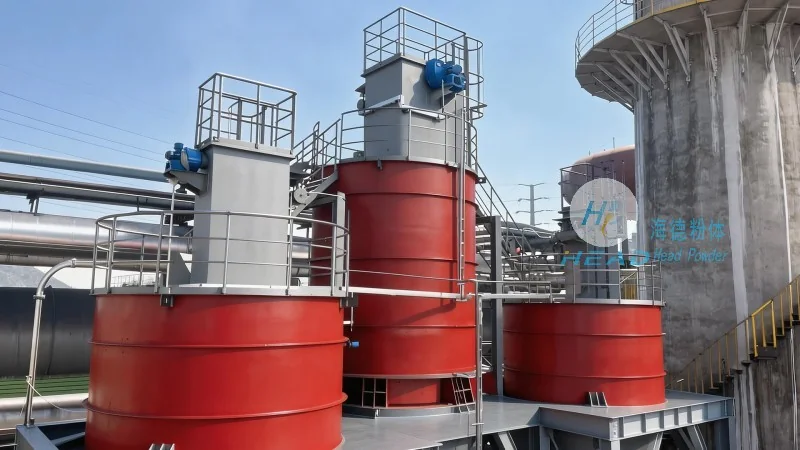
Paddy grain pneumatic conveying systems are widely used in various stages of paddy grain processing, from storage and handling to milling and packaging. In storage facilities, the system is used to transfer paddy grains from storage silos to processing lines, ensuring a continuous supply of raw material. During the milling process, the system conveys the paddy grains to the husking and milling machines, where they are processed into rice. The system is also used to transport the byproducts, such as husks and bran, to storage or disposal areas. In packaging operations, the system conveys the finished rice to packaging machines, ensuring a smooth and efficient filling process. The flexibility of the pneumatic conveying system allows it to be adapted to different processing requirements, such as varying grain volumes and processing speeds. The system's ability to handle different grain types and sizes makes it suitable for diverse applications in the agricultural and food processing industries. Additionally, the system's hygienic design is particularly important in food processing, as it meets the stringent requirements for food safety and quality control.