

Principle of Activated Carbon Pneumatic Conveying Equipment
Pneumatic conveying systems are widely used in industrial processes for transporting bulk materials like activated carbon. These systems utilize air or other gases to move materials through a pipeline network. The principle of activated carbon pneumatic conveying equipment involves creating a pressure differential or using vacuum to transport the material from a source to a destination. This method offers advantages such as dust-free operation, reduced material degradation, and the ability to handle materials with high moisture content or abrasive properties. By integrating advanced engineering principles, these systems ensure efficient and reliable material transport, making them essential in modern industrial applications.
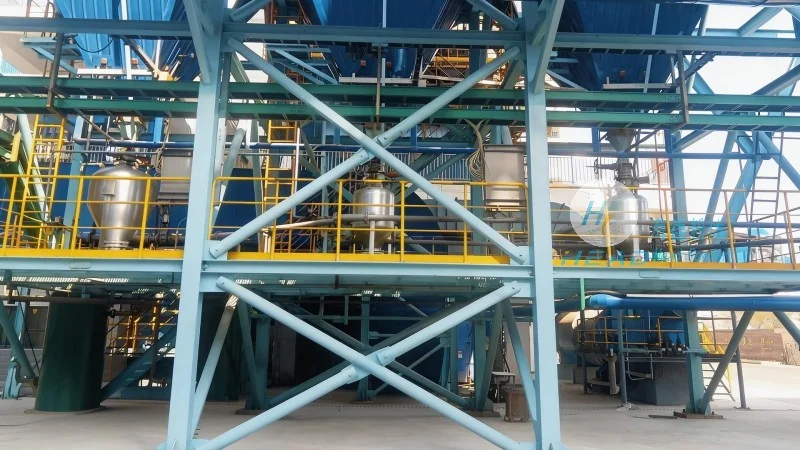
Company Overview: Shandong HeadPowder Engineering Co., Ltd.
Shandong HeadPowder Engineering Co., Ltd., commonly known as HeadPowder, is a leading manufacturer specializing in the design, development, and production of advanced pneumatic conveying equipment. With a strong focus on innovation and customer-centric solutions, the company has established itself as a trusted partner in the industry. HeadPowder's headquarters is located in Shandong, China, where the company leverages local resources and expertise to deliver high-quality products and services. The company adheres to international standards and continuously invests in research and development to enhance product performance and durability.
Technical Principles of Pneumatic Conveying Systems
The core principle of pneumatic conveying for activated carbon involves the use of a conveying medium, typically air, to transport the material. There are two main types of systems: pressure and vacuum. In pressure systems, compressed air is introduced into the material hopper, creating a pressure that pushes the material through the pipeline. The pressure is carefully controlled to prevent material degradation or pipeline damage. Vacuum systems, on the other hand, use a vacuum pump to create a negative pressure that draws the material from the source. This method is often preferred for shorter distances or when the material needs to be transported from a lower elevation to a higher one. The choice between these systems depends on factors such as the distance to be covered, the material's characteristics, and the required flow rate. Additionally, the system's design considers the specific properties of activated carbon, such as its particle size, density, and flowability, to ensure optimal performance.
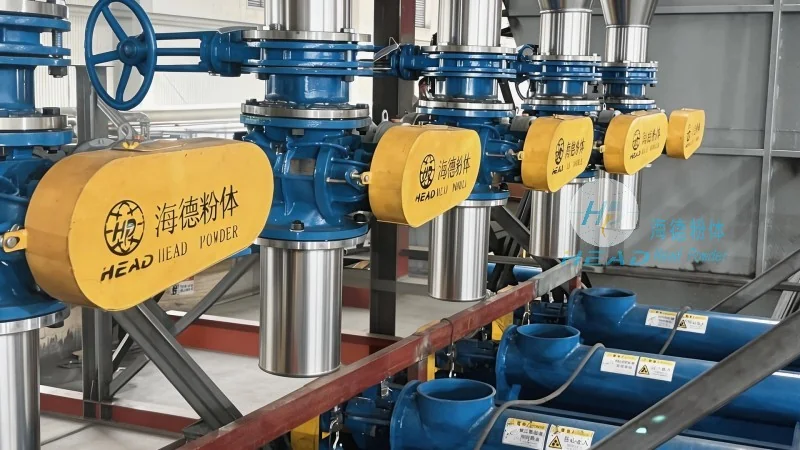
Key Components and Their Functions
Several critical components make up an activated carbon pneumatic conveying system. The hopper or feeder is responsible for storing and feeding the activated carbon into the system. It is designed to maintain a consistent material level and prevent blockages. The air compressor or vacuum pump provides the necessary pressure or vacuum to move the material. These units are typically equipped with filters and moisture separators to ensure clean air, which is crucial for preventing material contamination and equipment wear. The pipeline network, often made of stainless steel or other corrosion-resistant materials, transports the material from the source to the destination. The choice of material for the pipeline depends on the chemical compatibility with activated carbon and the operating conditions. The receiver or silo collects the material at the end of the pipeline. It is designed to handle the incoming material flow and maintain a stable pressure. Control valves and sensors are used to regulate the flow and monitor the system's performance. These components help maintain system efficiency and prevent overloading or underflow.
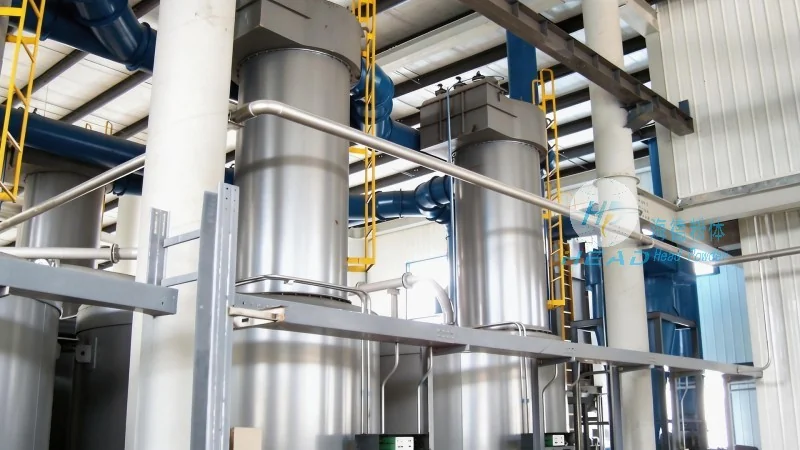
Application Scenarios and Benefits
Activated carbon pneumatic conveying equipment is widely used in various industries, including chemical, pharmaceutical, food, and environmental sectors. In the chemical industry, it is used to transport activated carbon for adsorption processes, such as removing impurities from liquids or gases. In the pharmaceutical industry, it helps maintain a clean and hygienic environment during material handling, which is critical for meeting regulatory standards. The benefits of using pneumatic conveying include reduced labor costs by eliminating manual handling of bulk materials, improved safety by minimizing exposure to dust and other hazards, and increased efficiency in material transport. Furthermore, the system can handle materials with high moisture content or fine particles without causing clogging or degradation. This makes it suitable for applications where traditional methods, such as belt conveyors or bucket elevators, may not be effective. Additionally, the system's ability to transport materials over long distances without intermediate storage points enhances operational flexibility and reduces the need for additional infrastructure.
Conclusion
Activated carbon pneumatic conveying equipment, as developed by Shandong HeadPowder Engineering Co., Ltd., represents a sophisticated solution for efficient and safe material transport. By leveraging the principles of pneumatic conveying, these systems offer reliable performance and adaptability to various industrial applications. With a strong commitment to quality and innovation, HeadPowder continues to provide advanced solutions that meet the evolving needs of the industry. The company's expertise in material handling and system design ensures that customers receive customized solutions tailored to their specific requirements. As the demand for efficient and sustainable material transport increases, the role of pneumatic conveying systems, particularly for activated carbon, will continue to grow. HeadPowder's dedication to excellence positions it as a key player in this evolving market, delivering solutions that enhance operational efficiency and environmental sustainability.