

Principle of Solid Powder Pneumatic Conveying Equipment
HeadPowder, a leading engineering company based in Shandong, China, specializes in the design, manufacturing, and application of advanced solid powder pneumatic conveying systems. This article provides a comprehensive overview of the fundamental principles behind these systems, which are widely used in various industrial sectors for efficient material handling and transportation.
Core Components and Working Mechanism
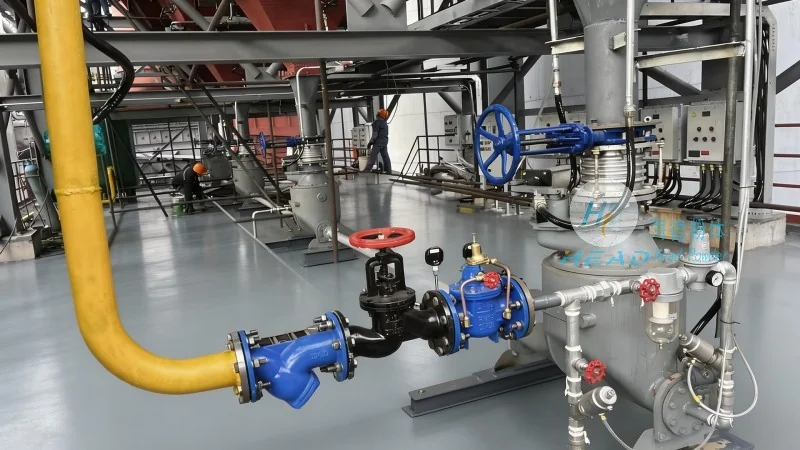
The solid powder pneumatic conveying equipment typically consists of several key components that work in tandem to transport dry powders through a pipeline using a gas stream. The primary components include a material feeder, a conveying pipeline, a gas source (usually a blower or compressor), and a control system. The material feeder is responsible for feeding the powder into the pipeline at a controlled rate, ensuring a consistent flow. The gas source generates the necessary air pressure or vacuum to move the powder particles along the pipeline. The conveying pipeline is designed to withstand the pressure and temperature conditions of the operation, often made from materials like stainless steel or plastic to prevent material contamination and corrosion.
Types of Pneumatic Conveying Systems
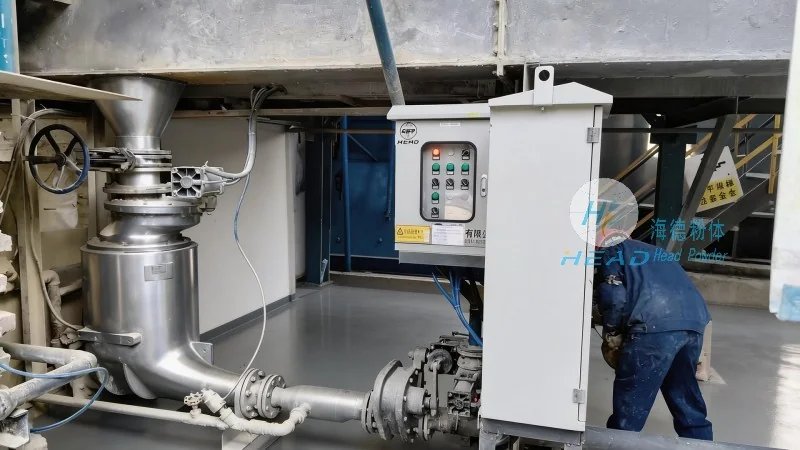
There are two main categories of pneumatic conveying systems: pressure and vacuum systems. Pressure systems operate by injecting high-pressure air or gas into the pipeline, pushing the powder forward. These systems are suitable for long-distance and high-capacity applications. Vacuum systems, on the other hand, use a vacuum pump to create a negative pressure in the pipeline, drawing the powder from the source. Vacuum systems are ideal for short-distance or when the material needs to be transported from multiple sources to a single destination.
Key Advantages of Pneumatic Conveying
Compared to traditional mechanical conveying methods, solid powder pneumatic conveying offers several significant advantages. Firstly, it eliminates the need for moving parts in the conveying line, reducing maintenance requirements and increasing system reliability. Secondly, it provides a hygienic and dust-free environment, which is crucial for industries such as food, pharmaceuticals, and chemicals. Thirdly, the system can handle a wide range of powder characteristics, including different particle sizes, densities, and flowabilities, making it versatile for various applications. Additionally, pneumatic conveying systems can be easily integrated with other processing equipment, enhancing overall production efficiency.
Application Examples in Industrial Sectors
Solid powder pneumatic conveying equipment is widely utilized across multiple industrial sectors due to its adaptability and efficiency. In the food industry, it is used for transporting ingredients like flour, sugar, and spices in food processing plants. The pharmaceutical industry employs these systems for handling active pharmaceutical ingredients (APIs) and other powders, ensuring strict contamination control. In the chemical industry, pneumatic conveying is used for transporting raw materials such as powders, granules, and pellets, facilitating smooth production processes. Additionally, in the cement and construction sectors, these systems are used for transporting cement, fly ash, and other powders to construction sites, improving material handling efficiency.
Design Considerations and Optimization
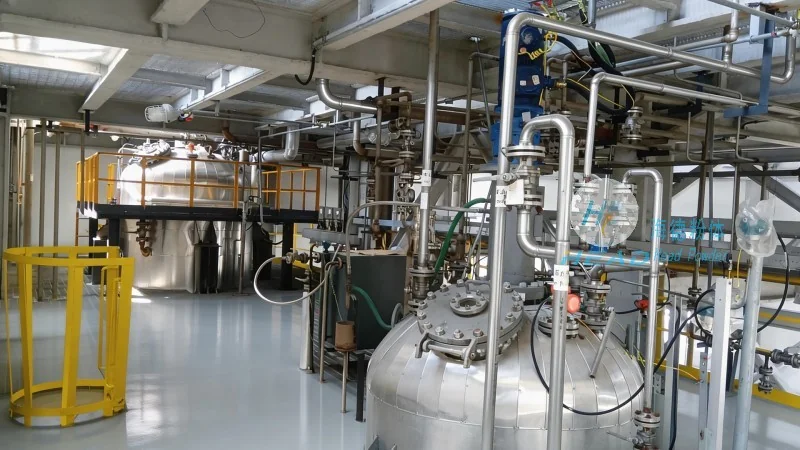
When designing a solid powder pneumatic conveying system, several factors need to be considered to ensure optimal performance and efficiency. The first consideration is the material characteristics of the powder, including particle size distribution, density, and flowability, as these affect the conveying velocity and pressure requirements. The second factor is the system layout, including the length and diameter of the pipeline, which impact the energy consumption and overall system cost. The third consideration is the selection of the gas source, where the type of blower (centrifugal or positive displacement) and its capacity are critical for meeting the system's pressure and flow demands. Furthermore, the control system plays a vital role in maintaining consistent operation, with features like pressure monitoring, flow control, and automatic start/stop functions to enhance system reliability and reduce downtime.
Maintenance and Operational Tips
To ensure the longevity and efficient operation of solid powder pneumatic conveying equipment, regular maintenance and proper operational practices are essential. Regular inspection of the pipeline for any blockages or wear is crucial, as blockages can lead to system failure and increased energy consumption. Cleaning the system after each use, especially for hygienic applications, prevents cross-contamination and maintains product quality. Additionally, monitoring the gas source and control system for any abnormalities, such as pressure fluctuations or motor overheating, helps in early detection of potential issues and prevents major system breakdowns. Proper training of operators on the system's operation and maintenance procedures is also vital to ensure safe and efficient operation.