

What is Magnesite Powder Pneumatic Conveying? What Are the Design Principles?
When it comes to transporting bulk materials like magnesite powder, pneumatic conveying systems offer an efficient and reliable solution. This method involves using air to move powder through a pipeline, eliminating the need for traditional mechanical components such as conveyors or buckets. For industries dealing with fine powders, especially those with high moisture content or abrasive properties, pneumatic conveying provides a flexible and cost-effective approach to material handling.
Understanding Magnesite Powder Pneumatic Conveying
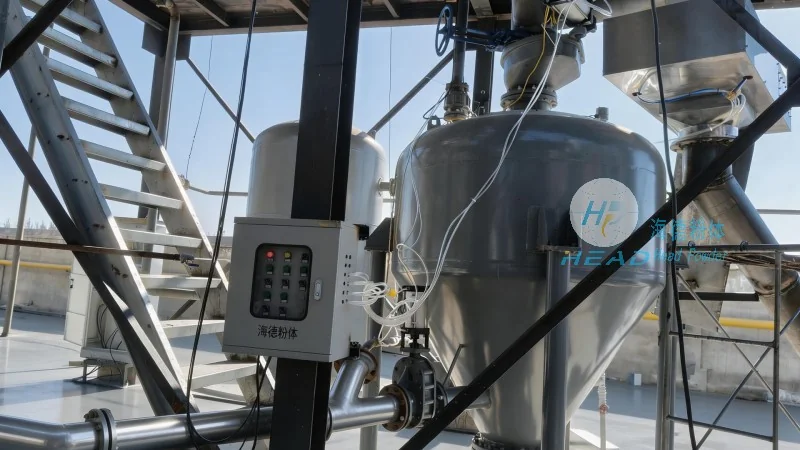
Magnesite powder, a form of magnesium carbonate, is widely used in various applications including refractory materials, chemical processing, and construction. Due to its fine particle size and potential for dust generation, conventional handling methods can be inefficient and pose safety risks. Pneumatic conveying addresses these challenges by creating a sealed system that transports the powder in a controlled manner. The process typically involves a blower or compressor that generates airflow, which draws the powder from a hopper or storage tank into the conveying line. The air-powder mixture then travels through the pipeline to the destination point, where it is separated and the air is recycled or vented.
Key Design Principles for Magnesite Powder Pneumatic Conveying Systems
The successful design of a magnesite powder pneumatic conveying system relies on several critical principles. First, the system must be tailored to the specific properties of the magnesite powder, including its particle size distribution, density, and moisture content. These factors influence the required air velocity and pressure to ensure efficient transport without clogging or degradation of the material. For magnesite powder, which often has a relatively fine particle size (typically 0-200 mesh), higher air velocities may be needed to prevent particle settling and maintain flow.
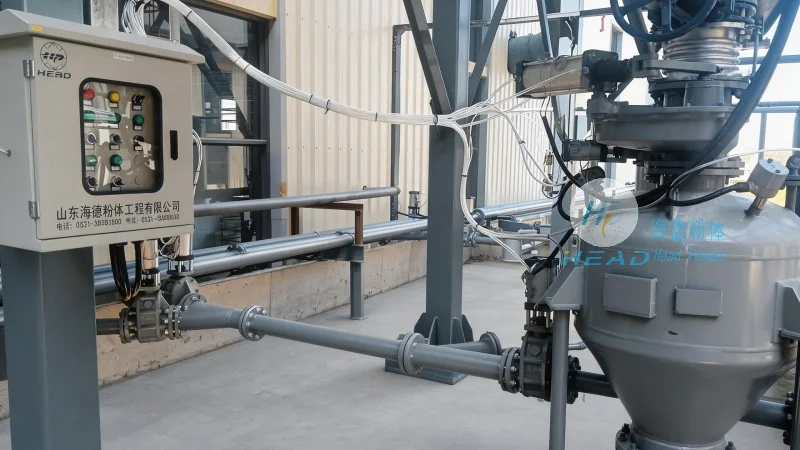
Second, the system design must consider the overall material flow rate and the distance between the source and destination. The choice of conveying line diameter, material of construction (e.g., stainless steel or plastic), and the type of air separation equipment are all critical. For example, stainless steel is commonly used for its corrosion resistance, especially when dealing with acidic or moisture-rich magnesite powders. The separation equipment, such as cyclones or filters, must be sized appropriately to handle the volume of powder and air, ensuring minimal loss and efficient recovery of the material.
Components and Operation of a Typical System
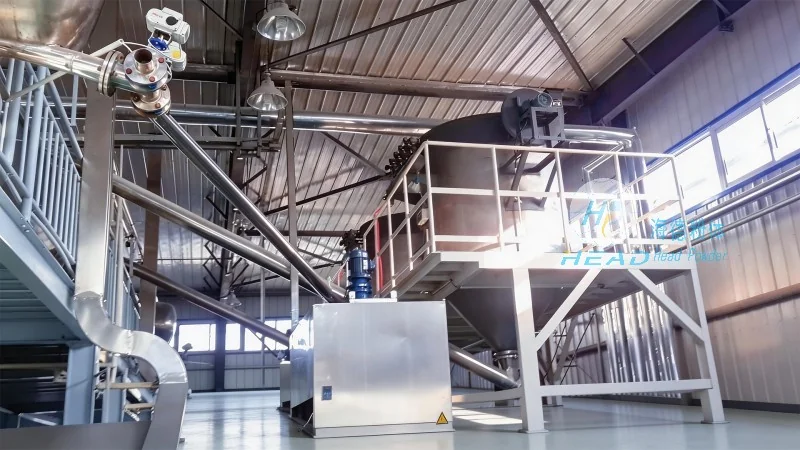
A standard magnesite powder pneumatic conveying system consists of several key components. The primary components include a hopper or feeder, a blower or compressor, a conveying line, and a separation unit. The hopper is designed to feed the magnesite powder into the system at a controlled rate, preventing overloading and ensuring consistent flow. The blower or compressor provides the necessary pressure and airflow to move the powder through the pipeline. The conveying line is typically made of flexible or rigid tubing, with the diameter chosen based on the expected flow rate and particle size. The separation unit, often a cyclone or a bag filter, separates the powder from the air, allowing the powder to be collected at the destination and the air to be recycled back to the blower.
The operation of the system begins with the magnesite powder being fed from the hopper into the conveying line. The blower creates a negative pressure or positive pressure in the line, depending on the system design, which draws the powder into the airflow. As the powder travels through the pipeline, it is suspended by the air and transported to the receiving hopper or storage tank. At the destination, the air is separated from the powder, and the powder is collected. The air, now free of powder, is either vented to the atmosphere or recirculated back to the blower to improve energy efficiency.
Advantages and Considerations for Magnesite Powder Handling
Pneumatic conveying offers several advantages for handling magnesite powder. It provides a dust-free environment, reducing the risk of inhalation and contamination. The sealed system also minimizes material loss and exposure to external factors such as moisture or temperature changes. Additionally, the system can be easily integrated with other processing equipment, allowing for a streamlined workflow. However, there are considerations to keep in mind. For instance, the high air velocities required for fine powders can lead to increased energy consumption. Moreover, the system must be designed to prevent clogging, as magnesite powder can agglomerate under certain conditions. Proper maintenance, including regular cleaning of the conveying line and separation equipment, is essential to ensure the system operates efficiently over time.
In conclusion, pneumatic conveying is a highly effective method for transporting magnesite powder, and its design must be carefully tailored to the material's properties and the specific application requirements. By considering factors such as particle size, flow rate, and system components, engineers can design a reliable and efficient system that meets the needs of industries relying on magnesite powder. The expertise of companies like Shandong HeadPowder Engineering Co., Ltd., with their focus on engineering solutions for bulk material handling, plays a crucial role in optimizing these systems for various industrial applications.