

What is White Sugar Pneumatic Conveying? What Are Its Design Principles?
White sugar pneumatic conveying is a specialized method used in the sugar industry to transport white sugar from one location to another efficiently. This technology utilizes air as the medium to move granular materials like white sugar, offering advantages such as reduced contamination, improved hygiene, and enhanced operational flexibility. As a key component in sugar processing facilities, understanding the principles behind this system is crucial for optimizing production and maintaining quality standards.
About HeadPowder Engineering
HeadPowder, formally known as Shandong HeadPowder Engineering Co., Ltd., is a leading provider of engineering solutions tailored for the sugar and related industries. With a strong presence in China, particularly in Shandong, the company specializes in designing, manufacturing, and implementing advanced pneumatic conveying systems. Our expertise lies in creating customized solutions that meet the unique demands of sugar processing, ensuring reliable and efficient material handling for our clients.
Design Principles of Pneumatic Conveying Systems for White Sugar
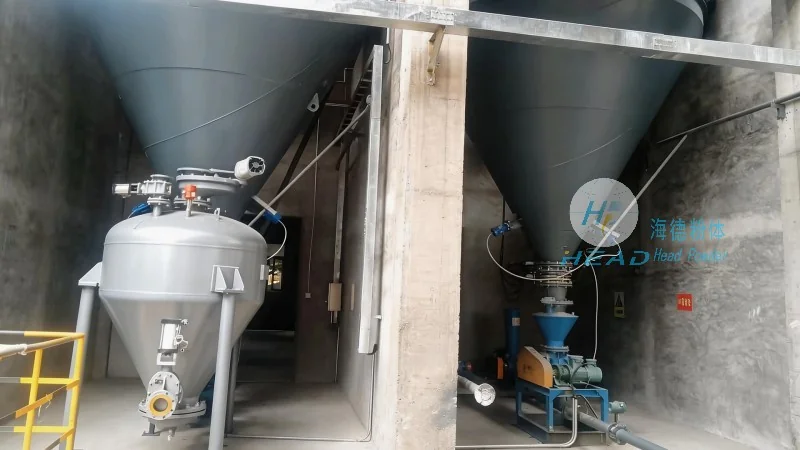
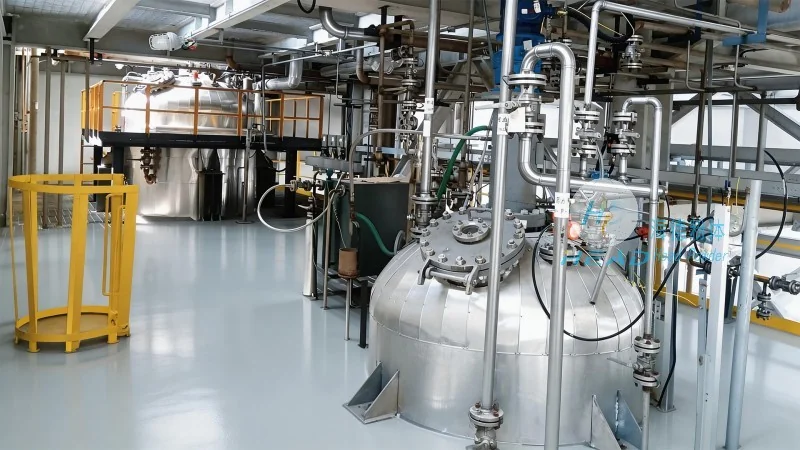
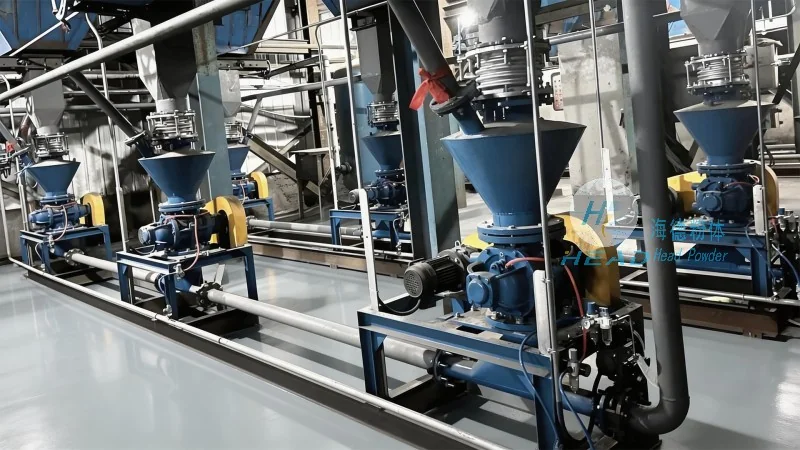
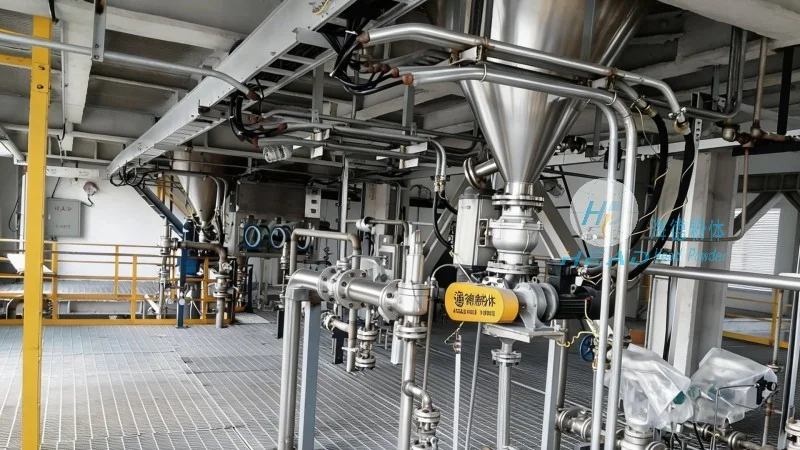
The design of a white sugar pneumatic conveying system is governed by several fundamental principles that ensure reliable and efficient operation. Engineers at HeadPowder focus on maintaining a consistent air flow rate, which is critical for transporting sugar particles without causing excessive pressure drops or blockages. This involves selecting appropriate air blowers or compressors with sufficient capacity to handle the required flow rates. The system must also be designed to minimize product degradation and contamination, which is paramount in food processing. To achieve this, all contact surfaces are typically made of stainless steel or other food-grade materials, and the system incorporates advanced filtration and dust collection mechanisms to prevent particulate matter from entering the sugar stream. Additionally, the system is designed to be scalable, allowing it to adapt to varying production volumes and operational conditions. Factors such as sugar particle size, moisture content, and the desired conveying distance are carefully considered during the design phase to ensure optimal performance. Compliance with industry safety and hygiene standards is also a key consideration, ensuring that the system meets regulatory requirements for food processing environments.