

What is a Continuous Feed Pneumatic Conveying System? And What Are Its Design Principles?
Continuous feed pneumatic conveying systems represent a sophisticated technology used in material handling and processing industries. These systems are designed to transport bulk materials from one location to another using a stream of air or other gas. The continuous feed mechanism ensures a steady and controlled flow of material, making them ideal for applications requiring consistent and efficient material transfer. This article will explore the fundamental aspects of such systems, including their design principles and operational characteristics.
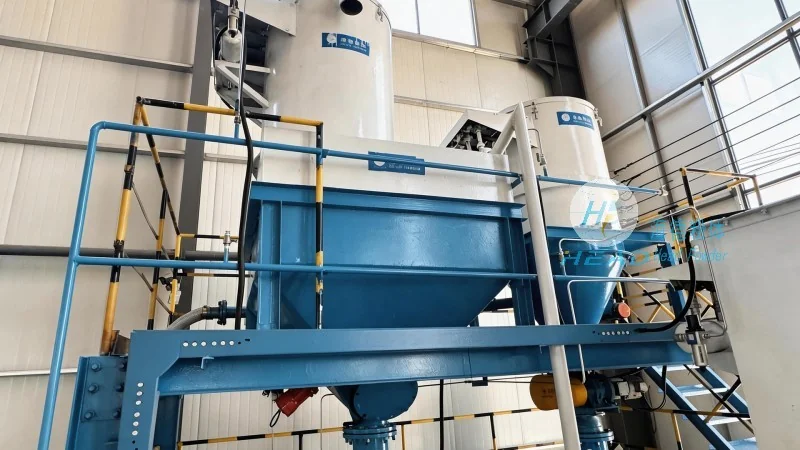
Understanding Continuous Feed Pneumatic Conveying Systems
A continuous feed pneumatic conveying system is a type of equipment that moves bulk materials through a pipeline using air or gas as the conveying medium. Unlike batch systems that transport material in discrete batches, continuous systems maintain a constant flow of material, which is particularly beneficial for high-volume applications. The core components of these systems typically include a feeding device, a conveying line, a separation or collection unit, and a gas source (such as a blower or compressor). The feeding device ensures that material is introduced into the system at a consistent rate, while the conveying line transports the material and air mixture to the destination. The separation unit then separates the material from the air, allowing the material to be collected and the air to be recycled or vented.
Key Design Principles of Continuous Feed Systems
The design of a continuous feed pneumatic conveying system is governed by several critical principles that ensure optimal performance and efficiency. First, the system must maintain a consistent pressure and flow rate to achieve steady material transport. This is achieved through the use of appropriate blower or compressor capacity, which provides sufficient air pressure to overcome the resistance in the conveying line and the material's density. Second, the system's design must account for the material's properties, such as particle size, density, and moisture content. These factors influence the air velocity required to move the material and the pressure drop along the pipeline. For example, lighter or more cohesive materials may require higher air velocities to ensure proper suspension and transport. Third, the system must incorporate effective separation and collection mechanisms to prevent material loss and maintain air quality. This often involves using cyclones, filters, or other separation devices that separate the material from the air stream, allowing the material to be discharged at the end of the line and the air to be recycled back into the system.
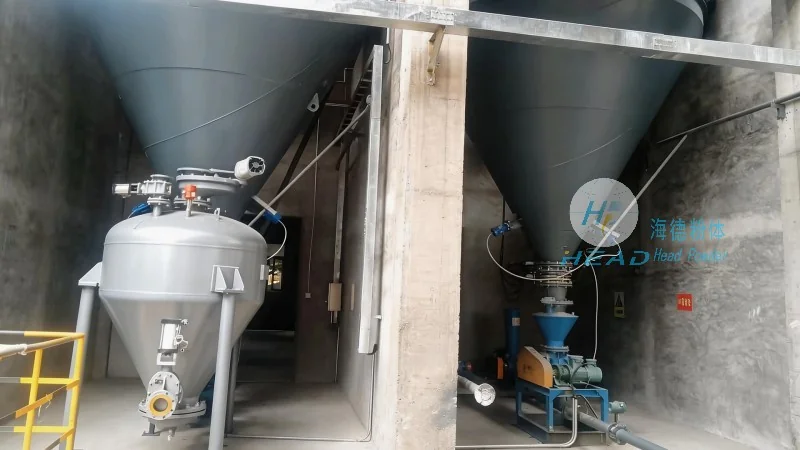
Operational Advantages of Continuous Feed Systems
Continuous feed pneumatic conveying systems offer several advantages over traditional material handling methods. One of the primary benefits is the ability to maintain a constant flow of material, which reduces downtime and increases overall productivity. This is particularly important in industries where continuous operation is critical, such as food processing, pharmaceuticals, or chemical manufacturing. Additionally, these systems are highly flexible and can be easily integrated into existing production lines. They can transport materials over long distances and through complex layouts, making them suitable for large-scale operations. Another advantage is the reduced need for manual handling, as the system automates the material transfer process, minimizing the risk of accidents and improving workplace safety. Furthermore, continuous feed systems can handle a wide range of materials, from fine powders to bulk solids, making them versatile for various applications.

Applications in Different Industries
Continuous feed pneumatic conveying systems are widely used across various industries due to their adaptability and efficiency. In the food and beverage industry, these systems are commonly used to transport ingredients like flour, sugar, or spices from storage to processing equipment. The systems ensure that the materials are handled hygienically and without contamination, which is essential for food safety regulations. In the pharmaceutical industry, continuous feed systems are used to transport active pharmaceutical ingredients (APIs) or excipients, ensuring precise and consistent dosing. The systems are designed to meet stringent cleanliness and contamination control standards, making them suitable for pharmaceutical manufacturing. In the chemical industry, these systems are used to transport bulk chemicals, such as powders or granules, from storage tanks to reactors or processing units. The ability to handle corrosive or hazardous materials safely is a key advantage in this sector. Additionally, in the mining and minerals industry, continuous feed systems are used to transport raw materials from mines to processing plants, improving the efficiency of material handling in large-scale operations.
Customization and Integration with HeadPowder Engineering
Shandong HeadPowder Engineering Co., Ltd., a leading manufacturer in the field, specializes in designing and manufacturing customized continuous feed pneumatic conveying systems tailored to specific customer needs. The company, commonly known as HeadPowder, leverages advanced engineering and manufacturing capabilities to develop systems that meet the unique requirements of various industries. With a focus on quality and innovation, HeadPowder ensures that their systems are reliable, efficient, and cost-effective. The company's expertise in material handling technology allows them to provide comprehensive solutions, including system design, installation, and maintenance services. By working closely with clients, HeadPowder engineers can optimize the system's performance, ensuring that it meets the specific operational and material handling needs of the client. The company's commitment to customer satisfaction and technical excellence has made it a trusted partner for businesses seeking reliable material handling solutions.