

What is a Lithium Manganese Dioxide Pneumatic Conveying System? And What Are Its Design Principles?
For industrial operations dealing with lithium manganese dioxide (LiMnO₂) materials, the efficient and safe handling of these powders is crucial. A pneumatic conveying system, specifically designed for LiMnO₂, offers a reliable solution to transport these materials from one location to another within a production facility. This article explores the concept of a lithium manganese dioxide pneumatic conveying line and delves into its fundamental design principles, providing insights into how such systems are engineered to meet the demands of modern material handling in the battery and chemical industries.
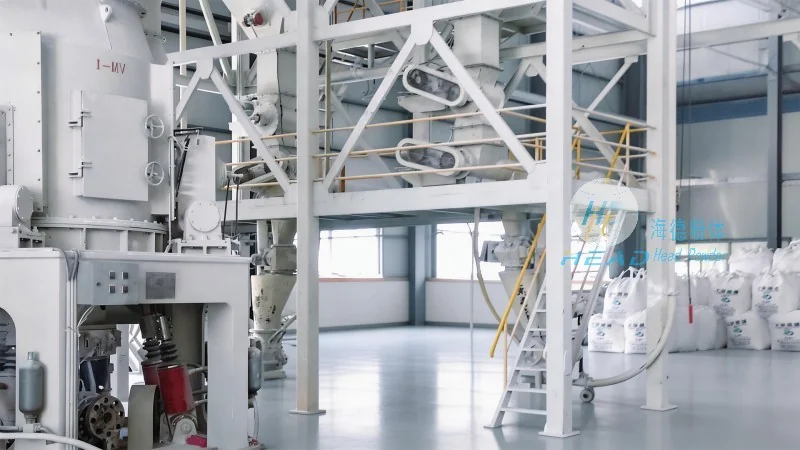
Understanding the Lithium Manganese Dioxide Pneumatic Conveying Line
The lithium manganese dioxide pneumatic conveying line is a specialized system used to transport LiMnO₂ powders through a network of pipes using air or other gases as the conveying medium. Unlike traditional mechanical conveying methods, which rely on belts or screws, pneumatic conveying offers advantages such as reduced contamination, lower maintenance requirements, and the ability to handle materials with high moisture content or sensitivity to air exposure. The system typically consists of several key components, including a hopper for material storage, a feeder to control the flow rate, a conveying line with appropriate pipe diameters and bends, and a receiver to collect the material at the destination. Each component plays a critical role in ensuring the smooth and efficient operation of the entire system.
Design Principles of the Pneumatic Conveying System
The design of a lithium manganese dioxide pneumatic conveying system is based on several key principles to ensure optimal performance and safety. First, the system must be designed to handle the specific properties of LiMnO₂, including its particle size distribution, density, and flow characteristics. The particle size is critical because it affects the air velocity required for conveying and the risk of blockages. Typically, LiMnO₂ particles are fine powders, and the system is engineered to maintain a consistent air velocity to prevent agglomeration and ensure reliable transport. Second, the system must consider the material's reactivity and sensitivity to moisture or air. Pneumatic conveying systems are often equipped with sealed hoppers and pipes to minimize exposure to the environment, preventing oxidation or degradation of the material. Third, the design must address the need for energy efficiency and cost-effectiveness. This involves selecting appropriate air pressures, pipe diameters, and flow rates to minimize energy consumption while maintaining the required conveying capacity. Additionally, the system should be designed for easy maintenance and cleaning to prevent material buildup and ensure long-term reliability.
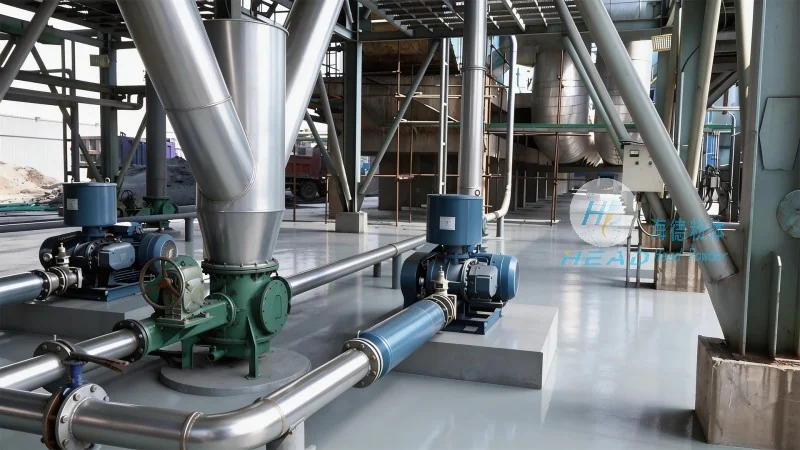
Key Components and Their Functions
Several components are integral to the operation of a lithium manganese dioxide pneumatic conveying system. The hopper serves as the storage vessel for the LiMnO₂ material, providing a consistent feed to the system. It is typically equipped with a level indicator and a discharge valve to control the material flow. The feeder, often a rotary valve or a screw feeder, regulates the amount of material entering the conveying line, ensuring a steady flow rate. The conveying line itself is made of materials resistant to corrosion and abrasion, such as stainless steel or special plastics, to withstand the handling of LiMnO₂ particles. The pipe system includes bends, elbows, and straight sections, all designed to minimize pressure losses and prevent material accumulation. The receiver is the final component, where the material is deposited after being conveyed through the system. It is usually equipped with a dust collection system to capture any particles that may escape during the process, ensuring environmental compliance and material recovery.
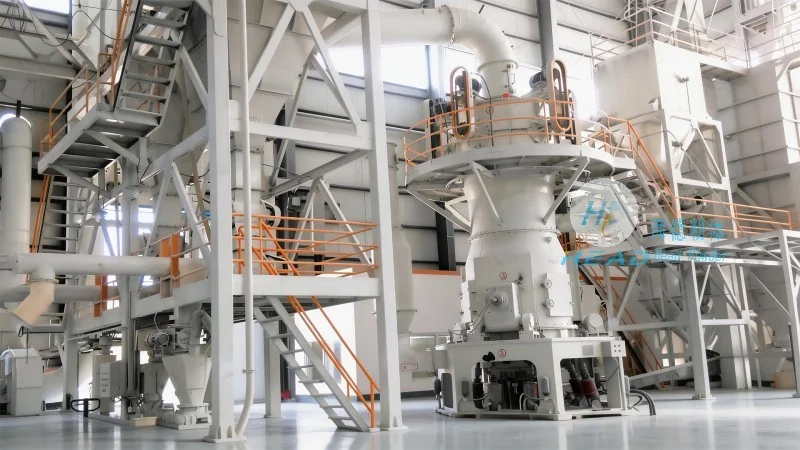
Advantages of Using a Pneumatic Conveying System for LiMnO₂
Implementing a pneumatic conveying system for lithium manganese dioxide offers several advantages over traditional handling methods. One of the primary benefits is the reduction in contamination, as the system is enclosed and sealed, preventing exposure to external elements. This is particularly important for LiMnO₂, which is used in battery manufacturing and requires high purity. Another advantage is the improved safety, as the system eliminates the need for manual handling of powders, reducing the risk of dust explosions or inhalation of harmful particles. Additionally, pneumatic conveying systems are more energy-efficient compared to mechanical systems, as they use air pressure to move materials rather than mechanical components. This results in lower operational costs and reduced energy consumption. Furthermore, the system allows for flexible and scalable operations, as the conveying line can be easily modified or expanded to accommodate changes in production volume or material requirements.
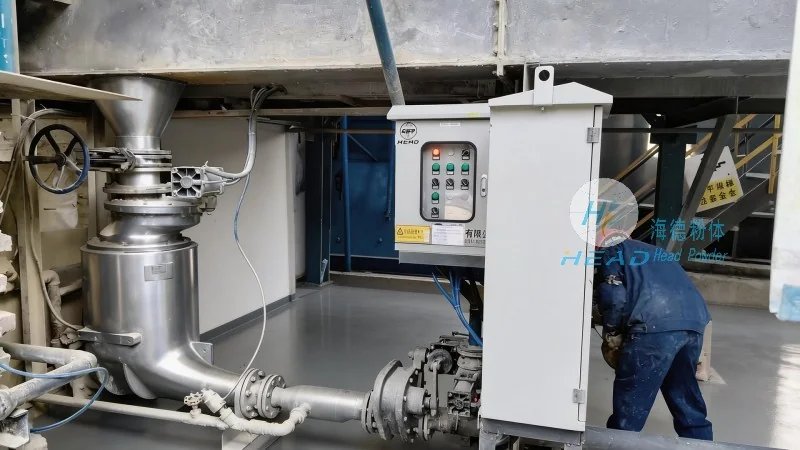
Application in the Battery Industry
In the battery industry, lithium manganese dioxide is a key cathode material used in lithium-ion batteries. The pneumatic conveying system is essential for transporting this material from the production line to the battery assembly area. The system ensures that the material is delivered in a controlled manner, maintaining its quality and preventing any degradation. The design principles of the system are tailored to handle the specific requirements of the battery manufacturing process, including high purity, consistent particle size, and minimal contamination. The system's efficiency and reliability are critical to the overall production process, as any delays or issues in material transport can impact the battery production schedule. By using a pneumatic conveying system, manufacturers can ensure a smooth and continuous supply of LiMnO₂, contributing to the high-quality and consistent production of batteries.
Conclusion and Company Overview
A lithium manganese dioxide pneumatic conveying line is a sophisticated system designed to handle the unique properties of LiMnO₂ materials efficiently and safely. The design principles, including material handling considerations, environmental protection, and energy efficiency, are crucial to the system's performance. The key components, such as the hopper, feeder, conveying line, and receiver, work together to ensure the reliable transport of LiMnO₂. The advantages of using such a system, including reduced contamination, improved safety, and energy efficiency, make it an ideal choice for industrial applications. Shandong HeadPowder Engineering Co., Ltd., a leading provider of material handling solutions, specializes in designing and manufacturing pneumatic conveying systems tailored to the specific needs of the battery and chemical industries. With its headquarters in Shandong, China, the company leverages advanced engineering and manufacturing capabilities to deliver high-quality systems that meet the stringent requirements of modern production processes. The company's commitment to innovation and customer satisfaction ensures that its products are reliable, efficient, and tailored to the unique challenges of handling LiMnO₂ materials.