

What is a Cotton Fiber Pneumatic Conveying System? And What Are Its Design Principles?
Cotton fiber pneumatic conveying systems are specialized industrial equipment designed to transport cotton fibers and related materials through a pressurized or vacuum air stream. These systems are widely used in the textile industry for efficient material handling, ensuring that cotton fibers are moved from one processing stage to another with minimal loss and optimal quality preservation. The core of such systems lies in their ability to handle the unique properties of cotton fibers, which include their lightweight, fibrous nature and susceptibility to static electricity. Understanding the design principles behind these systems is crucial for optimizing performance and ensuring reliable operation in textile manufacturing processes.
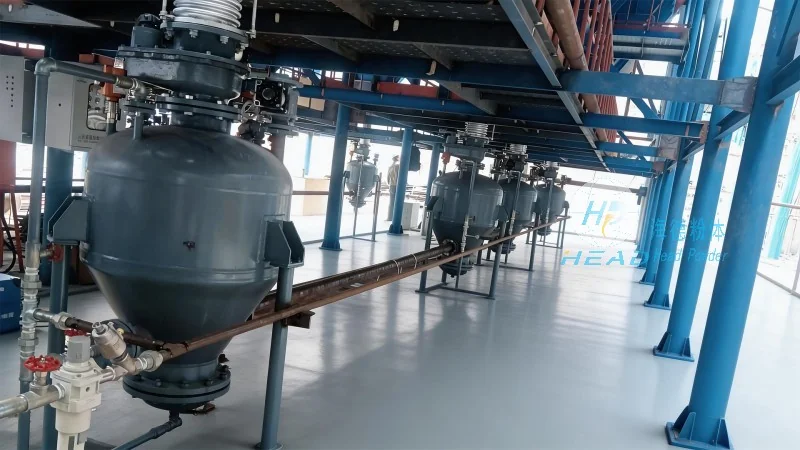
Understanding the Core Components of a Cotton Fiber Pneumatic Conveying System
A typical cotton fiber pneumatic conveying system consists of several key components that work in tandem to achieve efficient material transport. The primary components include a hopper or feeder for material storage, a blower or vacuum pump to generate the air flow, a pipeline system for transporting the fibers, and a receiver or discharge unit for the material. Each component plays a critical role in the overall functionality of the system. The hopper ensures a consistent supply of cotton fibers, while the blower provides the necessary pressure or vacuum to move the material through the pipeline. The pipeline, often made of stainless steel or other corrosion-resistant materials, is designed to withstand the abrasive nature of cotton fibers and prevent blockages. The receiver then collects the transported fibers, ready for the next stage of processing. This integrated approach ensures that the system operates smoothly and efficiently, minimizing downtime and maximizing productivity.
The Design Principles Behind Efficient Cotton Fiber Pneumatic Conveying
The design principles of cotton fiber pneumatic conveying systems are centered on optimizing air flow, material handling, and system reliability. One of the fundamental principles is the selection of appropriate air velocity and pressure. The air velocity must be high enough to overcome the resistance of the cotton fibers in the pipeline but low enough to prevent excessive wear and tear on the system components. This balance is crucial for maintaining the integrity of the fibers and ensuring the longevity of the equipment. Another key principle is the consideration of material properties, such as the moisture content and particle size of the cotton fibers. High moisture content can lead to clogging, while varying particle sizes require adjustments in the system's design to prevent uneven flow. Additionally, the system must be designed to handle static electricity, as cotton fibers are prone to generating static charges that can cause material buildup and system inefficiencies. Proper grounding and anti-static measures are therefore integral to the design, ensuring safe and reliable operation.
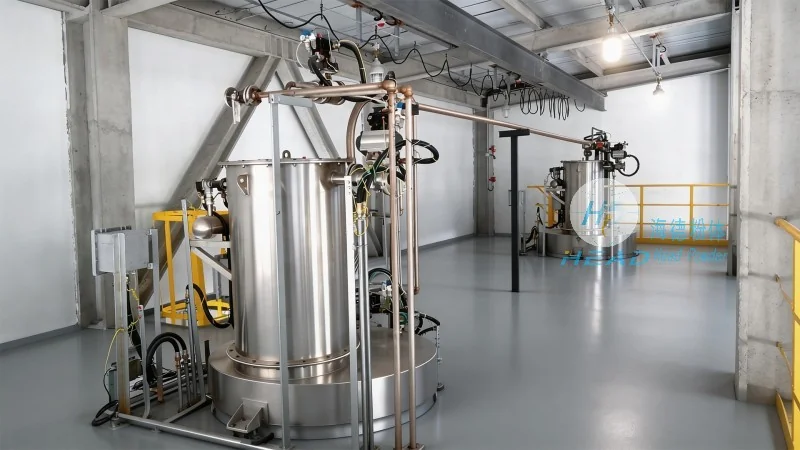
HeadPowder Engineering: Expertise in Cotton Fiber Pneumatic Conveying Solutions
Shandong HeadPowder Engineering Co., Ltd., a leading manufacturer in the field, specializes in providing high-quality cotton fiber pneumatic conveying systems tailored to the specific needs of textile manufacturers. With years of experience and a deep understanding of the industry's requirements, HeadPowder has developed innovative solutions that enhance efficiency and reliability in cotton fiber handling. The company's commitment to using advanced materials and engineering techniques ensures that their systems meet the highest standards of performance and durability. By focusing on the unique challenges of cotton fiber processing, HeadPowder has become a trusted partner for businesses seeking to optimize their material handling processes. Their expertise in system design, installation, and maintenance provides comprehensive support, helping clients achieve improved productivity and reduced operational costs. The company's facilities in Shandong, China, are equipped with state-of-the-art technology and skilled professionals who work diligently to deliver solutions that meet and exceed industry expectations.
Key Features and Benefits of Cotton Fiber Pneumatic Conveying Systems
Cotton fiber pneumatic conveying systems offer numerous advantages over traditional material handling methods. One of the primary benefits is the ability to transport materials over long distances with minimal energy consumption. Unlike mechanical conveyors, which require continuous physical contact with the material, pneumatic systems use air to move fibers, reducing wear and tear on both the material and the equipment. This results in lower maintenance costs and longer system lifespans. Another significant benefit is the improved material quality preservation. By avoiding direct contact and minimizing handling, the system reduces the risk of fiber damage, contamination, and loss, ensuring that the cotton fibers remain in optimal condition for subsequent processing stages. Additionally, the systems are highly flexible, allowing for easy integration into existing production lines and adaptation to changing production requirements. This adaptability makes them suitable for a wide range of textile applications, from raw material transport to finished product handling. The systems also contribute to a safer working environment by reducing the need for manual handling of heavy or bulky materials, thereby minimizing the risk of workplace injuries.
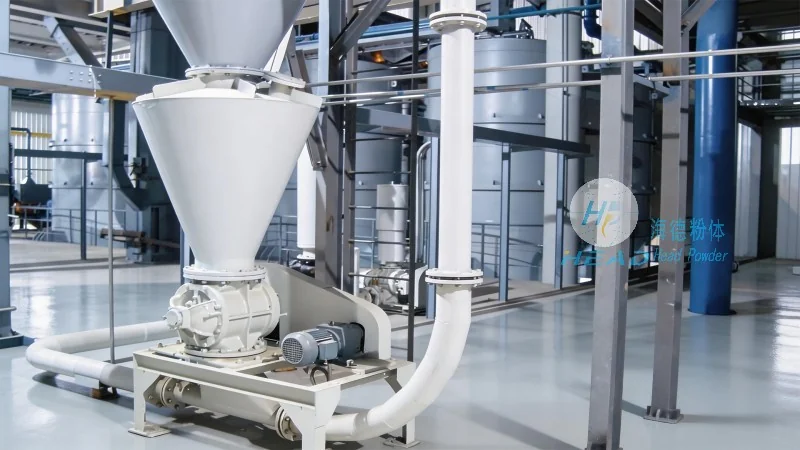
Applications and Use Cases in the Textile Industry
Cotton fiber pneumatic conveying systems are widely used in various stages of the textile manufacturing process. In the raw material stage, these systems efficiently transport cotton bales or loose fibers from storage to processing machines. This ensures a consistent supply of material, reducing downtime and improving production efficiency. During the processing stage, the systems are used to move fibers between different machines, such as carding machines, combing machines, and spinning machines. This seamless transfer of material allows for continuous production without interruptions. In the finishing stage, the systems help in transporting finished cotton products, such as yarn or fabric, from the production line to storage or packaging areas. The ability to handle both raw and finished materials makes these systems versatile and essential in modern textile operations. Furthermore, the systems are adaptable to different production scales, from small-scale textile workshops to large industrial plants, providing scalable solutions that meet the evolving needs of the industry.
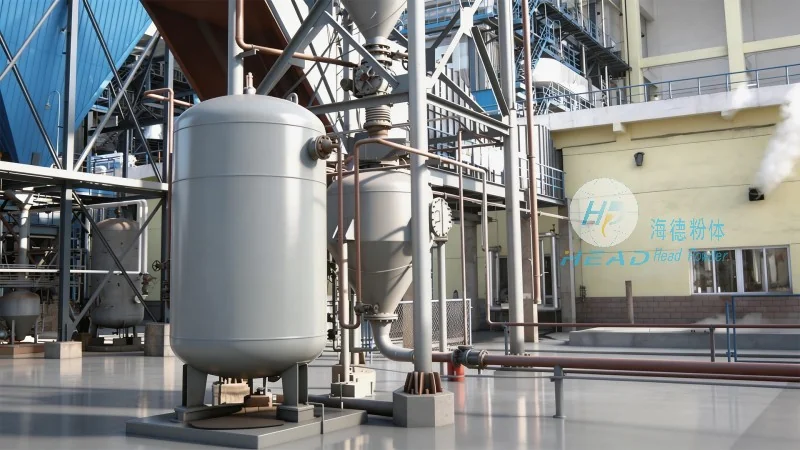
Maintenance and Operational Considerations for Cotton Fiber Pneumatic Conveying Systems
Proper maintenance and operational considerations are essential for maximizing the performance and lifespan of cotton fiber pneumatic conveying systems. Regular maintenance, including cleaning of the pipeline, checking for air leaks, and inspecting the blower or vacuum pump, is crucial to prevent system failures and ensure consistent operation. The pipeline should be cleaned periodically to remove any accumulated cotton fibers or debris that could cause blockages or reduce air flow efficiency. Additionally, the blower or vacuum pump should be checked for proper functioning, as any issues with air pressure can impact the system's performance. It is also important to monitor the system's air flow and pressure regularly, as changes in these parameters can indicate potential problems. Proper training of operators on the system's operation and maintenance is another key aspect, as knowledgeable personnel can identify and address issues before they escalate into major problems. By adhering to these maintenance and operational guidelines, textile manufacturers can ensure that their cotton fiber pneumatic conveying systems operate at peak efficiency, reducing downtime and enhancing overall productivity.
Future Trends and Innovations in Cotton Fiber Pneumatic Conveying Technology
As the textile industry continues to evolve, so too does the technology behind cotton fiber pneumatic conveying systems. Future trends are focused on enhancing efficiency, sustainability, and automation. One of the key innovations is the integration of advanced sensors and monitoring systems that provide real-time data on system performance. These sensors can detect changes in air flow, pressure, and material flow, allowing for immediate adjustments and preventing potential issues before they occur. Another trend is the use of more energy-efficient components, such as high-efficiency blowers and vacuum pumps, which reduce energy consumption and lower operational costs. Additionally, the adoption of smart technology, including IoT (Internet of Things) connectivity, enables remote monitoring and control of the systems, improving operational flexibility and reducing the need for on-site maintenance. These innovations not only enhance the performance of the systems but also contribute to a more sustainable and environmentally friendly textile industry. As technology advances, cotton fiber pneumatic conveying systems are likely to become even more integral to textile manufacturing, providing solutions that meet the demands of modern production while ensuring long-term efficiency and reliability.