

What is a Sodium Phosphate Pneumatic Conveying Machine? What Are Its Design Principles?
Sodium phosphate is a widely used chemical in various industrial applications, from food processing to chemical manufacturing. The efficient and safe transportation of this material is crucial for maintaining production efficiency and ensuring product quality. Pneumatic conveying machines, specifically designed for sodium phosphate, offer a reliable solution to handle this material with precision and minimal risk. This article explores the concept of a sodium phosphate pneumatic conveying machine and delves into its fundamental design principles, highlighting how such equipment can optimize material handling processes.
Understanding Pneumatic Conveying Technology
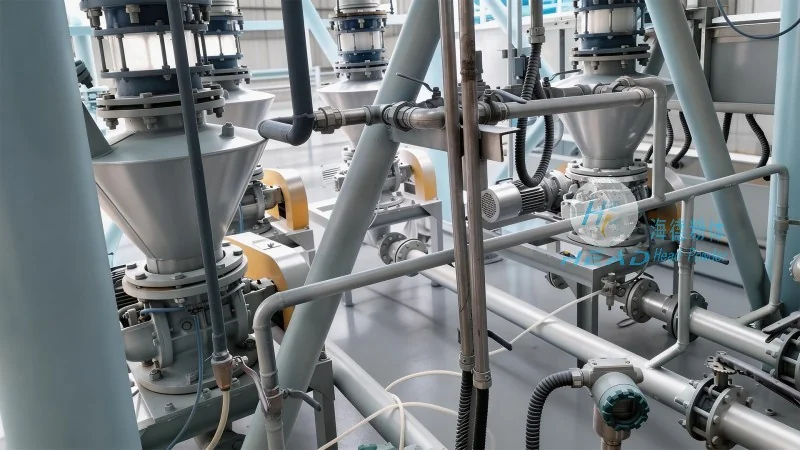
Pneumatic conveying is a method of transporting bulk materials through a pipeline using compressed air or other gases. Unlike traditional mechanical conveyors, which rely on belts or screws, pneumatic systems use air pressure to move material, making them ideal for handling fine powders like sodium phosphate. The core components of a pneumatic conveying system include a hopper for material storage, a conveyor line, a venturi or airlock for material acceleration, and a receiver for product collection. Each component works in tandem to ensure smooth and continuous material flow.
Design Principles for Sodium Phosphate Pneumatic Conveying Machines
The design of a sodium phosphate pneumatic conveying machine is tailored to address the unique properties of this chemical. Key design considerations include material compatibility, pressure requirements, and system efficiency. For sodium phosphate, which is hygroscopic and can be sensitive to moisture, the equipment must be constructed from materials that resist corrosion and prevent contamination. Stainless steel or specialized alloys are commonly used for the hopper, conveyor line, and other components to ensure durability and maintain product purity. Additionally, the system is engineered to handle the specific flow characteristics of sodium phosphate, such as its particle size and density, to minimize blockages and ensure consistent performance.
Key Components and Their Functions
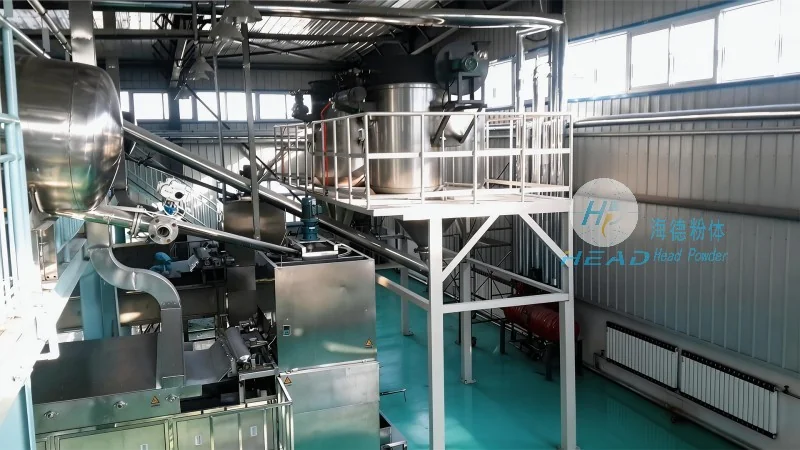
Several critical components make up a sodium phosphate pneumatic conveying machine, each playing a vital role in the overall operation. The material hopper is the starting point, where sodium phosphate is stored before being fed into the system. It is designed with a smooth interior to prevent material buildup and is equipped with a feeding mechanism, such as a rotary valve or screw feeder, to control the flow rate. The conveyor line, typically made of flexible or rigid tubing, transports the material from the hopper to the venturi or airlock. The venturi, a conical section where compressed air is introduced, accelerates the material, ensuring it moves efficiently through the pipeline. The airlock, often a rotary valve or a pressure vessel, separates the material from the air stream, allowing for controlled discharge into the receiver. The receiver, usually a storage tank or processing vessel, collects the conveyed sodium phosphate, ready for the next stage of production.
Advantages of Using a Sodium Phosphate Pneumatic Conveying Machine
Implementing a pneumatic conveying system for sodium phosphate offers numerous advantages over traditional methods. One of the primary benefits is the ability to handle fine powders without the need for mechanical contact, reducing the risk of material degradation or contamination. The system also provides a dust-free and enclosed environment, enhancing workplace safety and compliance with environmental regulations. Furthermore, pneumatic conveying allows for precise control over material flow rates, enabling manufacturers to adjust production speeds according to demand. This flexibility is particularly valuable in industries where sodium phosphate is used in varying quantities or for different applications. Additionally, the system is compact and can be integrated into existing production lines, minimizing the need for extensive facility modifications.
Application Examples in Industrial Settings
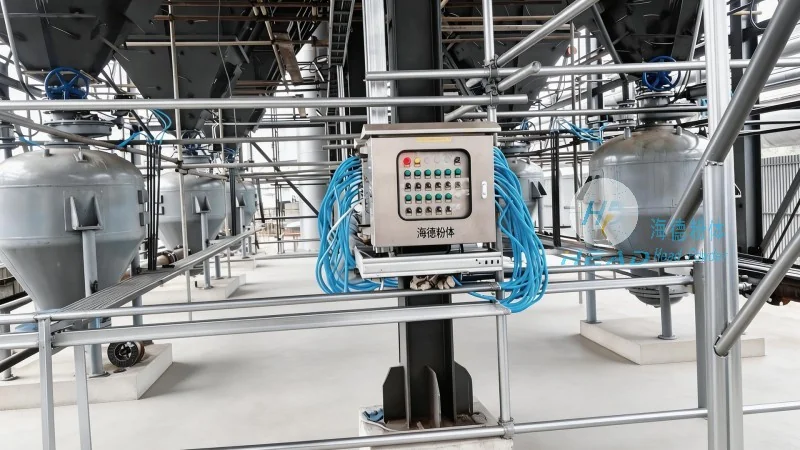
Sodium phosphate pneumatic conveying machines are widely used in various industrial sectors. In the food industry, they are employed to transport sodium phosphate used as a food additive, ensuring it reaches processing equipment without contamination. In chemical manufacturing, the system is used to handle sodium phosphate in the production of detergents, fertilizers, and other chemical products. The pharmaceutical industry also benefits from such equipment, as it allows for the safe and sterile transport of sodium phosphate used in drug formulations. Each application requires a customized design to meet specific process requirements, such as flow rates, particle size, and environmental conditions.
Maintenance and Operational Considerations
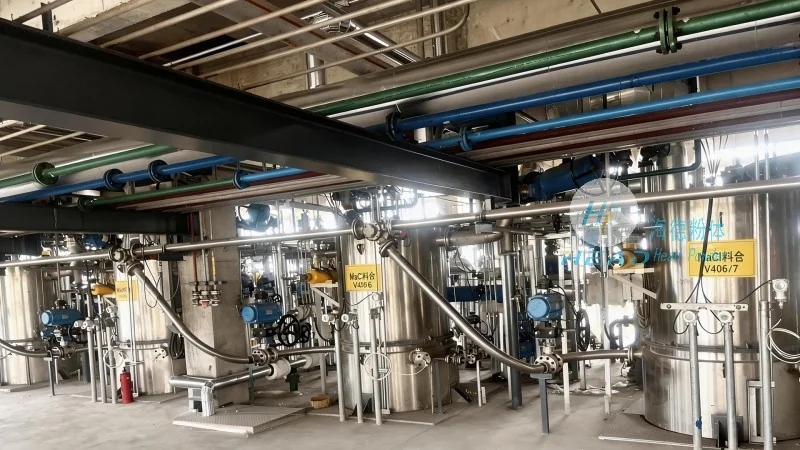
Proper maintenance is essential to ensure the longevity and efficiency of a sodium phosphate pneumatic conveying machine. Regular cleaning of the hopper, conveyor line, and venturi is necessary to prevent material buildup and maintain optimal performance. The system should be inspected periodically for signs of wear or damage, particularly in components exposed to the chemical's corrosive properties. Additionally, monitoring air pressure and flow rates is crucial to detect any issues early and prevent system failures. Proper training for operators is also important to ensure safe and effective operation. By following these maintenance practices, manufacturers can maximize the lifespan of their equipment and minimize downtime.
Conclusion
Sodium phosphate pneumatic conveying machines are a vital component in modern industrial operations, providing an efficient and safe method for handling this essential chemical. The design principles behind these systems, including material compatibility, pressure management, and precise control, ensure optimal performance and product quality. As industries continue to rely on sodium phosphate for various applications, the importance of reliable material handling equipment cannot be overstated. Companies like Shandong HeadPowder Engineering Co., Ltd., based in China, specialize in designing and manufacturing such equipment, offering tailored solutions to meet the unique needs of their clients. By investing in a well-designed pneumatic conveying system, manufacturers can enhance their production processes, improve safety, and maintain compliance with industry standards.