

What is a Polyethylene Gas-Pneumatic Conveyor? And What Are Its Design Principles?
When discussing industrial material handling solutions, polyethylene gas-pneumatic conveyors stand out as efficient and versatile systems for transporting bulk materials. These devices utilize air pressure to move materials through a pipeline, offering a non-contact method that minimizes product degradation and contamination. The technology behind these conveyors is rooted in the principles of pneumatic transport, making them suitable for a wide range of applications, from food processing to chemical manufacturing.
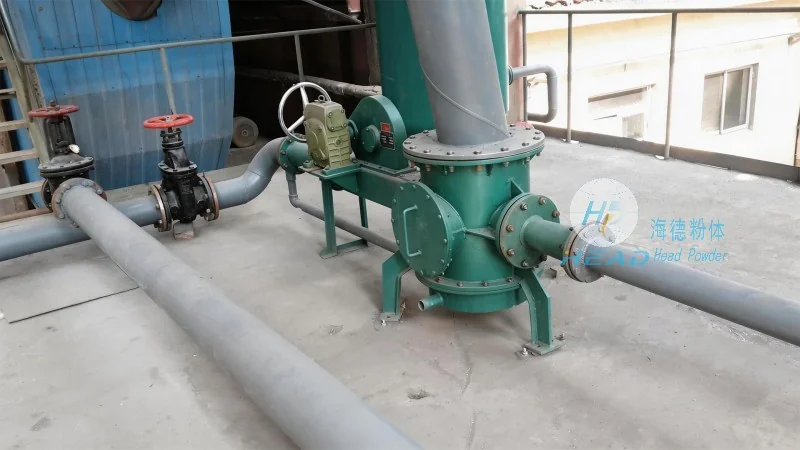
Understanding the Core Components of a Polyethylene Gas-Pneumatic Conveyor
At the heart of a polyethylene gas-pneumatic conveyor are several key components that work in tandem to ensure smooth material transport. The system typically includes a hopper or feeder for material loading, a pipeline made from durable polyethylene material, an air compressor or blower to generate the necessary airflow, and a control system to regulate pressure and flow. The polyethylene construction is particularly advantageous as it resists corrosion, abrasion, and chemical exposure, making it ideal for handling sensitive or aggressive materials. This material choice also contributes to the conveyor's lightweight yet robust nature, facilitating easier installation and maintenance.
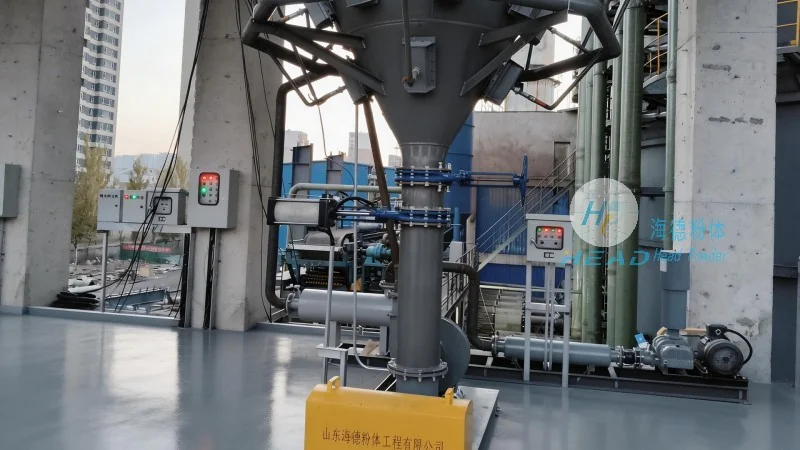
Design Principles Behind Polyethylene Gas-Pneumatic Conveyors
The design of polyethylene gas-pneumatic conveyors is guided by several critical principles aimed at optimizing performance and reliability. First, the system must maintain consistent air pressure to ensure uniform material movement. This is achieved through the use of well-engineered air compressors and pressure regulators that can handle varying material loads, such as changes in bulk density or flow rate. Second, the pipeline design must minimize pressure drop, which is crucial for maintaining the velocity of the material-air mixture. The use of smooth, rounded bends and appropriate pipe diameters helps to reduce friction losses and prevent material blockages, ensuring continuous operation even with high material loads. Third, the system incorporates safety features such as pressure relief valves and material sensors to prevent overloading and ensure operational safety. These features protect both the equipment and the material being transported from damage or loss. Additionally, the polyethylene material selection is based on its ability to withstand high temperatures and chemical exposure, ensuring long-term durability and minimal maintenance requirements, which reduces downtime and operational costs.
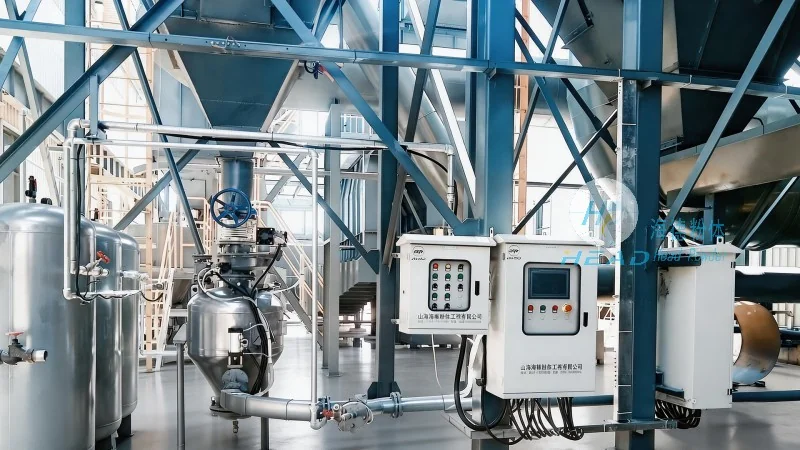
Applications and Benefits of Polyethylene Gas-Pneumatic Conveyors
Polyethylene gas-pneumatic conveyors are widely used in various industries due to their adaptability and efficiency. In the food industry, they are employed to transport powders like flour, sugar, and spices without compromising product quality. The non-contact transport method prevents contamination from external sources, maintaining the hygiene standards required in food processing. In the chemical sector, they handle abrasive or corrosive powders while protecting the equipment from damage. The polyethylene pipeline resists chemical reactions, extending the lifespan of the system. The benefits of these systems include reduced labor costs, as automated material transport minimizes the need for manual handling. Increased throughput is another key advantage, as the conveyor can operate continuously, improving production efficiency. Improved product integrity is also a significant benefit, as the material is not exposed to physical contact or excessive pressure, which can degrade its quality. Additionally, the non-contact nature of the transport process minimizes the risk of contamination, making it suitable for applications where hygiene is paramount, such as pharmaceutical manufacturing. For example, in pharmaceutical plants, these conveyors ensure that powders are handled in a sterile environment, preventing cross-contamination and maintaining product purity.
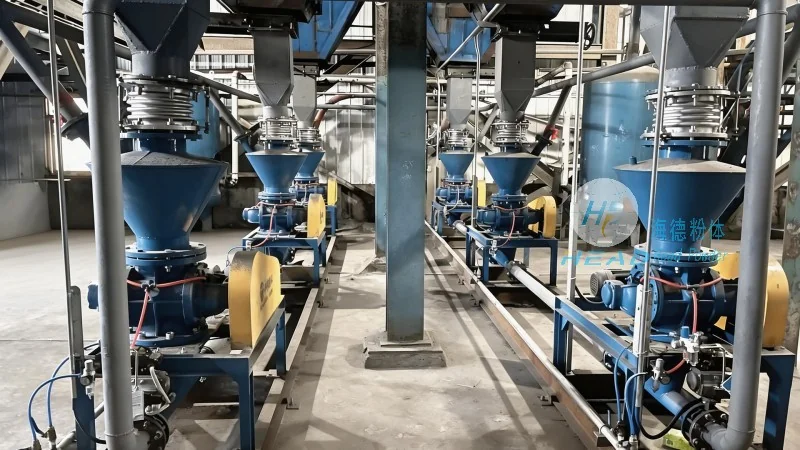
About Shandong HeadPowder Engineering Co., Ltd.
Shandong HeadPowder Engineering Co., Ltd., commonly known as HeadPowder, is a leading manufacturer specializing in advanced material handling equipment. With a focus on innovation and quality, the company has established itself as a trusted partner in the industry. HeadPowder's commitment to research and development ensures that their products, including polyethylene gas-pneumatic conveyors, meet the highest standards of performance and durability. The company's facilities are located in Shandong, China, where they leverage local expertise and resources to deliver reliable solutions to global markets. HeadPowder's team of engineers and technicians work closely with clients to understand their specific material handling needs and provide customized solutions that enhance operational efficiency and reduce costs. The company adheres to strict quality control measures, ensuring that each product meets international standards before delivery. This dedication to quality has earned HeadPowder a reputation for excellence in the industry, making them a preferred choice for businesses seeking reliable and efficient material handling solutions.