

What is a Sugar Pneumatic Conveying System and Its Design Principles?
For industries involved in bulk sugar handling, understanding the sugar pneumatic conveying system is essential. This equipment provides an efficient and reliable method for transporting sugar particles through an air-driven mechanism, enabling the movement of large quantities of sugar from one location to another with minimal operational challenges.
What is a Sugar Pneumatic Conveying System?
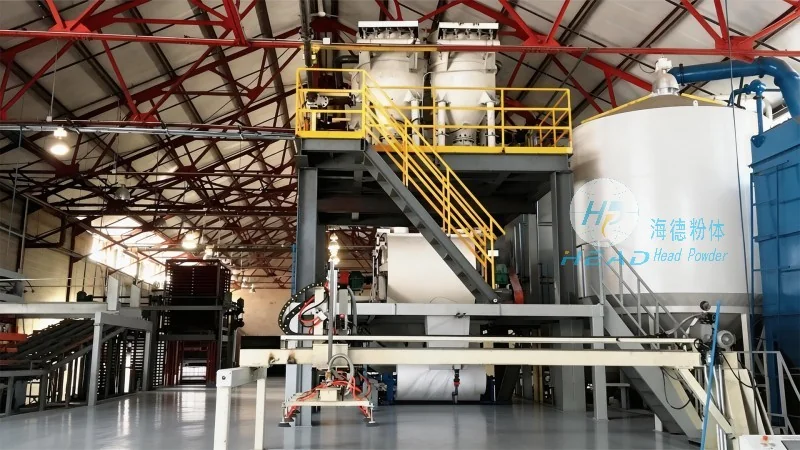
A sugar pneumatic conveying system is a specialized material handling equipment that utilizes compressed air or gas to transport sugar. Unlike traditional conveyors such as belt or bucket elevators, this system relies on the force of air to push sugar particles through a pipeline network. The system typically consists of a hopper for sugar storage, a blower or compressor to generate air pressure, a pipeline system with necessary fittings, and a discharge point for sugar release. The hopper is equipped with a feeding mechanism (e.g., rotary valve or screw feeder) to control the flow of sugar into the pipeline, ensuring consistent and controlled transport.
Key Components and Their Functions
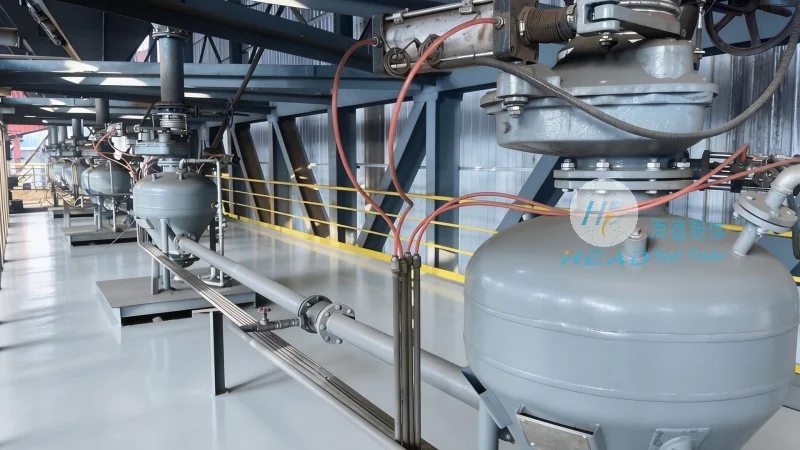
The performance of a sugar pneumatic conveying system hinges on its key components, each designed to optimize the conveying process. The hopper is the primary storage unit, often made of stainless steel or other corrosion-resistant materials to prevent sugar degradation. It is connected to a feeder that regulates the sugar flow into the pipeline, preventing blockages and maintaining a steady feed rate. The blower or compressor is the heart of the system, generating the necessary air pressure to move the sugar. Positive displacement blowers are commonly used for fine powders like sugar, as they provide consistent pressure and flow. The pipeline system includes main and auxiliary lines, with bends and elbows that direct the sugar to the discharge point. The discharge point may be a silo or storage tank, where the sugar is collected before further processing.
Design Principles and Engineering Considerations
The design of a sugar pneumatic conveying system is based on several critical principles tailored to the specific characteristics of sugar. These include the sugar's particle size, density, moisture content, and the required conveying distance. Engineers must calculate the pressure drop across the pipeline, which is the reduction in air pressure as sugar travels through the system. This drop is influenced by pipeline length, diameter, and the number of fittings and bends. The system must be designed to maintain sufficient air pressure to overcome this drop and achieve the desired flow rate. Additionally, the system's design considers the sugar's hygroscopic nature, ensuring that the equipment is sealed and moisture-resistant to prevent clumping or degradation.
Advantages of Implementing a Sugar Pneumatic Conveying System
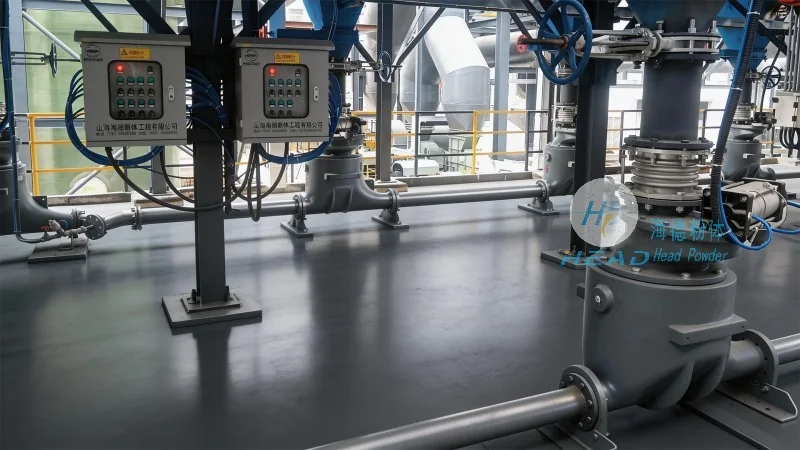
Adopting a sugar pneumatic conveying system offers numerous benefits for sugar processing facilities. First, it enhances operational efficiency by enabling high-volume, continuous transport of sugar over long distances with minimal energy consumption. Second, the system is highly hygienic and clean, as it avoids direct contact with the sugar, reducing the risk of contamination and ensuring compliance with food safety standards. Third, the system is flexible and adaptable, allowing adjustments to accommodate different sugar types or changes in production rates. Fourth, it minimizes material handling losses and reduces the need for manual labor, leading to cost savings and improved workplace safety.
Applications in Sugar Processing
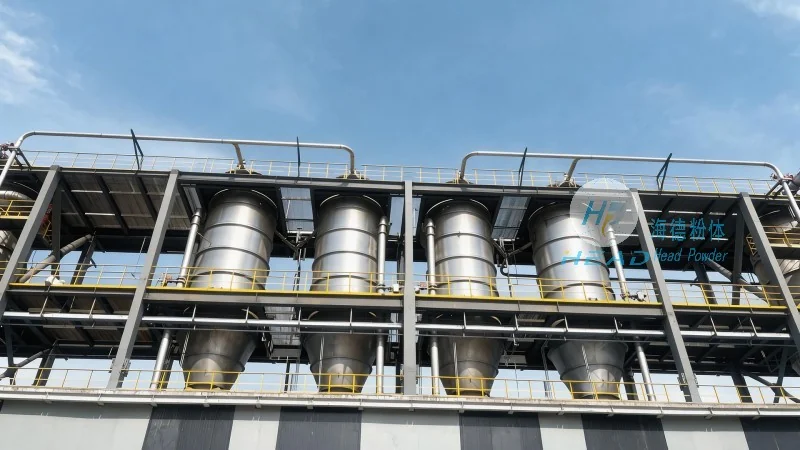
Sugar pneumatic conveying systems are widely used in various stages of sugar production and processing. In sugar refineries, they transport raw sugar from storage silos to processing equipment such as juice extractors or crystallizers. In sugar mills, the system moves processed sugar from processing units to storage tanks or packaging lines. The system is also utilized in food processing plants for transporting sugar used in confectionery, beverages, or other food products. Whether handling dry granulated sugar or powdered sugar, the system can be customized to meet the specific requirements of each application.
Conclusion
In summary, a sugar pneumatic conveying system is a vital piece of equipment for industries focused on bulk sugar handling. Developed by Shandong HeadPowder Engineering Co., Ltd. (headpowder), this system is engineered to deliver reliable, efficient, and hygienic sugar transport solutions. By adhering to sound design principles and considering the unique properties of sugar, the system ensures optimal performance and longevity. For sugar processing facilities seeking to improve their material handling processes, investing in a well-designed pneumatic conveying system is a strategic decision that enhances productivity, reduces costs, and maintains product quality.