

Coking Coal Pneumatic Conveying System Equipment: Exploring Its Function and Design Principles
For industrial operations dealing with bulk materials like coking coal, efficient and reliable material handling is crucial. A coking coal pneumatic conveying system equipment represents a sophisticated solution designed to transport coking coal from one location to another within a facility or between different industrial sites. This system utilizes air as the primary medium to move the coal, offering advantages such as reduced labor costs, minimized material loss, and enhanced safety compared to traditional mechanical conveying methods.
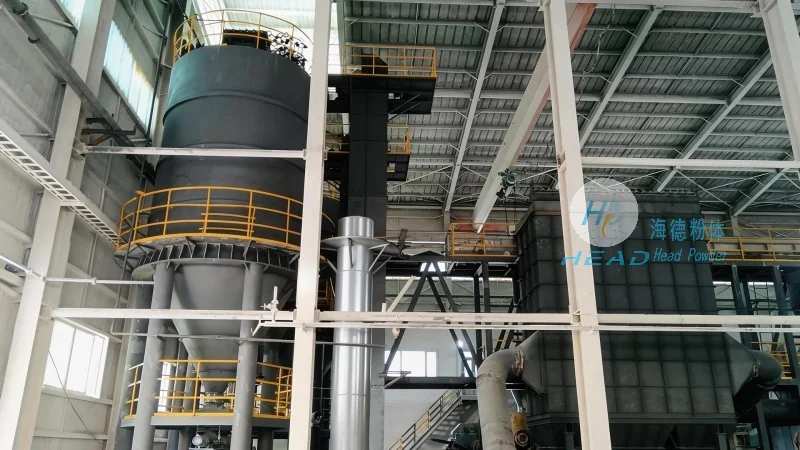
Understanding the Core Components of a Coking Coal Pneumatic Conveying System
The coking coal pneumatic conveying system equipment typically consists of several key components that work in tandem to achieve effective material transport. These components include a hopper or feeder for material storage and feeding, a blower or air compressor to generate the necessary air pressure, a pipeline network to guide the coal-air mixture, and a receiver or discharge unit for material collection. Each component plays a vital role in ensuring the system operates smoothly and efficiently.
The Design Principle Behind Coking Coal Pneumatic Conveying
The design principle of a coking coal pneumatic conveying system equipment revolves around the fundamental concept of using air to create a flow of material. The system operates by creating a pressure differential between the feeding and discharge points. When the blower generates high-pressure air, it draws the coking coal particles into the pipeline, where they are carried along by the air stream. The design must consider factors such as the particle size, density, and moisture content of the coking coal, as these characteristics influence the air velocity required for effective transport. Proper design ensures that the air velocity is sufficient to prevent particle deposition in the pipeline while minimizing energy consumption.
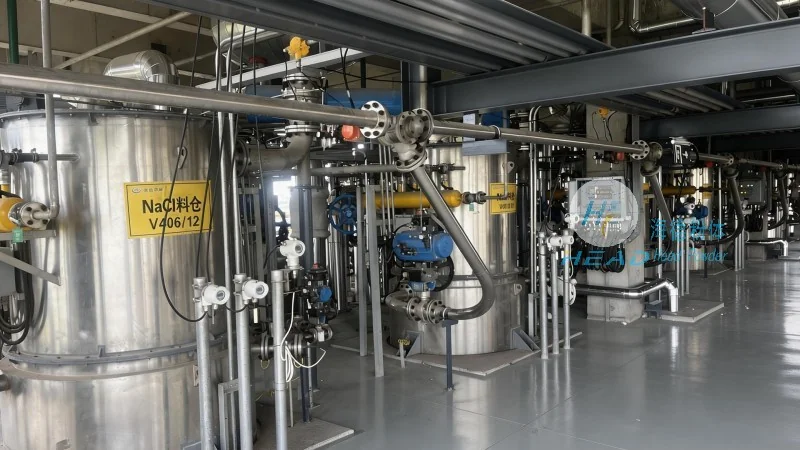
Key Advantages of Using a Coking Coal Pneumatic Conveying System
Implementing a coking coal pneumatic conveying system equipment offers several advantages for industrial applications. Firstly, it provides a dust-free and enclosed transport environment, which improves workplace safety and reduces environmental contamination. Secondly, the system allows for flexible layout designs, as the pipeline can be installed in various configurations to accommodate different facility layouts. Thirdly, it reduces material handling time and labor costs, as the automated process minimizes the need for manual intervention. Additionally, the system can handle a wide range of coking coal qualities, making it versatile for different industrial needs.
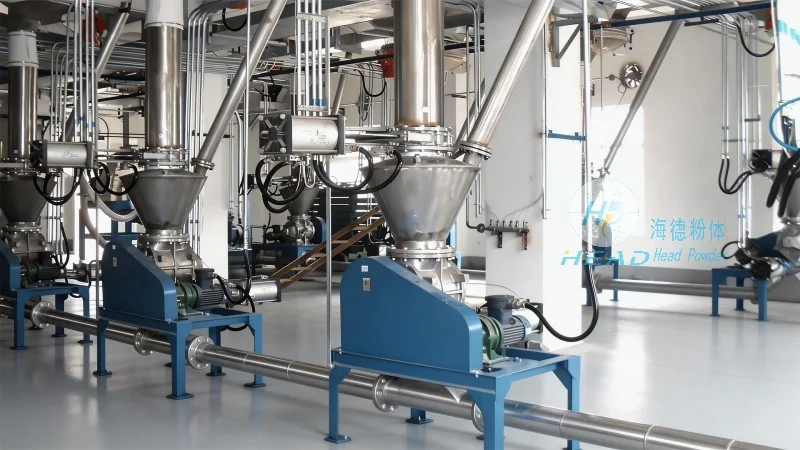
Applications and Industries Utilizing Coking Coal Pneumatic Conveying Systems
Coking coal pneumatic conveying systems are widely used in various industries that rely on bulk material handling. In the steel industry, for example, these systems are essential for transporting coking coal to coke ovens, where it is used in the production of coke, a critical fuel and reducing agent in iron and steel manufacturing. Other industries that benefit from such systems include power generation, where coking coal is used as a fuel in thermal power plants, and chemical processing, where the coal may be used as a raw material in various chemical reactions.
Customization and Integration with Existing Facilities
Shandong HeadPowder Engineering Co., Ltd., a leading manufacturer of coking coal pneumatic conveying system equipment, understands that each industrial facility has unique requirements. The company offers customized solutions tailored to the specific needs of clients, ensuring that the system integrates seamlessly with existing infrastructure. Whether it's a new installation or an upgrade to an existing material handling system, HeadPowder provides comprehensive design, manufacturing, and installation services to meet the demands of various industrial applications.