

High-Pressure Powder Handling: Understanding Its Design Principles
High-pressure powder handling is a specialized field within material handling that focuses on the efficient and safe transportation of bulk powders through pressurized systems. This technology is critical in various industries, including pharmaceuticals, food processing, and chemical manufacturing, where maintaining product integrity and ensuring consistent flow are paramount. The design principles behind high-pressure powder handling systems are intricate, combining engineering expertise with material science to address the unique challenges of handling powders under pressure.

Key Components of High-Pressure Powder Handling Systems
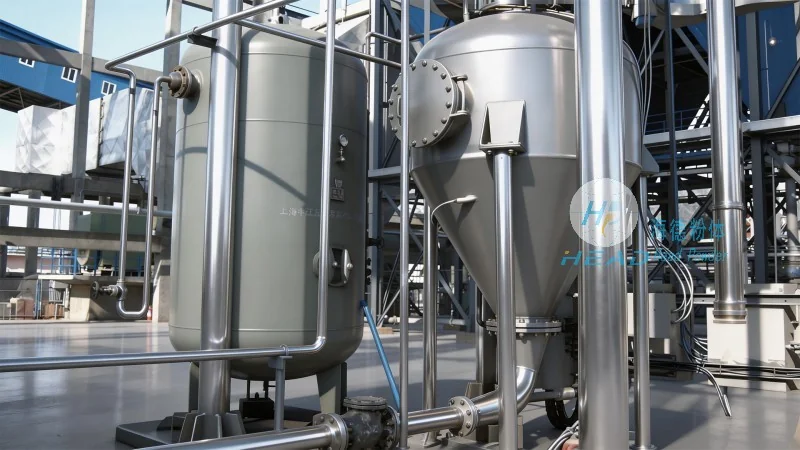
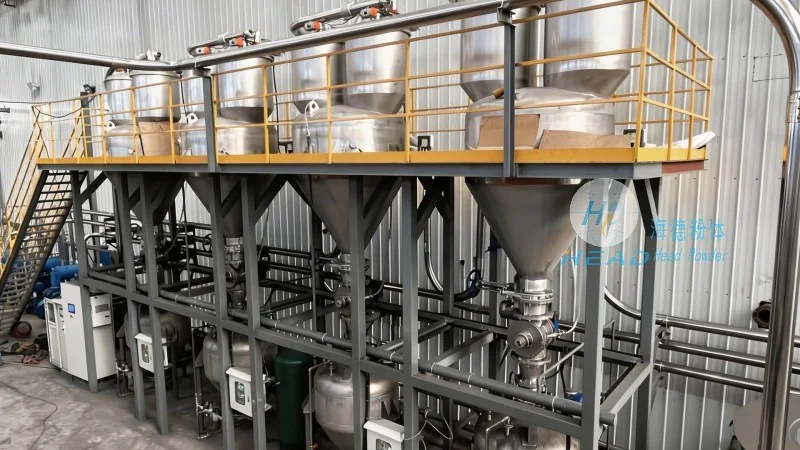
At the heart of any high-pressure powder handling system are several key components that work in tandem to ensure reliable operation. The primary elements include a high-pressure pump, which generates the necessary force to move the powder through the pipeline. This pump is typically designed to handle the specific characteristics of the powder, such as particle size, density, and flowability. Additionally, a pressure vessel or hopper is used to store the powder before it is fed into the system, ensuring a continuous supply. The pipeline itself is constructed from materials that can withstand the high pressures and potential abrasion from the powder particles, often made of stainless steel or other corrosion-resistant alloys.
Design Principles for Efficient Powder Transport
The design of high-pressure powder handling systems follows several fundamental principles aimed at optimizing performance and minimizing issues like clogging or material degradation. One critical principle is the use of a consistent and controlled pressure gradient. By maintaining a steady pressure throughout the system, the risk of particle segregation or agglomeration is reduced, which can lead to uneven flow and system inefficiencies. Another key principle is the incorporation of flow aids, such as agitators or vibrators, which help to keep the powder in a fluidized state, preventing it from settling or forming clumps. The system design also considers the need for proper sealing and leak prevention, as high-pressure environments require tight seals to avoid contamination and energy loss.
Applications and Industries Benefiting from High-Pressure Powder Handling
High-pressure powder handling systems are widely used across multiple industries due to their ability to handle a broad range of powders with precision. In the pharmaceutical industry, these systems are essential for transporting active pharmaceutical ingredients (APIs) and excipients, ensuring that the final product is free from contamination and maintains its quality. In food processing, they are used for handling ingredients like flour, sugar, and spices, where maintaining the purity and consistency of the product is crucial. The chemical manufacturing sector also relies on high-pressure powder handling for transporting raw materials and intermediates, particularly in processes that involve reactive or sensitive powders. Each application requires a tailored system design to meet specific regulatory and operational requirements.
Advantages of High-Pressure Powder Handling Systems
Implementing a high-pressure powder handling system offers several advantages over traditional methods, such as pneumatic or gravity-based systems. One of the most significant benefits is the ability to handle difficult-to-flow powders, including those with high moisture content or cohesive properties. By applying pressure, the system can overcome the natural resistance of the powder, ensuring smooth and continuous transport. Another advantage is the reduction in system downtime and maintenance costs. High-pressure systems are designed for durability and reliability, with components that are less prone to clogging and easier to clean. This leads to increased operational efficiency and lower long-term costs for businesses. Additionally, these systems can be integrated with automation and control systems, allowing for real-time monitoring and adjustment of parameters, further enhancing performance and safety.
Considerations for Design and Implementation
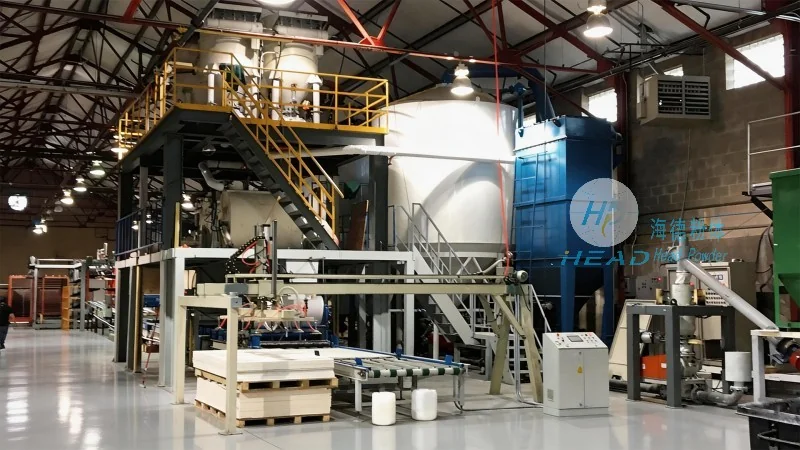
When designing and implementing a high-pressure powder handling system, several factors must be carefully considered to ensure optimal performance and safety. The first consideration is the selection of the appropriate pump type, which depends on the powder's properties and the required flow rate. Centrifugal pumps are commonly used for high-volume applications, while positive displacement pumps are preferred for handling viscous or abrasive powders. The pipeline diameter and material are also critical, as they affect the pressure drop and overall system efficiency. Additionally, the system must be designed to accommodate potential variations in powder characteristics, such as changes in moisture content or particle size, which can impact flow behavior. Proper maintenance and regular inspections are essential to prevent issues like wear and tear or component failure, ensuring the system operates at peak performance.
Conclusion: The Role of High-Pressure Powder Handling in Modern Manufacturing
High-pressure powder handling systems represent a sophisticated solution to the challenges of bulk powder transportation, playing a vital role in modern manufacturing processes. By adhering to sound design principles and leveraging advanced engineering, these systems enable industries to handle powders efficiently, safely, and with minimal loss. The expertise of companies like Shandong HeadPowder Engineering Co., Ltd. in designing and implementing such systems is crucial for businesses seeking to optimize their material handling operations. With a focus on quality and innovation, companies like headpowder continue to advance the technology, ensuring that high-pressure powder handling remains a reliable and effective solution for the future of industrial processing.