

What is Silica Fume Powder Handling? And What Are Its Design Principles?
When it comes to the efficient and safe transportation of silica fume, a specialized approach is essential. Silica fume, also known as microsilica, is a byproduct of silicon metal production and is widely used in concrete and other construction materials due to its high surface area and pozzolanic properties. Proper handling of this fine powder is critical to ensure quality control, minimize dust emissions, and maintain operational efficiency in industrial settings.
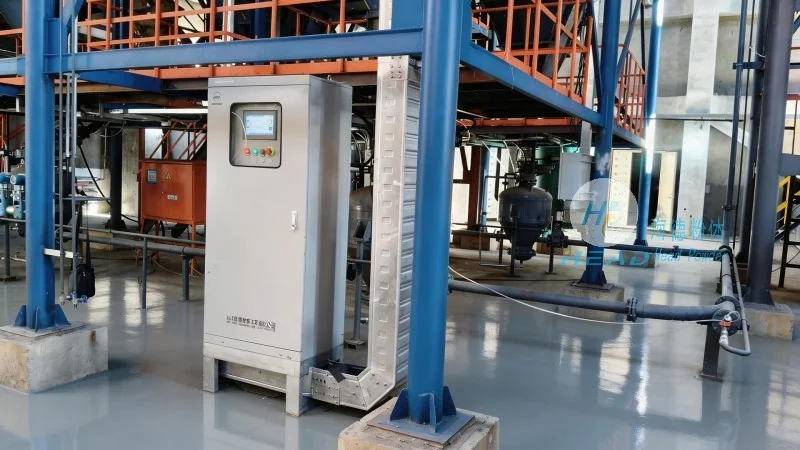
Understanding Silica Fume and Its Handling Requirements
Silica fume is a highly fine, abrasive powder with a particle size typically ranging from 0.1 to 0.2 micrometers. This ultra-fine nature makes it prone to agglomeration and dust generation during handling. The material is also hygroscopic, meaning it can absorb moisture from the air, which can affect its flowability and storage stability. These characteristics necessitate the use of specialized equipment and design strategies to manage the powder effectively.
Core Design Principles for Efficient Silica Fume Powder Handling Systems
The design of a silica fume powder handling system revolves around several key principles aimed at optimizing performance and safety. First, the system must ensure minimal dust generation and proper containment to comply with environmental regulations and maintain workplace safety. This often involves the use of sealed conveying systems, such as pneumatic conveying or mechanical screw conveyors, which can transport the powder without exposing it to the air.
Second, the design must address the material's flowability. Silica fume can be prone to bridging and rat-holing in hoppers and silos, which can lead to blockages and operational disruptions. To mitigate this, the system incorporates features like vibration devices, air knives, or fluidization systems to promote consistent flow. Additionally, the selection of appropriate materials for hoppers and pipelines is crucial to prevent corrosion or abrasion from the fine particles.
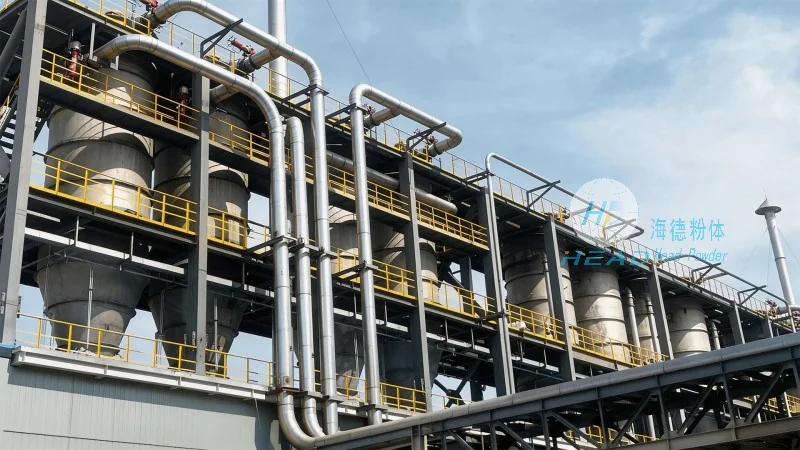
Key Components and Technologies in Silica Fume Handling
Several components and technologies are integral to a robust silica fume handling system. The primary equipment includes feeders, hoppers, and conveying lines. Feeders, such as rotary valves or vibratory feeders, regulate the flow of silica fume from storage silos to the conveying system. Hoppers are designed with smooth, sloped walls to prevent material buildup and ensure uniform discharge. Conveying systems, either pneumatic (using air pressure to move the powder) or mechanical (using screws or belts), are chosen based on the specific application and material characteristics.
For pneumatic conveying, positive displacement blowers or rotary lobe pumps are commonly used to generate the necessary pressure. The system may also include filters and cyclones to separate any fine particles from the air stream, ensuring clean air discharge and preventing contamination. In mechanical conveying, screw conveyors are preferred for their ability to handle abrasive materials without the need for compressed air, though they require regular maintenance to prevent wear.
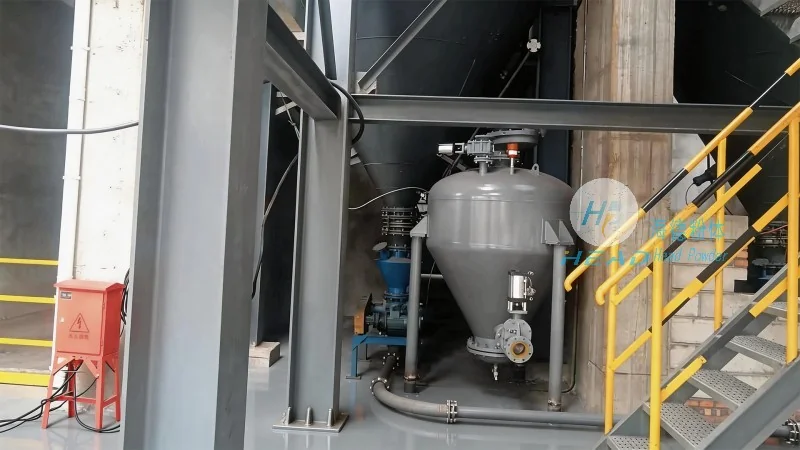
Application Scenarios and Practical Considerations
Silica fume powder handling systems are used in various industrial applications, including concrete production, refractory manufacturing, and chemical processing. In concrete production, for example, the system must integrate seamlessly with existing batching plants to ensure accurate dosing of silica fume into the mix. This requires precise control over the flow rate and consistent material quality, which is achieved through advanced control systems and regular maintenance.
Practical considerations also include the need for scalability and adaptability. As production volumes change, the handling system must be able to adjust accordingly without significant modifications. Additionally, the system must be designed for easy cleaning and maintenance to minimize downtime and ensure long-term reliability. The choice of materials for components, such as stainless steel or corrosion-resistant alloys, is critical to withstand the abrasive nature of silica fume and extend the equipment's lifespan.
About HeadPowder Engineering Co., Ltd.
HeadPowder Engineering Co., Ltd., based in Shandong, China, specializes in the design and manufacturing of advanced powder handling systems tailored to the unique needs of industries like concrete, refractory, and chemical processing. With a focus on innovation and customer satisfaction, HeadPowder provides comprehensive solutions that address the challenges of handling fine powders such as silica fume. The company's expertise lies in integrating cutting-edge technologies with practical engineering solutions to deliver efficient, reliable, and cost-effective handling systems. HeadPowder Engineering Co., Ltd. is committed to enhancing operational efficiency and safety in powder handling applications worldwide.