

What is Chocolate Powder Handling? Exploring Design Principles
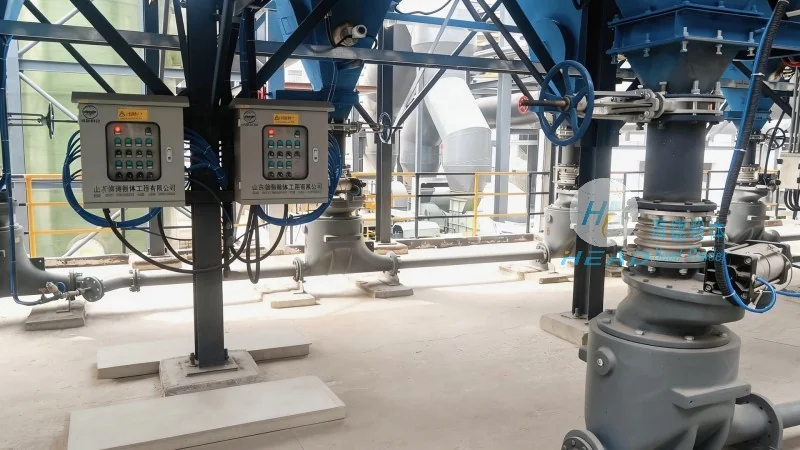
Chocolate powder handling is a critical process in the confectionery industry, focusing on the efficient and safe transportation of chocolate powders from one stage of production to another. This process involves various equipment and systems designed to manage the flow of these powders, ensuring they remain in optimal condition for further processing or packaging. Understanding the nuances of chocolate powder handling is essential for manufacturers aiming to maintain product quality and operational efficiency.
Introduction to Chocolate Powder Handling
Chocolate powder handling encompasses the methods and technologies used to move chocolate powders through industrial settings. These powders, often derived from cocoa beans and other ingredients, require careful handling to prevent issues such as caking, agglomeration, or contamination. The process typically begins with the storage of raw materials and continues through to the final packaging stage, where the powders are prepared for distribution to consumers. Effective handling systems are vital to uphold the quality and consistency of chocolate products, which are highly sensitive to moisture, temperature, and mechanical stress.
Key Components of Chocolate Powder Handling Systems
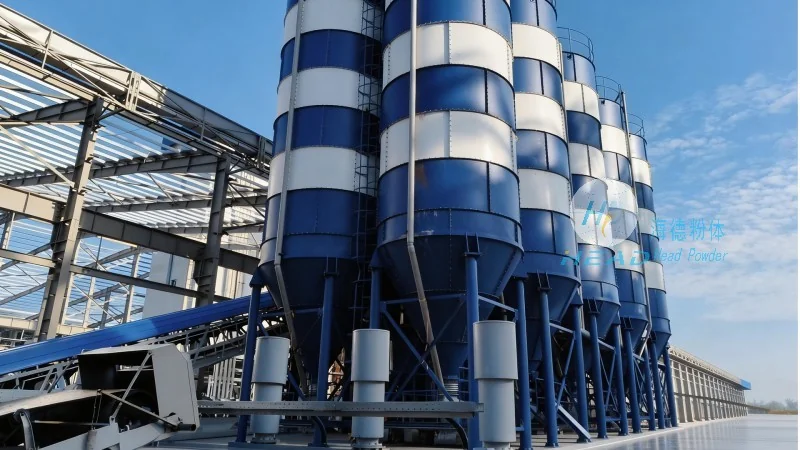
Chocolate powder handling systems typically consist of several key components that work in tandem to ensure smooth operation. These components include storage silos or hoppers, which provide a controlled environment for storing the powders, often equipped with aeration or dehumidification systems to maintain optimal moisture levels. Conveying equipment, such as screw conveyors, pneumatic conveyors, or bucket elevators, is used to transport the powders from storage to processing areas. These systems must be designed to handle the specific properties of chocolate powders, which can vary in particle size, density, and flow characteristics. Additionally, feeding mechanisms, like rotary valves or feeders, are employed to regulate the flow of powders into downstream equipment, ensuring consistent and controlled dosing.
Design Principles for Chocolate Powder Handling
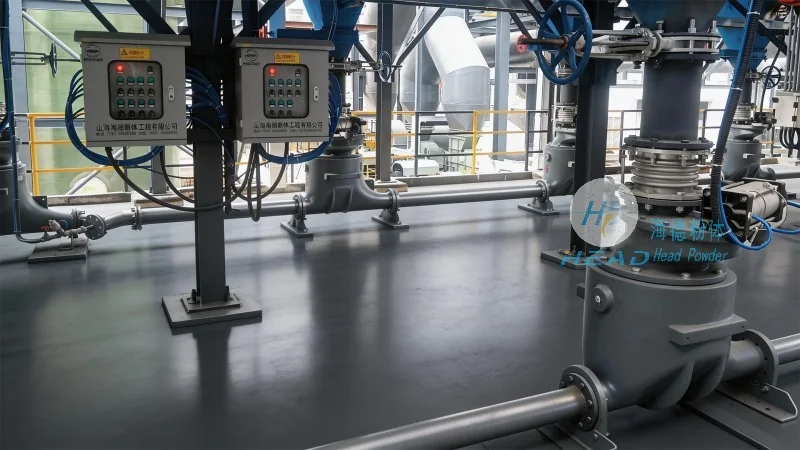
The design of chocolate powder handling systems follows several fundamental principles aimed at optimizing performance and maintaining product integrity. One of the primary principles is the minimization of friction and wear, as chocolate powders can be abrasive and may cause equipment to degrade over time. Materials such as stainless steel, food-grade plastics, and specialized coatings are commonly used to construct handling components, ensuring durability and resistance to corrosion. Another critical principle is the prevention of contamination, which is achieved through the use of sealed systems, proper cleaning protocols, and the avoidance of cross-contamination between different product lines. Temperature control is also a key design consideration, as chocolate powders are sensitive to temperature fluctuations that can affect their texture and shelf life. Many systems incorporate temperature-controlled storage and conveying elements to maintain consistent conditions throughout the process.
Role of HeadPowder in Chocolate Powder Handling Solutions
Shandong HeadPowder Engineering Co., Ltd. specializes in providing comprehensive solutions for chocolate powder handling, leveraging years of experience and expertise in the industry. The company focuses on designing and manufacturing equipment tailored to the unique demands of chocolate powder processing. HeadPowder's approach involves a deep understanding of the material properties of chocolate powders and the operational requirements of confectionery manufacturers. By integrating advanced engineering principles with practical application, HeadPowder develops systems that enhance efficiency, reduce downtime, and improve product quality. The company's products include a range of conveyors, feeders, and storage solutions, all engineered to meet the stringent standards of the food industry. With a commitment to innovation and customer satisfaction, HeadPowder serves clients across China and beyond, helping them optimize their chocolate powder handling processes.
Addressing Common Challenges in Chocolate Powder Handling
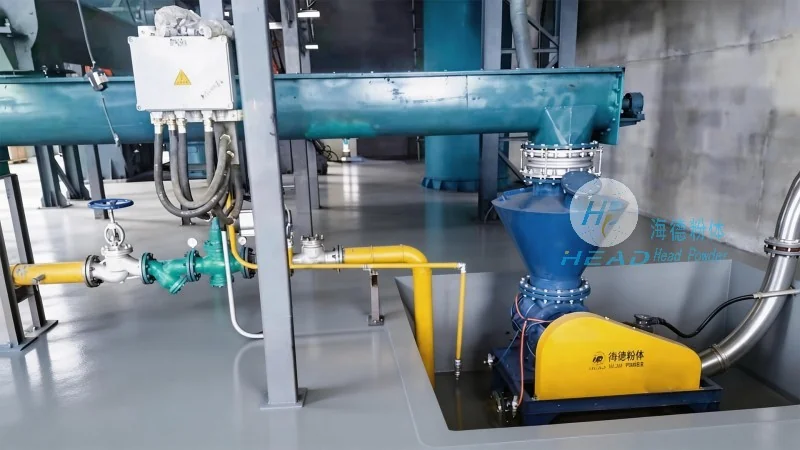
Despite the advancements in handling technology, manufacturers often encounter challenges related to chocolate powder handling, such as caking, blockages, and inconsistent flow. These issues can lead to production delays and product quality issues. HeadPowder addresses these challenges through customized solutions that account for the specific characteristics of each client's powders and production environment. For instance, the company may recommend the use of specialized screw conveyors with variable speed controls to manage flow rates and prevent agglomeration. Additionally, the incorporation of aeration systems or vibration devices can help break up clumps and maintain the free-flowing nature of the powders. Regular maintenance and cleaning protocols are also emphasized to ensure the longevity and effectiveness of the handling equipment.
Conclusion: The Importance of Effective Chocolate Powder Handling
In conclusion, chocolate powder handling is a complex yet essential aspect of the confectionery industry, requiring careful consideration of design principles and equipment selection. The systems employed must balance efficiency, product integrity, and operational safety. Companies like Shandong HeadPowder Engineering Co., Ltd. play a vital role in supporting manufacturers by providing tailored solutions that address the unique challenges of chocolate powder processing. By investing in robust handling systems, confectionery producers can ensure consistent product quality, minimize waste, and enhance overall operational performance. As the demand for high-quality chocolate products continues to grow, the importance of effective chocolate powder handling will only become more pronounced, making it a critical area of focus for industry professionals.