

What is a Stone Powder Conveying System? What Are Its Design Principles?
HeadPowder, a leading engineering company based in Shandong, China, specializes in the design and implementation of efficient stone powder conveying systems. These systems are crucial for transporting bulk materials like stone powders, which are widely used in construction, manufacturing, and various industrial processes. Understanding the core components and design principles of such systems is essential for optimizing material handling and ensuring operational efficiency.
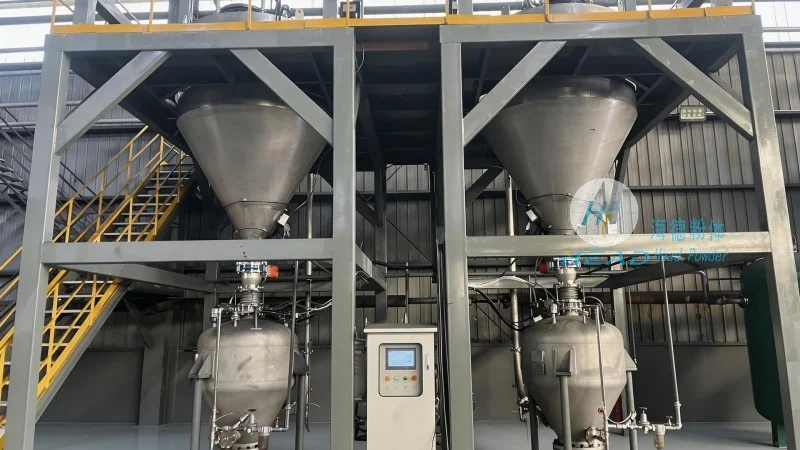
What is a Stone Powder Conveying System?
A stone powder conveying system is a mechanical setup engineered to transport dry, granular materials, specifically stone powders, from one location to another. These systems are designed to handle materials with varying particle sizes and densities, ensuring consistent and reliable movement. The primary goal is to minimize material loss, reduce downtime, and maintain a safe working environment. In industrial settings, these systems are integral to processes such as raw material processing, product packaging, and waste management.
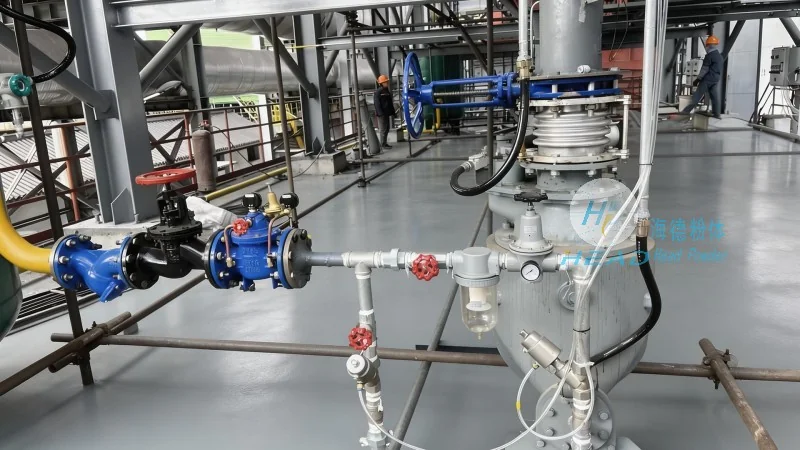
Key Components of a Stone Powder Conveying System
Stone powder conveying systems typically consist of several key components that work in tandem to achieve efficient material transport. The main components include:
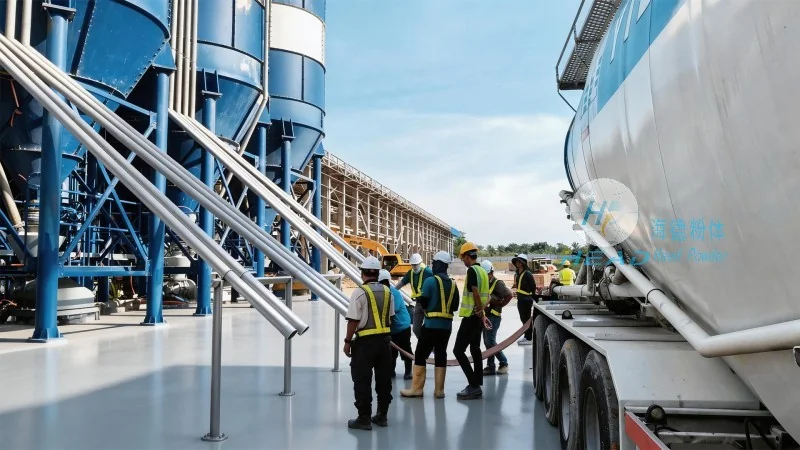
- Feed Hopper: A container that holds the stone powder and feeds it into the conveyor system. It is designed to control the flow rate and prevent material spillage.
- Conveyor Belt or Screw: The primary transport mechanism. Conveyor belts are commonly used for horizontal and slight incline transport, while screw conveyors are ideal for vertical or steep incline applications. The choice of mechanism depends on the material characteristics and the distance to be covered.
- Pneumatic Conveying: In some systems, compressed air is used to move the powder through a pipeline. This method is particularly effective for fine powders and can handle long distances with minimal maintenance.
- Control Valves and Regulators: These components regulate the flow of material and air, ensuring consistent operation and preventing overloading or underloading of the system.
- Receiver or Discharge Hopper: The final container where the stone powder is deposited. It is designed to collect the material and may include features like level sensors to monitor the material level.
Design Principles for Efficient Stone Powder Conveying
The design of a stone powder conveying system follows several fundamental principles to ensure optimal performance. These principles are tailored to the specific characteristics of the material being transported, such as particle size, moisture content, and flowability. The key design considerations include:
- Material Compatibility: The system components must be compatible with the stone powder to prevent corrosion or degradation. For example, materials like stainless steel or special coatings are often used to handle abrasive powders.
- Flow Rate Optimization: The design must ensure that the material flows smoothly without clogging or bridging. This involves selecting the appropriate conveyor speed and hopper geometry to maintain a consistent flow.
- Energy Efficiency: Efficient design minimizes energy consumption while maintaining high throughput. This is achieved through the selection of appropriate conveyor types, motor sizes, and control systems.
- Space Utilization: The system is designed to fit within the available space, considering both horizontal and vertical constraints. This may involve customizing the conveyor length, height, and layout to suit the facility's layout.
- Safety and Maintenance: The design incorporates safety features such as emergency stops and overload protection. Additionally, easy access to components for maintenance is considered to reduce downtime.
Applications of Stone Powder Conveying Systems
Stone powder conveying systems are widely used in various industries due to their versatility and efficiency. Some common applications include:
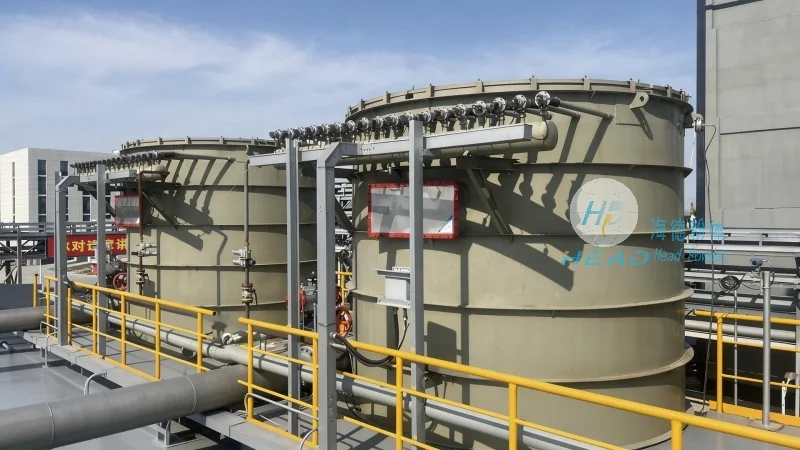
- Construction Industry: Used for transporting aggregates, cement, and other construction materials to different parts of a construction site. This improves material handling efficiency and reduces manual labor.
- Manufacturing: Employed in the production of ceramics, paints, and coatings, where stone powders are used as raw materials. The systems ensure a consistent supply of raw materials to production lines.
- Pharmaceuticals: Used in the handling of fine powders in pharmaceutical manufacturing, where hygiene and material purity are critical. The systems are designed to prevent contamination and ensure product quality.
- Environmental Management: Used for transporting waste materials, such as recycled aggregates or industrial byproducts, to disposal or processing facilities.
Benefits of Using a Stone Powder Conveying System
Implementing a stone powder conveying system offers several benefits that enhance operational efficiency and reduce costs. These benefits include: