

What is a Pyrolytic Carbon Powder Conveying System? What Are Its Design Principles?
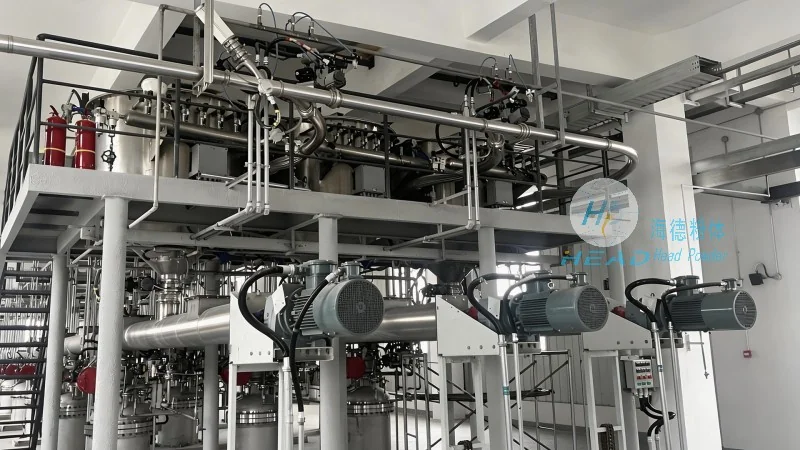
Pyrolytic carbon powder conveying systems are specialized equipment designed to handle and transport pyrolytic carbon powders efficiently. These systems are crucial in various industrial applications where the precise movement of this material is essential for process optimization and product quality. Understanding the design principles behind such systems is vital for engineers and industry professionals seeking to implement effective material handling solutions.
Introduction to Pyrolytic Carbon Powder Conveying Systems
Pyrolytic carbon, also known as graphitic carbon, is a material produced through the thermal decomposition of hydrocarbon precursors. It is widely used in industries such as medical devices, aerospace, and chemical processing due to its unique properties, including high strength, corrosion resistance, and biocompatibility. The efficient conveyance of pyrolytic carbon powders is critical to ensure consistent material flow, minimize contamination, and maintain the integrity of the powder during transport. A well-designed conveying system addresses these challenges by integrating advanced components and control mechanisms tailored to the specific characteristics of pyrolytic carbon.
Key Components of a Pyrolytic Carbon Powder Conveying System
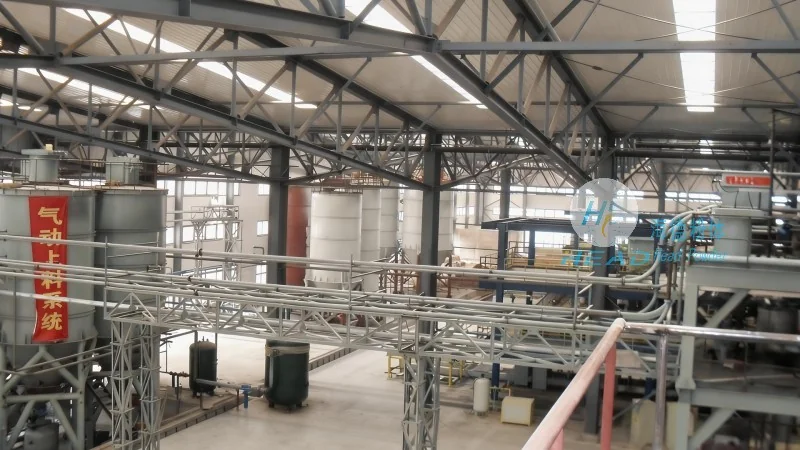
The design of a pyrolytic carbon powder conveying system typically involves several key components that work in tandem to achieve reliable material transport. These components include a hopper or feed bin for storing the powder, a feeding mechanism (such as a screw feeder or rotary valve) to regulate the flow rate, a conveying device (like a pneumatic or mechanical conveyor) to move the powder from the source to the destination, and a control system to monitor and adjust the operation. Each component is selected based on the material's properties, such as its density, flowability, and potential for caking or agglomeration. For pyrolytic carbon, which can be prone to sticking or bridging in hoppers, specialized hopper designs with anti-adhesion coatings or vibratory feeders may be employed to prevent material buildup and ensure smooth flow.
Design Principles for Efficient Material Handling
Designing an effective pyrolytic carbon powder conveying system requires adherence to several fundamental principles that ensure optimal performance and reliability. First, the system must be designed to minimize particle degradation or contamination. This involves using materials that are compatible with pyrolytic carbon, such as stainless steel or specialized plastics, to prevent chemical reactions or particle abrasion. Second, the system should be capable of handling the material's specific flow characteristics. Pyrolytic carbon powders may exhibit cohesive behavior, making it essential to incorporate features like vibration or air assistance to maintain flowability. Third, the system must be equipped with proper sealing and dust control measures to prevent environmental contamination and ensure operator safety. Finally, the design should prioritize energy efficiency and ease of maintenance, as these factors contribute to long-term operational costs and system longevity.
Role of HeadPowder in Pyrolytic Carbon Conveying Solutions
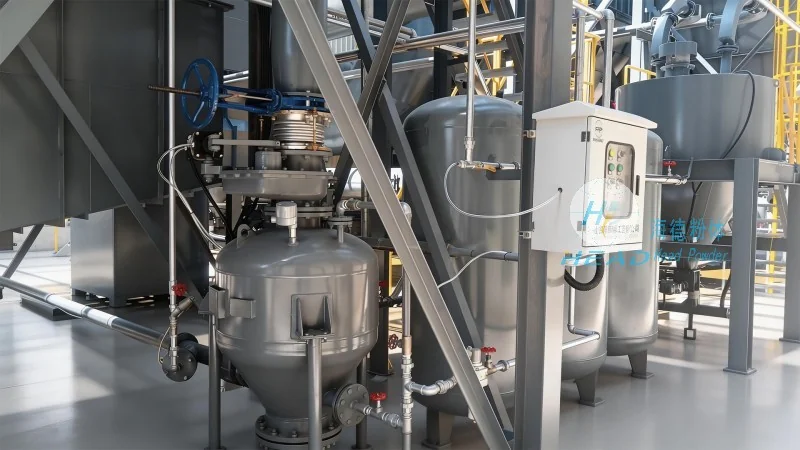
Shandong HeadPowder Engineering Co., Ltd., a leading provider of material handling solutions, specializes in designing and manufacturing pyrolytic carbon powder conveying systems tailored to the unique needs of various industries. With a focus on innovation and customer satisfaction, HeadPowder leverages advanced engineering principles to develop systems that enhance productivity, reduce downtime, and ensure the highest quality of the conveyed material. The company's expertise lies in understanding the specific challenges associated with pyrolytic carbon, such as its tendency to adhere to surfaces or form agglomerates, and addressing these challenges through customized solutions. By integrating state-of-the-art technology and rigorous quality control, HeadPowder delivers conveying systems that meet the stringent requirements of applications ranging from medical device manufacturing to aerospace component production.
Conclusion: The Importance of a Well-Designed Conveying System
In conclusion, a pyrolytic carbon powder conveying system is a critical component in industries that rely on this unique material. The design principles that govern such systems—ensuring material integrity, efficient flow, and safe operation—are essential for achieving optimal performance. Companies like Shandong HeadPowder Engineering Co., Ltd. play a vital role in providing tailored solutions that address the specific challenges of pyrolytic carbon, enabling industries to maintain high standards of quality and efficiency in their operations. As the demand for pyrolytic carbon continues to grow, the importance of reliable and well-designed conveying systems will only increase, making them indispensable in modern industrial processes.