

What is Plastic Powder Handling Equipment? And What Are Its Design Principles?
Plastic powder handling equipment is a specialized system designed to manage the movement, storage, and processing of plastic powders in industrial settings. These systems are crucial for ensuring efficient and safe operations in manufacturing processes that involve plastic materials. The design of such equipment is tailored to address the unique challenges posed by plastic powders, including their flow characteristics, dust generation, and potential for static electricity.
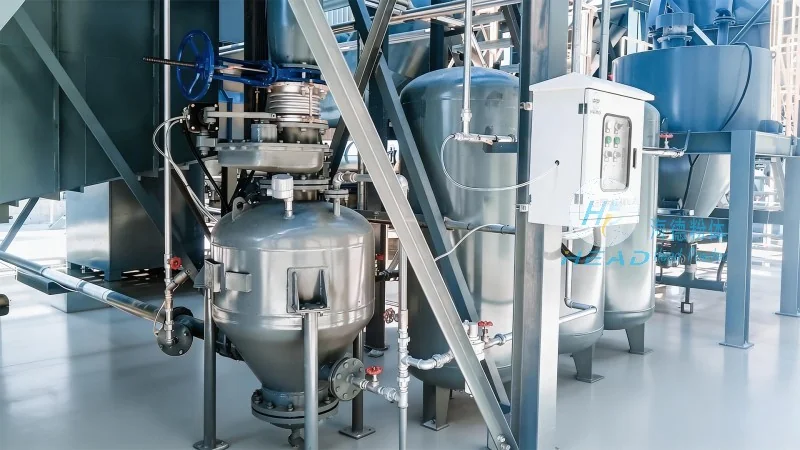
Understanding Plastic Powder Handling Equipment
At its core, plastic powder handling equipment is a collection of components engineered to handle plastic powders from raw material storage to processing lines. These systems are essential in industries such as plastics manufacturing, recycling, and chemical processing, where plastic powders are a primary raw material. The equipment typically includes components like hoppers, conveyors, feeders, and storage silos, all working in tandem to maintain consistent material flow and minimize material loss or contamination.
Key Components and Their Functions
The design of plastic powder handling equipment revolves around several key components, each serving a specific function to ensure optimal performance. The hopper is the primary container for storing plastic powders, often designed with a conical or cylindrical shape to facilitate material flow. Conveyors, such as screw conveyors or pneumatic systems, are used to transport the powder from the hopper to processing equipment. Feeders, like vibratory or rotary feeders, regulate the flow rate of the powder to maintain consistent material delivery. Storage silos may also be included to provide bulk storage, ensuring a steady supply of raw material.
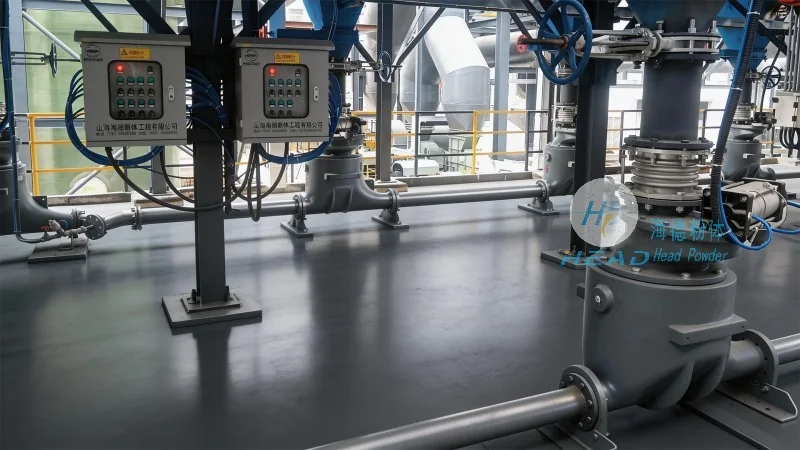
Design Principles for Efficient Plastic Powder Handling
The design principles for plastic powder handling equipment focus on several critical factors to ensure efficiency, safety, and durability. One of the primary considerations is the prevention of material bridging or caking in the hopper, which can disrupt flow. This is achieved through hopper design, such as using a conical shape with a steep angle or incorporating vibratory systems to break up agglomerates. Another key principle is the management of dust and static electricity, as plastic powders are often fine and can generate static charges. Equipment may include dust collection systems and anti-static measures to mitigate these risks. Additionally, the design emphasizes material compatibility, ensuring that all components are resistant to the chemical properties of the plastic powders being handled to prevent corrosion or degradation.
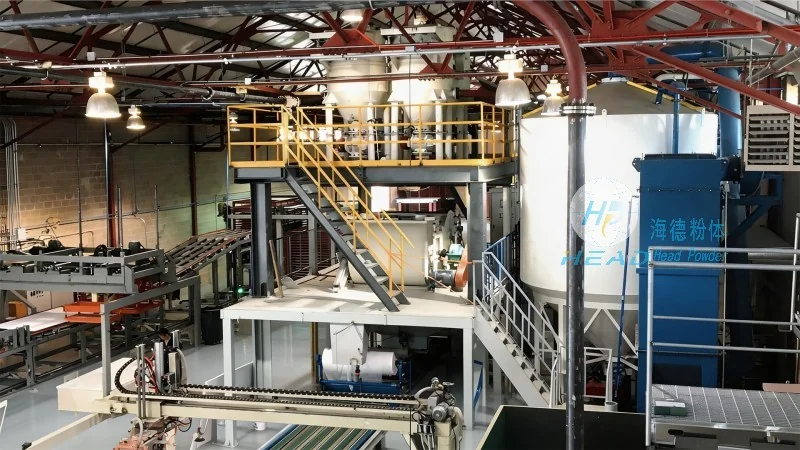
Role of Shandong HeadPowder Engineering Co., Ltd.
Shandong HeadPowder Engineering Co., Ltd., commonly known as HeadPowder, is a leading manufacturer specializing in the design and production of plastic powder handling equipment. With operations based in Shandong, China, the company has established itself as a trusted provider of high-quality solutions tailored to the needs of the plastics industry. HeadPowder's expertise lies in understanding the unique challenges of plastic powders and designing equipment that addresses these challenges effectively. The company's products are engineered to enhance operational efficiency, reduce downtime, and improve safety in plastic processing facilities. By leveraging advanced engineering and manufacturing techniques, HeadPowder delivers equipment that meets the rigorous demands of modern industrial applications.
Conclusion
In summary, plastic powder handling equipment is a vital component in the plastics manufacturing and processing industry, designed to efficiently manage the movement and storage of plastic powders. The design principles behind these systems focus on material flow, dust control, and safety, ensuring optimal performance in industrial settings. Companies like Shandong HeadPowder Engineering Co., Ltd. play a crucial role in providing specialized equipment that meets the unique needs of the industry, contributing to improved efficiency and safety in plastic processing operations.