

What is Magnesium Sulfate Material Handling? And What Are Its Design Principles?
When it comes to the efficient and safe handling of magnesium sulfate, understanding the material handling processes and the underlying design principles is crucial for industrial applications. Magnesium sulfate, commonly known as Epsom salt, is widely used in various industries including agriculture, pharmaceuticals, and chemical manufacturing. Proper material handling ensures that the material is transported, stored, and processed without compromising quality or safety.
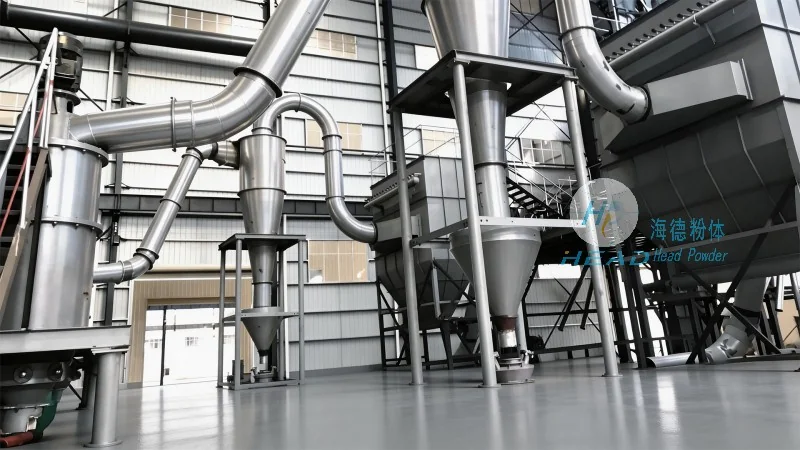
Understanding Magnesium Sulfate Material Handling
Magnesium sulfate material handling involves the methods and equipment used to move, store, and manage the material throughout its lifecycle. This includes processes such as loading, unloading, conveying, and storage. The goal is to optimize efficiency, minimize downtime, and ensure compliance with safety regulations. At Shandong HeadPowder Engineering Co., Ltd., we specialize in providing tailored material handling solutions for magnesium sulfate and other bulk materials.
The Core Design Principles for Magnesium Sulfate Handling Systems
Designing an effective magnesium sulfate material handling system requires careful consideration of several key principles. First, the system must be designed to handle the specific physical properties of magnesium sulfate, such as its particle size, moisture content, and flow characteristics. This includes selecting appropriate equipment like conveyors, hoppers, and storage silos that can accommodate the material's behavior. Second, the system should prioritize safety and environmental protection. This involves implementing measures to prevent dust generation, controlling temperature, and ensuring proper ventilation. Third, the design must consider operational efficiency and cost-effectiveness. This includes optimizing the layout of the handling system, reducing energy consumption, and minimizing maintenance requirements.
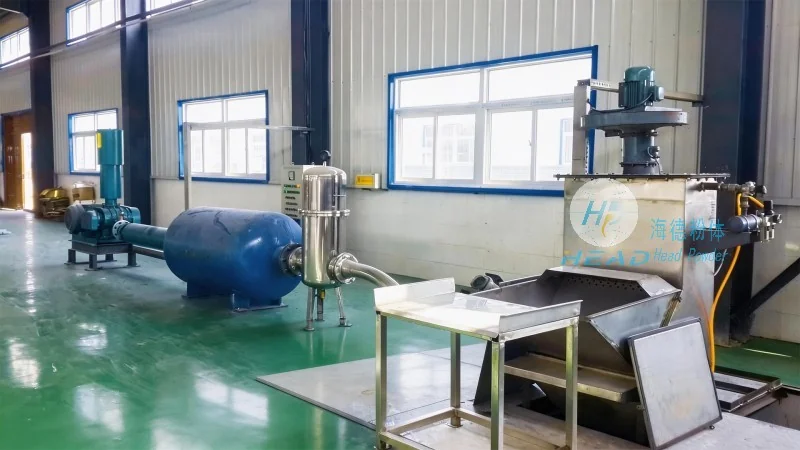
Equipment Selection and System Integration
Choosing the right equipment is a critical step in designing a magnesium sulfate material handling system. Conveyors, such as belt conveyors or screw conveyors, are commonly used for transporting the material from storage to processing areas. Hoppers and feeders are essential for controlling the flow of material into processing equipment. Storage silos or bins are used to store the material in bulk, ensuring a steady supply for production. The integration of these components is crucial to create a seamless material flow. At HeadPowder, our engineers work closely with clients to select the most suitable equipment based on the specific requirements of their magnesium sulfate handling operations.
Ensuring Compliance and Safety
Compliance with safety and environmental regulations is a top priority in magnesium sulfate material handling. This includes implementing dust control measures, such as using dust collectors and sealing systems, to prevent airborne particles from contaminating the environment. Proper ventilation and temperature control are also important to maintain the quality of the material and ensure the safety of workers. Additionally, the system should be designed to prevent material spillage and contamination, which can impact product quality and environmental safety. HeadPowder adheres to strict safety standards and works with clients to develop systems that meet all regulatory requirements.
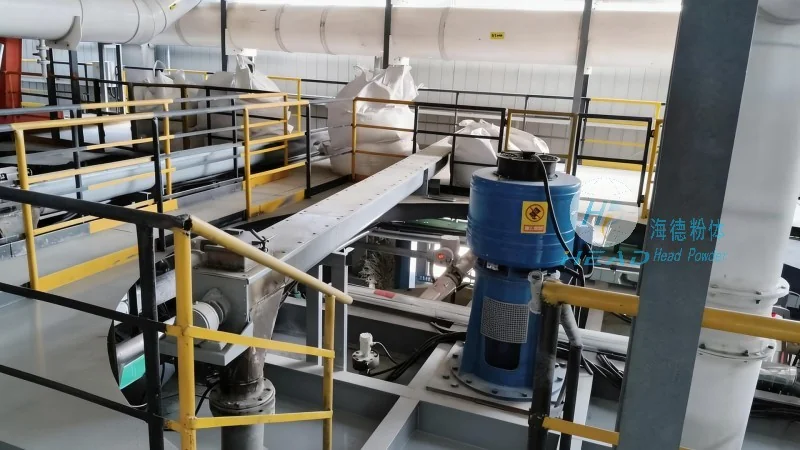
Optimizing Material Flow and Efficiency
Optimizing the material flow is essential for maximizing the efficiency of magnesium sulfate handling systems. This involves analyzing the entire material handling process to identify bottlenecks and areas for improvement. By streamlining the flow of material from storage to processing, companies can reduce downtime, increase production capacity, and lower operational costs. At HeadPowder, we use advanced engineering techniques and simulation tools to optimize material flow and ensure that the system operates at peak efficiency. Our solutions are tailored to the specific needs of each client, ensuring that the material handling system is both effective and cost-effective.
Conclusion
Magnesium sulfate material handling is a complex process that requires careful planning and design. By understanding the key principles and selecting the appropriate equipment, companies can ensure the safe and efficient handling of this important material. Shandong HeadPowder Engineering Co., Ltd. offers comprehensive material handling solutions that are tailored to the specific needs of our clients. Our team of experienced engineers provides expert guidance and support to help clients achieve their material handling goals. Whether you are looking to improve an existing system or design a new one, HeadPowder is your trusted partner for magnesium sulfate material handling solutions.