

What is Organic Fertilizer Granule Material Conveying? And What Are the Design Principles?
Organic fertilizer granule material conveying systems are essential in modern agricultural and industrial applications, facilitating the efficient transport of granular organic fertilizers from production sites to storage or application areas. Understanding the mechanisms and design principles behind these systems is crucial for optimizing operational efficiency, ensuring product integrity, and meeting the demands of large-scale agricultural operations.
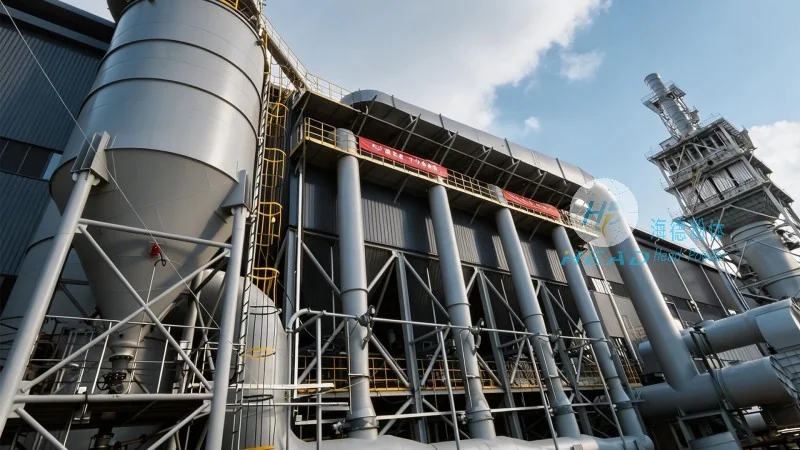
Understanding Organic Fertilizer Granule Conveying
Organic fertilizer granules, such as those derived from compost, manure, or synthetic organic compounds, require specialized conveying equipment due to their unique physical properties. These properties include varying particle sizes, moisture content, and density, which can affect flow characteristics and the overall performance of conveying systems. The primary goal of granule conveying is to move these materials in a controlled manner, minimizing breakage, segregation, and degradation while maintaining consistent product quality.
Key Components of Granule Conveying Systems
Effective granule material conveying systems typically consist of several critical components. These include feed hoppers or chutes that introduce the granules into the system, conveyor mechanisms such as screw conveyors, belt conveyors, or pneumatic systems, and control systems that regulate flow rates and prevent blockages. Each component plays a vital role in ensuring the smooth and efficient transport of organic fertilizer granules.
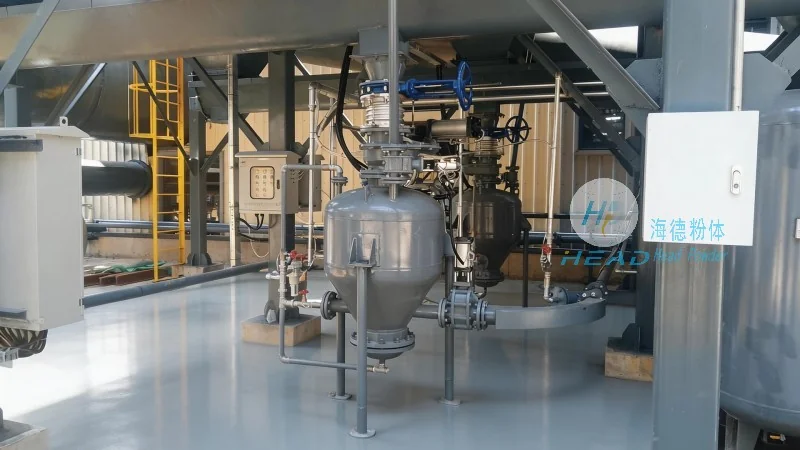
Design Principles for Efficient Conveying
The design of organic fertilizer granule conveying systems is guided by several key principles aimed at maximizing efficiency and minimizing operational issues. These principles include maintaining consistent material flow, preventing product degradation, and ensuring system durability. Engineers and designers focus on selecting appropriate conveyor types based on the specific characteristics of the granules, such as particle size distribution and moisture content. For instance, screw conveyors are often preferred for handling dry, free-flowing granules due to their ability to provide gentle, continuous movement without excessive pressure or shear forces.
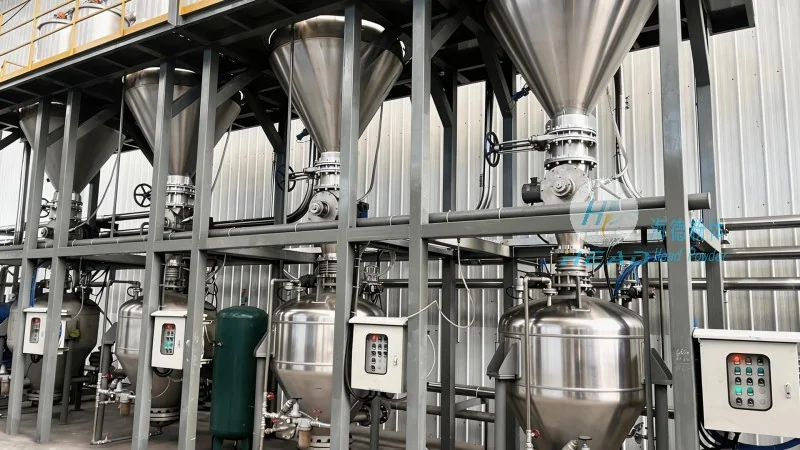
Material Handling Considerations
When designing a granule conveying system for organic fertilizers, several material handling considerations must be addressed. These include the prevention of segregation, where larger or smaller particles separate from the main flow, and the control of moisture content to avoid clumping or caking. Properly designed hoppers and chutes help maintain a uniform feed rate, while conveyor speed and inclination are carefully calibrated to ensure optimal flow without causing excessive wear or damage to the granules. Additionally, the choice of materials for conveyor components, such as stainless steel or food-grade plastics, is critical to prevent contamination and ensure compliance with industry standards.

Application in Agricultural and Industrial Settings
Organic fertilizer granule conveying systems are widely used in both agricultural and industrial contexts. In agricultural settings, these systems are integral to large-scale farming operations, where they facilitate the distribution of organic fertilizers from production facilities to fields or storage silos. In industrial applications, such as composting plants or fertilizer manufacturing facilities, granule conveying is essential for moving raw materials through processing stages and delivering finished products to packaging or distribution centers. The versatility of these systems allows them to adapt to various operational scales and production volumes, making them a valuable asset in modern organic fertilizer production and management.
Conclusion
In conclusion, organic fertilizer granule material conveying is a critical process in the agricultural and industrial sectors, requiring careful consideration of design principles and material handling techniques. By understanding the unique properties of organic granules and implementing appropriate conveying systems, businesses can enhance operational efficiency, maintain product quality, and meet the growing demand for sustainable agricultural practices. Companies like Shandong HeadPowder Engineering Co., Ltd., based in China, specialize in designing and manufacturing such systems, providing tailored solutions to meet the specific needs of their clients in the organic fertilizer industry.