

What is a Silicon Carbide Material Handling System? What are its Design Principles?
In industrial production, silicon carbide (SiC) as a high-performance material, its efficient and reliable material handling system is crucial for production efficiency and safety. This article will delve into the core concepts of a silicon carbide material handling system and its design principles, helping readers fully understand the key role of this equipment in industrial applications.
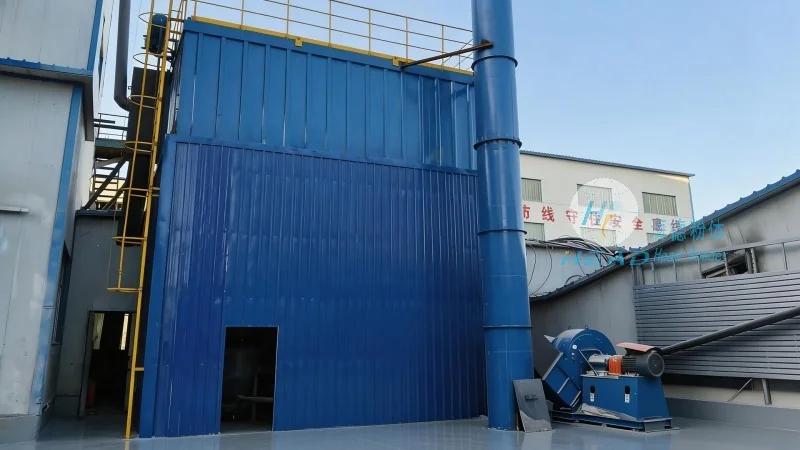
Silicon Carbide Material Handling System Overview
A silicon carbide material handling system refers to equipment specifically designed for processing and transporting silicon carbide particles, powders, or bulk materials. This type of system is typically used in industries such as chemical, metallurgy, and ceramics in the production process, aiming to achieve efficient material transport, storage, and distribution. Since silicon carbide has high hardness, high thermal stability, and other characteristics, traditional conveying equipment may be difficult to meet its special needs, and specially designed silicon carbide material handling systems have emerged. Shandong HeadPowder Engineering Co., Ltd. (hereinafter referred to as HeadPowder) as a professional manufacturer in the industry, is committed to providing high-performance silicon carbide material handling solutions for users.
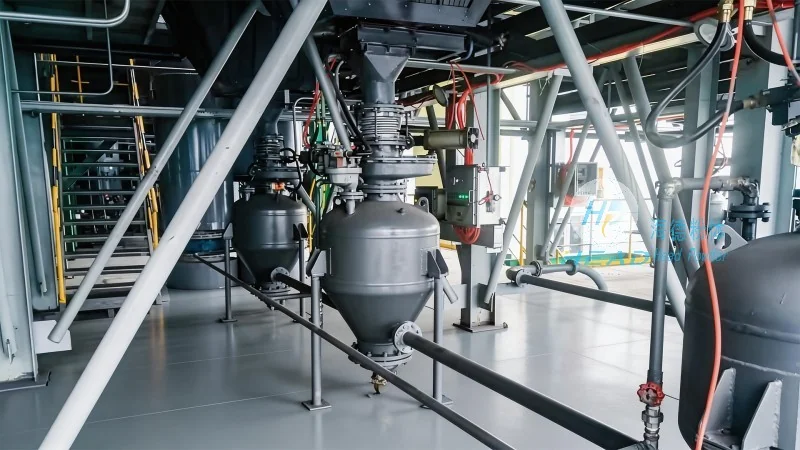
Design Principles of Silicon Carbide Material Handling Systems
The design of a silicon carbide material handling system needs to comprehensively consider the physical properties of the material, the requirements of the production process, and the durability of the equipment. First, the system needs to have good wear resistance to deal with the wear of silicon carbide particles on the conveying pipes and equipment. HeadPowder usually uses special alloys or composite materials to manufacture key components such as conveying pipes, valves, and bearings in the design, ensuring the equipment maintains high efficiency during long-term operation. Second, the system needs to have high sealing performance to prevent the leakage of silicon carbide dust and ensure workplace safety. By adopting double sealing or special sealing structures, HeadPowder's conveying system effectively controls dust pollution and meets industrial safety standards. In addition, the system design focuses on energy efficiency by optimizing conveying speed and flow control to reduce energy consumption. HeadPowder's engineers incorporate advanced fluid dynamics principles in the design to ensure stable material flow during the conveying process, reducing blockages and jamming. For large-scale production projects, the system may also integrate automation control for remote monitoring and parameter adjustment, enhancing operational convenience and production efficiency.

Key Design Elements Detailed
The key design elements of a silicon carbide material handling system include conveying methods, equipment selection, and control systems. Conveying methods are typically chosen based on the physical form of the material and process requirements, such as screw conveyors, pneumatic conveying systems, or vibratory conveyors. HeadPowder provides customized conveying solutions according to specific customer application scenarios. For example, for powder silicon carbide, pneumatic conveying systems are widely used due to their non-mechanical contact and long conveying distance advantages. For bulk or granular materials, screw conveyors can provide stable conveying effects. Equipment selection focuses on material corrosion resistance and wear resistance, ensuring equipment performance stability over long-term use. The control system adopts PLC (Programmable Logic Controller) technology to achieve automated operation and fault diagnosis, improving system reliability and maintenance efficiency. In addition, the system is equipped with temperature and pressure monitoring devices to provide real-time feedback on operating status, ensuring the safety and controllability of the production process.
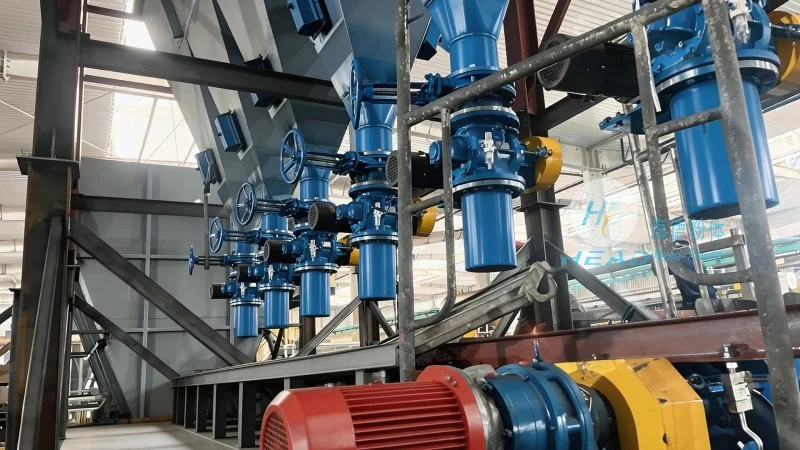
Practical Applications and Performance Advantages
In practical industrial applications, silicon carbide material handling systems show significant performance advantages. For example, in ceramic production, the system is used to transport silicon carbide raw materials to ensure continuous operation of the production line. In the metallurgical industry, the system is used to transport high-purity silicon carbide for the preparation of special alloys. HeadPowder's silicon carbide material handling system not only improves material conveying efficiency but also reduces production costs. By reducing material loss and equipment maintenance frequency, the system brings long-term economic benefits to customers. In addition, the high sealing performance of the system effectively avoids the pollution of silicon carbide dust to the environment, meeting the environmental requirements of modern industry. Feedback from HeadPowder's customers indicates that its conveying system performs excellently in terms of operational stability, durability, and operational convenience, winning widespread market recognition.