

What is a Manganese Carbonate Material Handling System? And What Are Its Design Principles?
Manganese carbonate is a critical industrial mineral widely used in various applications, including battery production, steelmaking, and chemical manufacturing. Efficient handling and transportation of this material are essential for maintaining production efficiency and ensuring product quality. This article explores the components, design principles, and operational considerations of a manganese carbonate material handling system, highlighting the expertise of Shandong HeadPowder Engineering Co., Ltd. in providing tailored solutions for industrial clients.
Key Components of a Manganese Carbonate Material Handling System
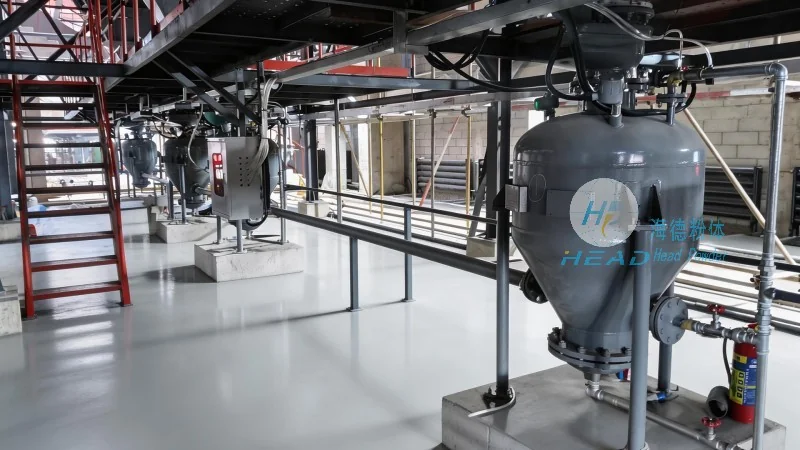
The core components of a manganese carbonate material handling system typically include storage silos, conveyor systems, feeding mechanisms, and processing equipment. Storage silos are designed to store large quantities of manganese carbonate, ensuring a steady supply for downstream processes. Conveyor systems, such as belt conveyors or screw conveyors, transport the material from storage to processing units. Feeding mechanisms, like rotary valves or vibratory feeders, regulate the flow of material into processing equipment. Each component is engineered to handle the specific properties of manganese carbonate, including its particle size, moisture content, and bulk density.
Design Principles for Optimal Performance
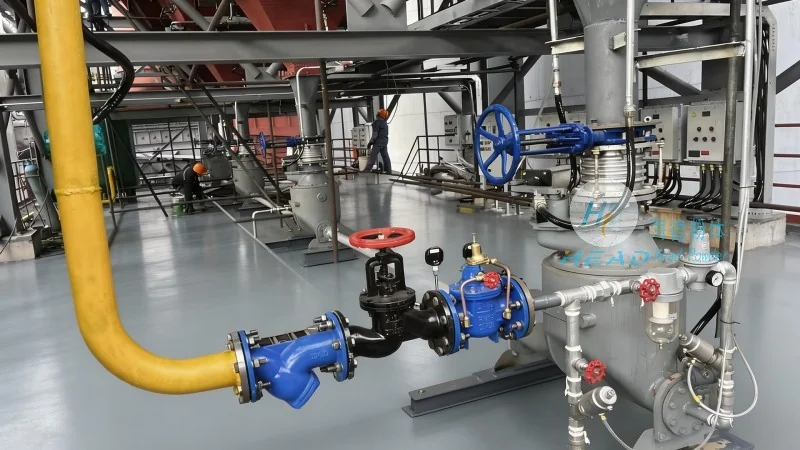
The design of a manganese carbonate material handling system follows several key principles to ensure efficiency, safety, and durability. First, the system must be designed to minimize material degradation, such as breakage or segregation, which can affect product quality. This is achieved through the use of gentle handling equipment and proper storage conditions. Second, the system should be optimized for energy efficiency, reducing operational costs while maintaining performance. This includes selecting appropriate conveyor speeds, motor sizes, and material flow rates. Third, safety is a paramount consideration, with features like dust suppression systems, explosion-proof designs, and emergency stop mechanisms integrated into the design. Additionally, the system must be scalable to accommodate future production increases, allowing for easy expansion without major overhauls.
Operational Considerations and Maintenance
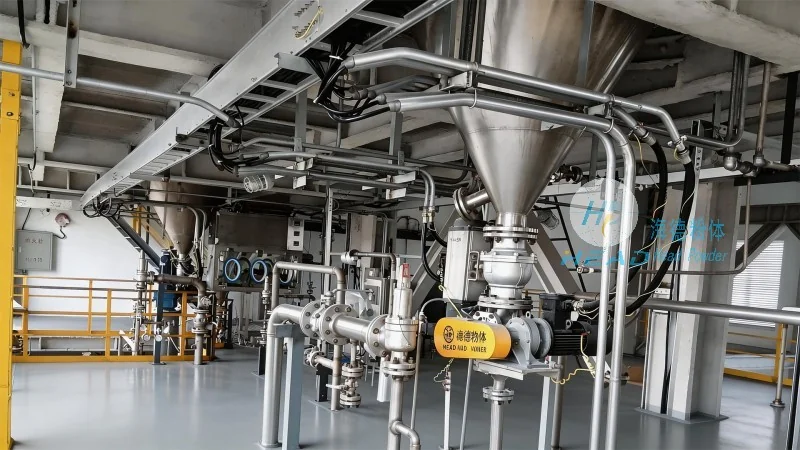
Operational considerations for a manganese carbonate material handling system include regular maintenance to ensure optimal performance. This involves cleaning equipment to prevent material buildup, which can lead to blockages or reduced efficiency. Lubrication of moving parts is also essential to minimize wear and tear. Additionally, monitoring systems, such as level sensors and flow meters, help operators track material levels and flow rates in real-time, enabling quick adjustments to maintain production continuity. Proper training of personnel on the system's operation and maintenance is crucial to prevent accidents and ensure longevity of the equipment.
HeadPowder's Expertise in Manganese Carbonate Handling Solutions
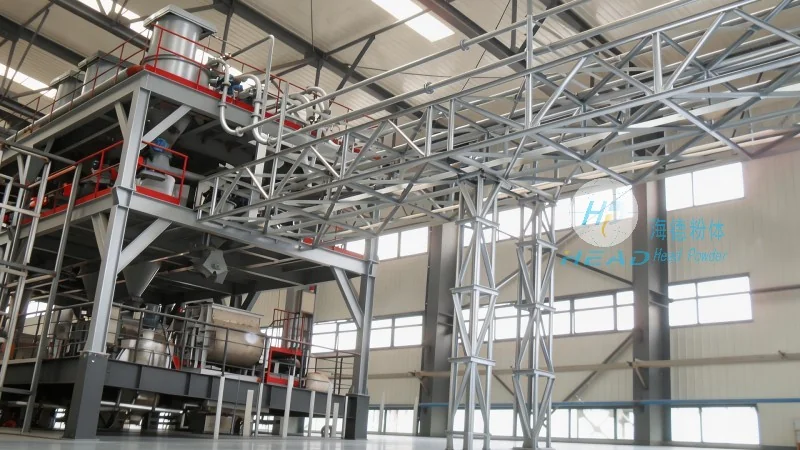
Shandong HeadPowder Engineering Co., Ltd., a leading provider of material handling solutions, specializes in designing and manufacturing systems tailored to the unique needs of manganese carbonate processing. With years of experience in the industry, HeadPowder's engineers work closely with clients to understand their specific requirements, from raw material storage to final product packaging. The company's solutions are built with high-quality materials and advanced technology, ensuring reliability and longevity. HeadPowder's commitment to quality and customer satisfaction has made it a trusted partner for many industrial clients, helping them improve operational efficiency and reduce costs.