

What is a Color Masterbatch Material Handling System? What are its Design Principles?
Color masterbatch material handling systems are essential components in the manufacturing and processing of plastic products. These systems are designed to efficiently transport, store, and manage color masterbatches, which are concentrated pigments used to color plastic resins. The proper operation of such systems ensures consistent color quality, reduces material waste, and enhances overall production efficiency. This article explores the fundamental aspects of color masterbatch material handling systems, including their design principles and key components.
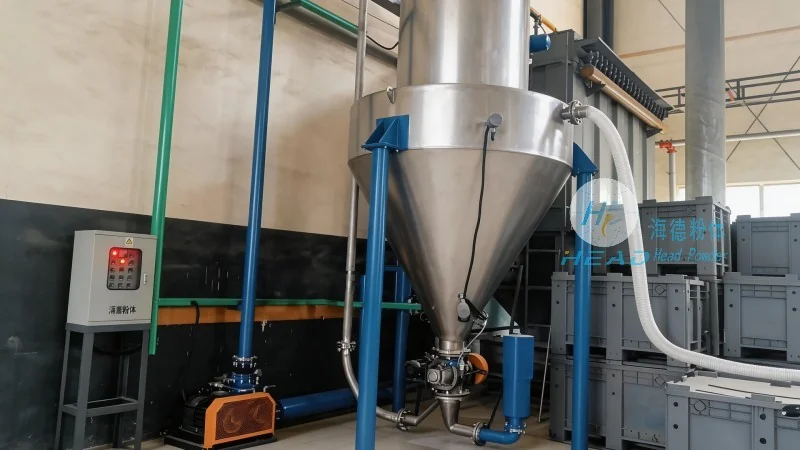
Understanding Color Masterbatch Material Handling Systems
A color masterbatch material handling system typically consists of several interconnected components that work together to facilitate the movement of masterbatch material from storage to processing equipment. The system may include hoppers, conveyors, storage silos, and feeding mechanisms. Each component is engineered to handle the specific characteristics of color masterbatch, such as its granular size, density, and flow properties. The primary goal of these systems is to maintain the integrity of the masterbatch material while ensuring smooth and continuous operation throughout the production process.
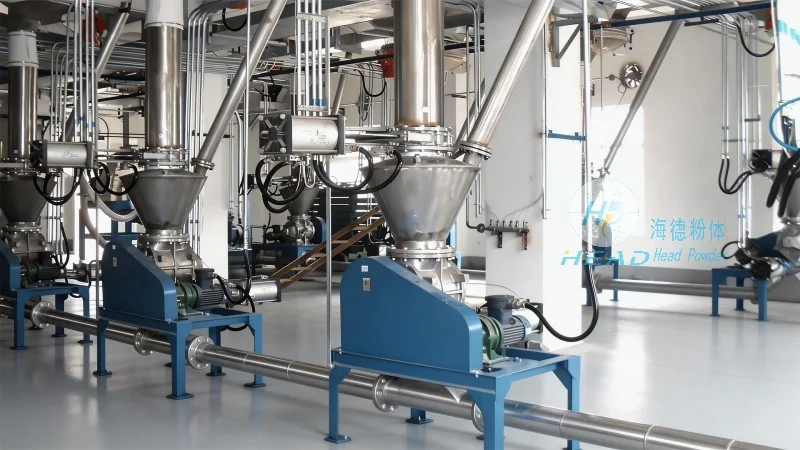
Key Components of a Material Handling System for Color Masterbatch
The core components of a color masterbatch material handling system include storage silos or hoppers, which are used to store the masterbatch in bulk. These containers are often designed with airtight seals to prevent contamination and moisture absorption, which can affect the color stability of the material. Conveyors, such as screw conveyors or belt conveyors, are used to transport the masterbatch from the storage area to the processing equipment. The choice of conveyor type depends on the material's flow characteristics and the required throughput. Additionally, feeding mechanisms, like rotary valves or metering pumps, are employed to control the flow rate of the masterbatch into the extrusion or injection molding machines. These components work in tandem to ensure precise dosing and consistent color application.
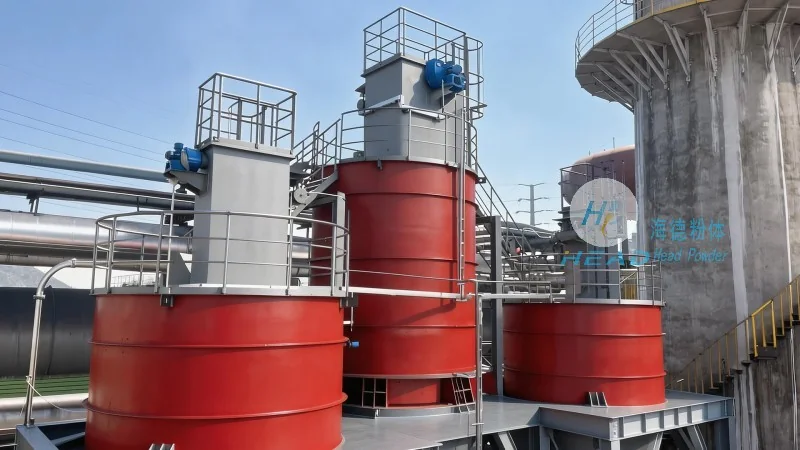
Design Principles for Efficient Material Handling
The design of a color masterbatch material handling system follows several key principles to optimize performance and reliability. First, the system must be designed to minimize material degradation, which can occur due to exposure to air, moisture, or mechanical stress. This is achieved through the use of airtight storage containers and enclosed conveyor systems. Second, the system should be scalable to accommodate varying production volumes and material types. Modular designs allow for easy expansion or modification as production needs change. Third, the system must prioritize safety and operational efficiency. This includes features like emergency stop buttons, overload protection, and automated monitoring systems to detect and resolve issues promptly. By adhering to these design principles, manufacturers can ensure that their color masterbatch handling systems operate at peak performance, reducing downtime and improving product quality.
Role of Material Handling in Consistent Color Production
Efficient material handling is crucial for achieving consistent color in plastic products. Color masterbatch is a concentrated form of pigment, and even small variations in the amount or distribution of the masterbatch can lead to noticeable color differences in the final product. A well-designed material handling system ensures that the masterbatch is delivered to the processing equipment in a controlled and uniform manner. This consistency is vital for meeting customer specifications and maintaining brand standards. Furthermore, proper handling reduces the risk of material segregation or contamination, which can cause color variations or defects in the finished parts. The integration of advanced control systems, such as PLCs (Programmable Logic Controllers), allows for precise monitoring and adjustment of the material flow, further enhancing color consistency.
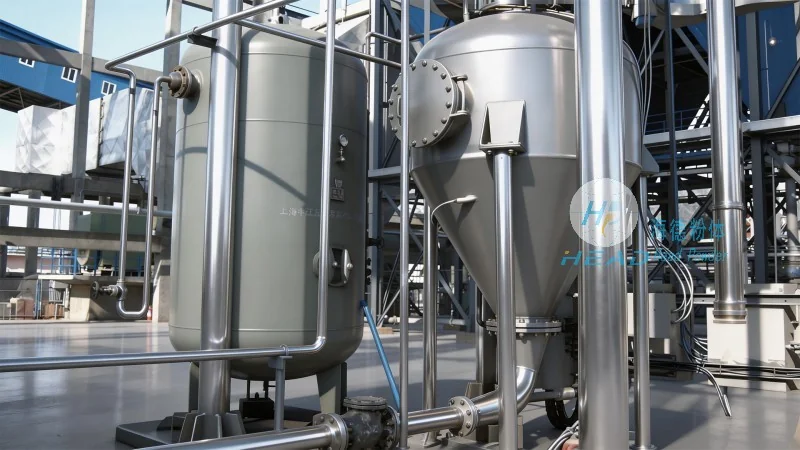
Conclusion: The Importance of a Well-Designed Material Handling System
In conclusion, color masterbatch material handling systems play a critical role in the plastic manufacturing industry. Their design principles focus on efficiency, reliability, and color consistency. By incorporating proper storage, conveying, and feeding mechanisms, these systems ensure that color masterbatch is handled with care, maintaining its quality and performance. For manufacturers, investing in a well-designed material handling system is essential for improving production efficiency, reducing waste, and delivering high-quality products. As the demand for consistent and vibrant colors in plastic products continues to grow, the importance of robust material handling systems will only increase. Companies like Shandong HeadPowder Engineering Co., Ltd., based in China, specialize in providing tailored material handling solutions for color masterbatch applications, helping clients achieve their production goals with precision and reliability.