

What is a Film-Coated Sand Material Conveying Line? And What Are Its Design Principles?
A film-coated sand material conveying line is an industrial system designed for the efficient transportation of sand materials that have been coated with a protective film. This type of conveying system is commonly used in foundries and casting processes where the quality and integrity of the sand are critical to the final product. The line typically consists of various components such as feeders, conveyors, and control systems, all working together to move the coated sand from one location to another within a manufacturing facility. The primary goal of this system is to ensure that the sand remains in optimal condition throughout the conveying process, minimizing dust, contamination, and degradation. By integrating advanced materials handling technology, the film-coated sand conveying line helps to maintain the performance and consistency of the sand, which is essential for producing high-quality castings.
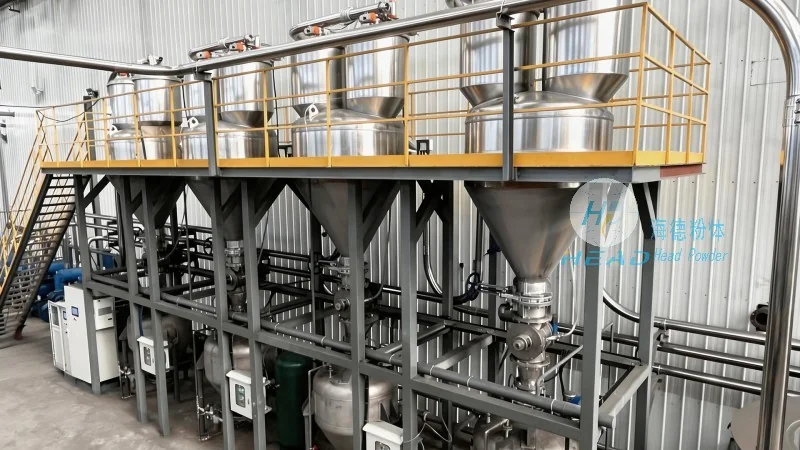
About Shandong HeadPowder Engineering Co., Ltd.
Shandong HeadPowder Engineering Co., Ltd., commonly known as HeadPowder, is a leading manufacturer and supplier of specialized material handling equipment, including film-coated sand conveying lines. With its headquarters located in Shandong, China, the company has established itself as a trusted partner for foundries and casting industries worldwide. HeadPowder specializes in designing and manufacturing customized conveying solutions that meet the unique requirements of each client. The company's team of engineers and technicians brings extensive experience in material handling systems, ensuring that every product is built to the highest standards of quality and reliability.
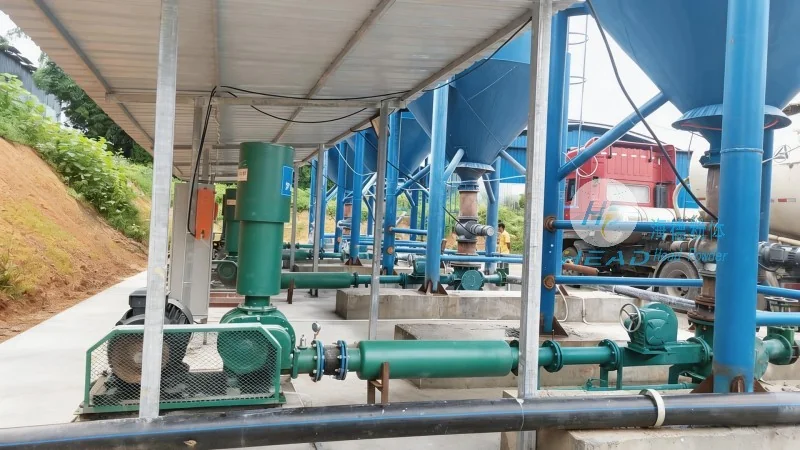
Design Principles of Film-Coated Sand Material Conveying Lines
The design of a film-coated sand material conveying line involves several key principles aimed at optimizing performance, efficiency, and material integrity. The first principle is the selection of appropriate conveying equipment that can handle the specific characteristics of the coated sand. This includes considering factors such as the sand's moisture content, particle size, and the thickness of the film coating. The system may incorporate belt conveyors, screw conveyors, or pneumatic conveyors, depending on the application and the desired level of automation. Another critical design principle is the integration of dust control measures to prevent the release of fine particles into the air. This is typically achieved through the use of sealed conveyor systems, dust collection hoods, and filtration systems. The design also emphasizes the importance of maintaining the temperature and humidity of the sand to prevent the film coating from degrading or peeling off. By carefully considering these factors, the conveying line can effectively transport the coated sand while preserving its quality and ensuring consistent performance.
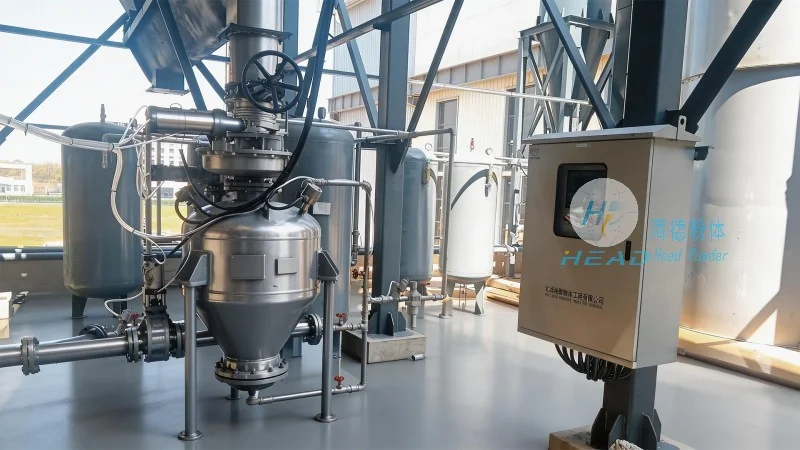
Components and Operational Workflow
A typical film-coated sand material conveying line consists of several interconnected components that work in sequence to move the sand from the source to the destination. The process begins with a feeder, which may be a hopper or a rotary valve, that regulates the flow of sand from the storage silo or batch mixer. The feeder ensures a consistent and controlled discharge of the sand into the conveyor system. Next, the sand is transported by the conveyor, which can be a belt conveyor, screw conveyor, or pneumatic conveyor, depending on the system design. The conveyor is equipped with appropriate supports and drives to maintain a steady speed and prevent material buildup. At various points along the line, there may be inspection stations or sampling points to monitor the quality of the sand. The system also includes control panels that allow operators to monitor the flow rate, temperature, and other parameters in real-time. The final component of the line is the discharge point, where the sand is delivered to the next stage of the casting process, such as molding or casting machines. The entire system is designed to be flexible and adaptable, allowing for adjustments to the flow rate or direction as needed to accommodate different production requirements.
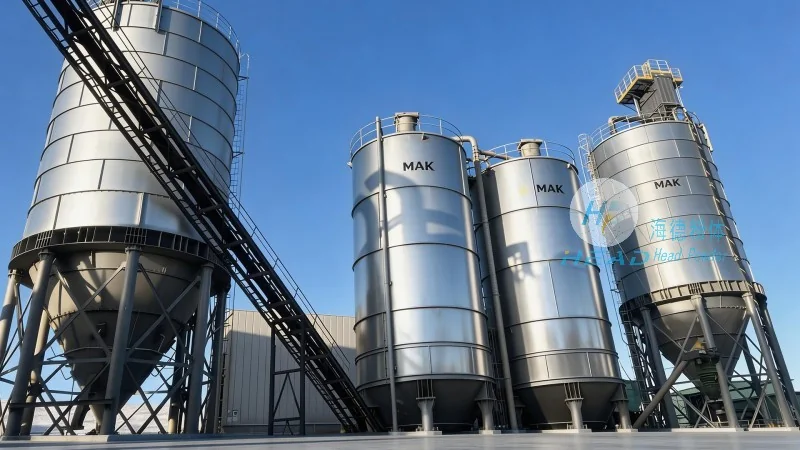
Applications and Benefits
Film-coated sand material conveying lines are widely used in various industries, particularly in foundries and casting operations. The primary application is in the transportation of sand that has been coated with a protective film to improve its properties, such as reducing dust, enhancing mold strength, or improving surface finish. The conveying line is essential for moving this specialized sand from the storage area to the molding or casting equipment. The benefits of using a film-coated sand conveying line include improved material handling efficiency, reduced labor costs, and enhanced product quality. By maintaining the integrity of the coated sand throughout the conveying process, the system helps to minimize defects in the final castings, such as porosity or surface imperfections. Additionally, the sealed and controlled environment of the conveying line reduces the risk of contamination from external sources, ensuring that the sand remains clean and consistent. The system also contributes to a safer working environment by minimizing dust exposure and improving air quality in the facility.