

What is a Compound Fertilizer Material Conveying Line? And What Are Its Design Principles?
For manufacturers in the fertilizer industry, the efficient and reliable transportation of raw materials is a critical aspect of production. A compound fertilizer material conveying line is a specialized system designed to handle the movement of bulk materials such as nitrogen, phosphorus, and potassium compounds, as well as other additives used in fertilizer production. This system plays a vital role in ensuring that raw materials are transported from storage areas to processing units with minimal loss and maximum efficiency. The design of such a line is tailored to meet the specific requirements of the fertilizer production process, considering factors like material properties, processing capacity, and operational safety.
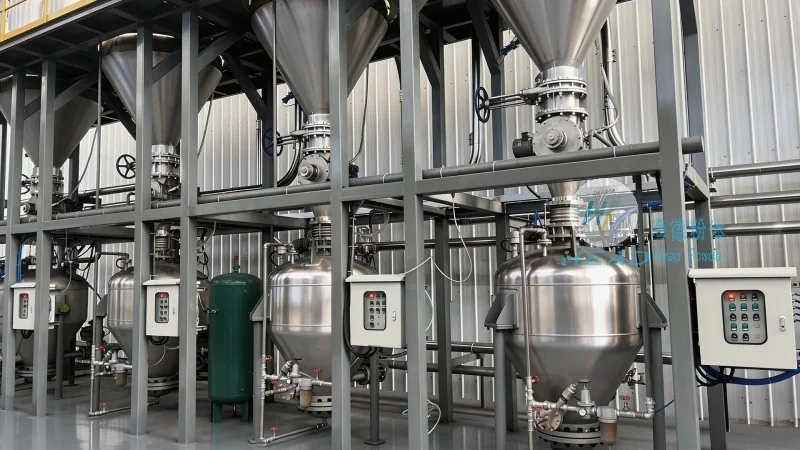
Key Components of a Compound Fertilizer Material Conveying Line
The compound fertilizer material conveying line typically consists of several key components that work in tandem to facilitate material transport. These components include feed hoppers, conveyor belts or screw conveyors, transfer points, and control systems. The feed hopper is responsible for receiving raw materials from storage silos or trucks and feeding them into the conveyor system. Conveyor belts or screw conveyors then transport the materials through the line, often with multiple transfer points to change direction or elevate the material to different levels. The control system monitors and regulates the flow of materials, ensuring that the system operates smoothly and safely. Each component is designed to handle the specific characteristics of fertilizer materials, such as their bulk density, flowability, and potential for dust generation.
Design Principles for Compound Fertilizer Material Conveying Lines
The design of a compound fertilizer material conveying line is guided by several fundamental principles aimed at optimizing performance and ensuring operational reliability. One of the primary principles is the consideration of material properties. Fertilizer materials can vary significantly in terms of their particle size, moisture content, and cohesive properties, which can affect their flow characteristics. The design must account for these variations to prevent issues like blockages, material bridging, or uneven flow. Another key principle is the need for efficient and continuous material transport. The system should be capable of handling high volumes of material while maintaining a consistent flow rate to support the production schedule. This often involves selecting the appropriate conveyor type and capacity based on the expected throughput and material characteristics.
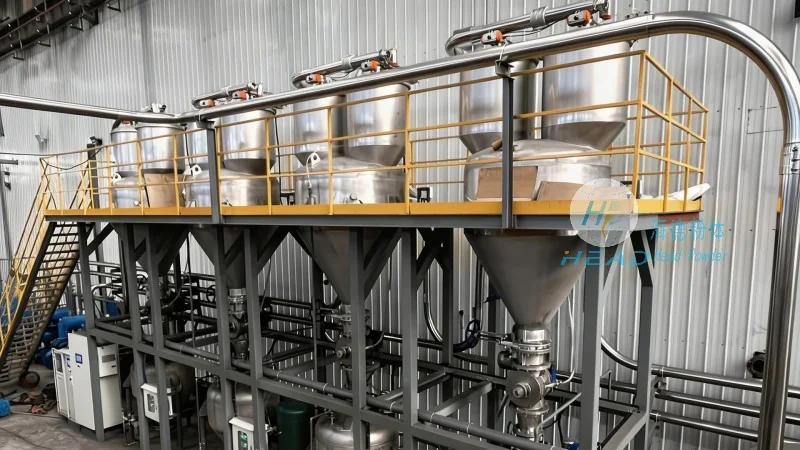
Material Handling and Process Integration
The compound fertilizer material conveying line is an integral part of the overall fertilizer production process. It connects the raw material storage and handling stages with the subsequent processing units, such as granulation, drying, and packaging. The design must ensure seamless integration with these downstream processes, minimizing material handling time and reducing the risk of contamination or loss. For example, the conveying system may need to be equipped with dust collection systems to control airborne particles and maintain a clean working environment. Additionally, the line may incorporate sensors and monitoring equipment to track material levels and detect any abnormalities in the flow, allowing for timely maintenance or adjustments.
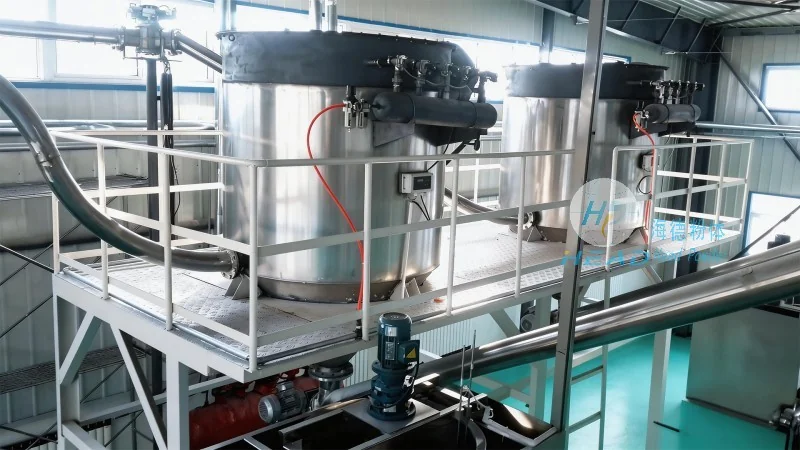
Operational Considerations and Maintenance
Operational efficiency and long-term reliability are crucial for the compound fertilizer material conveying line. Regular maintenance is essential to ensure that all components function correctly and to prevent breakdowns that could disrupt production. This includes routine inspections of conveyor belts, lubrication of moving parts, and cleaning of hoppers and transfer points to prevent material buildup. The design of the system should also consider factors like energy consumption and operational costs. For instance, using energy-efficient motors and optimizing the conveyor speed can help reduce operational expenses while maintaining the required throughput. Furthermore, the system should be designed with safety in mind, incorporating features like emergency stop buttons, protective guards, and proper ventilation to protect operators and prevent accidents.
Conclusion
In summary, a compound fertilizer material conveying line is a sophisticated system that plays a vital role in the fertilizer production process. Its design is tailored to handle the unique properties of fertilizer materials and to ensure efficient, safe, and reliable transport. By understanding the key components, design principles, and operational considerations, manufacturers can select and implement a conveying line that meets their production needs and enhances overall operational efficiency. The expertise of companies like Shandong HeadPowder Engineering Co., Ltd. is instrumental in designing and manufacturing such systems, providing customized solutions that address the specific challenges of fertilizer production.