

What is a Sawdust and Husk Powder Conveying Line? And What Are Its Design Principles?
Understanding the sawdust and husk powder conveying line is crucial for industries dealing with biomass materials. This equipment is specifically designed to transport fine powders such as sawdust and husk efficiently and safely. The following article will explore the fundamental aspects of this system, including its design principles and operational mechanisms, as developed by Shandong HeadPowder Engineering Co., Ltd.
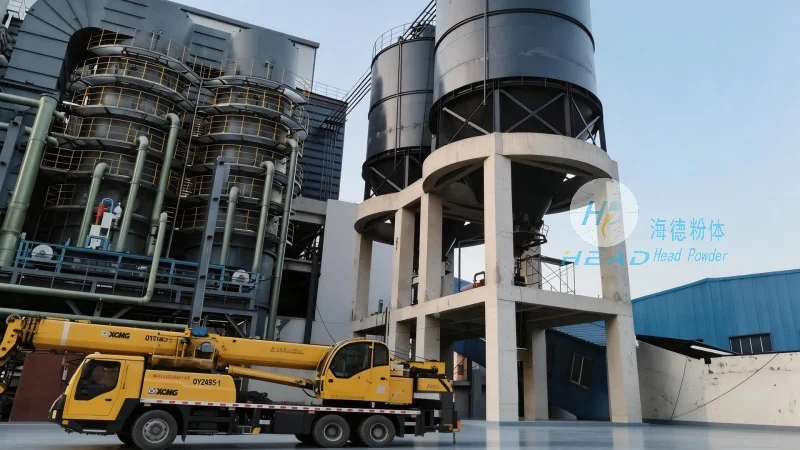
Introduction to Sawdust and Husk Powder Conveying Lines
A sawdust and husk powder conveying line is a specialized system used to move fine particulate materials like sawdust, corn husk, or other agricultural residues. These materials are typically generated from woodworking or agricultural processing and require reliable transportation to processing units, storage facilities, or downstream equipment. The primary goal of such a line is to ensure efficient, low-damage, and safe movement of these powders, which are often lightweight and prone to dust generation.
Key Components of the Conveying Line
The sawdust and husk powder conveying line typically consists of several key components that work in tandem to achieve effective material transport. These components include:
1. Feeding Hopper: This is the initial component where the raw sawdust or husk is loaded. The hopper is designed to evenly distribute the material into the conveying system, preventing blockages and ensuring consistent flow.
2. Pneumatic Conveying System: Many sawdust and husk conveying lines utilize pneumatic systems, which use air pressure to move the powders through a pipeline. This method is particularly effective for fine materials as it minimizes mechanical wear and reduces the risk of material degradation.
3. Conveying Pipeline: The pipeline is the main channel through which the material travels. It is usually made of durable materials like stainless steel or plastic to withstand the abrasive nature of the powders and to prevent leakage.
4. Control Unit: This component manages the entire system, regulating air pressure, flow rate, and other operational parameters to maintain optimal performance and prevent system failures.
Design Principles Behind the Conveying Line
The design of a sawdust and husk powder conveying line is based on several critical principles to ensure efficiency and reliability. These principles include:
1. Low Pressure and High Flow: The system operates at relatively low air pressure but with high flow rates to minimize energy consumption while maintaining effective material transport. This approach is particularly important for handling lightweight powders that require gentle handling.
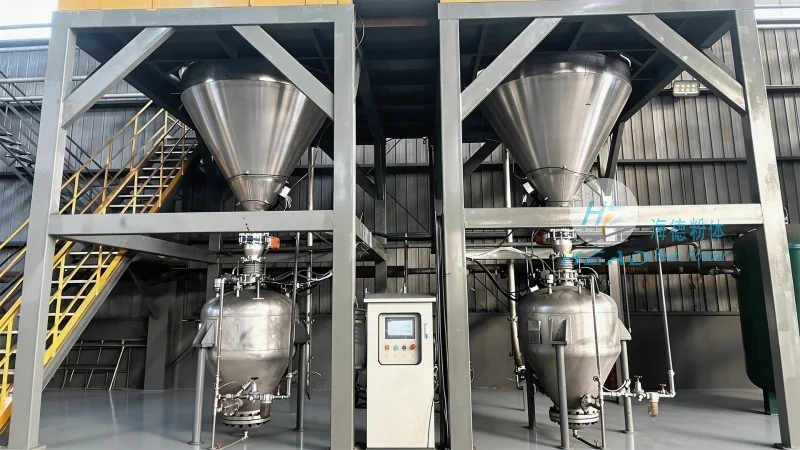
2. Uniform Material Distribution: The design ensures that the material is evenly distributed throughout the pipeline, preventing localized high concentrations that could lead to blockages or uneven flow.
3. Prevention of Material Agglomeration: The conveying line is designed to prevent the powders from clumping together, which could cause clogs and reduce system efficiency. This is achieved through proper air flow and material handling techniques.
4. Energy Efficiency: The system is engineered to minimize energy consumption by optimizing air pressure and flow rates. This not only reduces operational costs but also contributes to environmental sustainability.
Operational Mechanisms and Benefits
The operational mechanism of a sawdust and husk powder conveying line involves the use of compressed air to create a flow that carries the powders through the pipeline. The feeding hopper introduces the material into the system, and the control unit adjusts the air pressure to maintain a consistent flow rate. The pneumatic system ensures that the powders are transported without excessive mechanical stress, preserving their quality and preventing degradation.
There are several benefits associated with using a sawdust and husk powder conveying line. These include:
1. Efficient Material Transport: The system allows for the rapid and reliable movement of large quantities of sawdust and husk, improving overall production efficiency.
2. Reduced Labor Costs: Automated conveying reduces the need for manual handling of powders, lowering labor expenses and minimizing worker exposure to dust.
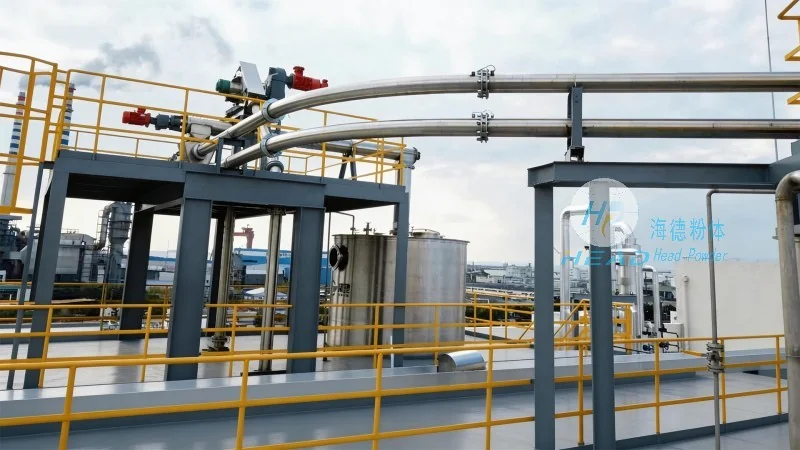
3. Enhanced Safety: By minimizing manual handling of powders, the system reduces the risk of dust explosions and other safety hazards.
4. Environmental Protection: The enclosed system prevents dust from being released into the environment, contributing to better air quality and compliance with environmental regulations.
Applications and Industries
Sawdust and husk powder conveying lines are widely used in various industries that process biomass materials. Some common applications include:
1. Woodworking and Furniture Manufacturing: Sawdust generated from woodworking processes is efficiently transported to storage or processing units.
2. Agricultural Processing: Husk and other agricultural residues are moved from fields or processing facilities to storage or further processing.
3. Energy Production: In biomass power plants, sawdust and husk are conveyed to fuel storage or combustion units for energy generation.
4. Animal Feed Production: The system can transport processed husk or sawdust to feed mills for animal feed production.
Conclusion
In conclusion, a sawdust and husk powder conveying line is a vital piece of equipment for industries dealing with fine biomass materials. Its design, based on principles of efficient material handling and energy conservation, ensures reliable and safe transport of sawdust and husk. The system's components work together to minimize material degradation, reduce operational costs, and enhance overall production efficiency. For businesses in the woodworking, agricultural, or energy sectors, investing in such a conveying line can significantly improve operational performance and contribute to sustainable practices.