

What is a Fly Ash Powder Conveying Machine? What Are Its Design Principles?
For industrial facilities dealing with fly ash, an efficient and reliable system for transporting this fine powder is crucial. This article explores the concept of a fly ash powder conveying machine, detailing its design principles and operational aspects to help users understand its functionality and importance in modern industrial applications.
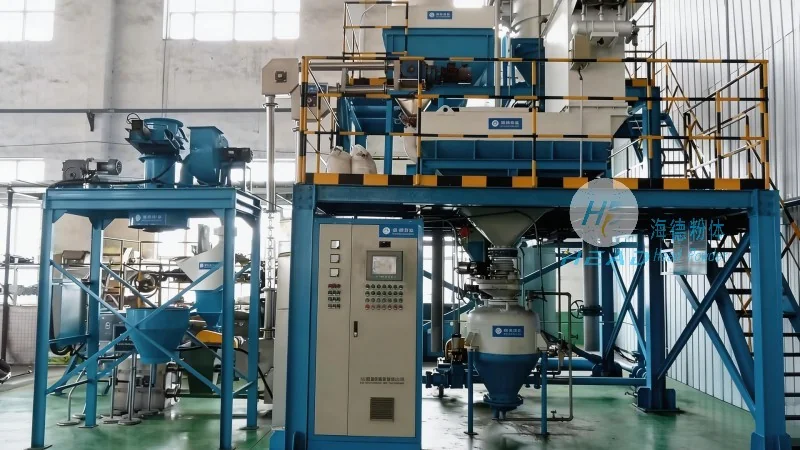
Understanding the Fly Ash Powder Conveying Machine
A fly ash powder conveying machine is a specialized piece of equipment designed to transport fly ash, a byproduct of coal combustion, from one location to another within industrial facilities. Fly ash, being a fine particulate material, requires a system that can handle its characteristics, such as low bulk density and high dustiness, without causing operational issues or environmental hazards. The machine is engineered to ensure safe, efficient, and consistent transport of fly ash, which is essential for its subsequent use in applications like cement production, construction materials, or other industrial processes.
Key Design Principles of the Fly Ash Powder Conveying Machine
The design of a fly ash powder conveying machine is based on several critical principles to ensure optimal performance and reliability. These principles include:
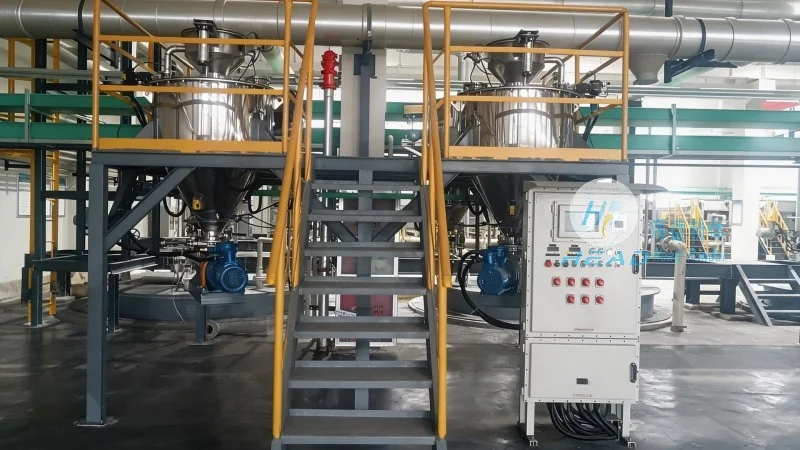
- Material Handling Efficiency: The machine is constructed to handle the unique properties of fly ash, including its fine particle size and low bulk density. Specialized components, such as high-capacity feeders and flexible hoses or pipes, are used to ensure smooth and continuous material flow.
- Airtight and Dust-Free Operation: To prevent dust emissions and maintain a clean working environment, the conveying system is designed with airtight seals and enclosed pathways. This design minimizes the risk of dust contamination and ensures compliance with environmental regulations.
- Energy Efficiency: Modern fly ash powder conveying machines incorporate energy-saving features, such as variable speed drives and optimized airflow, to reduce operational costs while maintaining performance.
- Durability and Corrosion Resistance: Given that fly ash can be abrasive and may contain corrosive components, the machine's components are made from durable materials, such as stainless steel or high-grade alloys, to withstand wear and corrosion over time.
Components and Operational Mechanism
The fly ash powder conveying machine typically consists of several key components that work together to achieve efficient material transport. These components include:
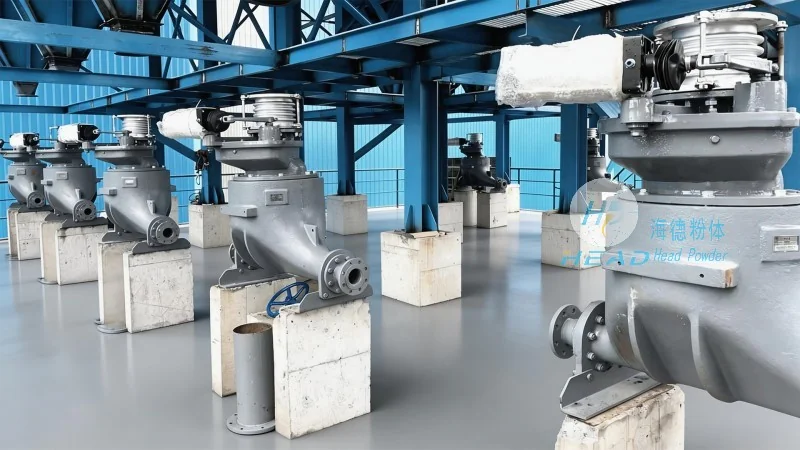
- Feeder: The feeder is responsible for uniformly feeding the fly ash into the conveying system. It ensures a consistent flow rate, preventing blockages and ensuring smooth operation.
- Conveying Pipeline: The pipeline, often made of flexible hoses or rigid pipes, transports the fly ash from the source to the destination. The design of the pipeline, including its diameter and material, is optimized to handle the specific characteristics of fly ash.
- Pneumatic or Mechanical Conveying System: Depending on the design, the machine may use either pneumatic (air-assisted) or mechanical (e.g., screw or belt) conveying methods. Pneumatic systems are common for fine powders like fly ash, as they can handle high volumes and long distances with minimal maintenance.
- Control System: The control system monitors and regulates the operation of the conveying machine, ensuring that it operates within safe and efficient parameters. This includes features like pressure monitoring, flow rate control, and automatic shutdown in case of malfunctions.
Applications and Benefits
The fly ash powder conveying machine is widely used in various industrial sectors, particularly in power plants, cement factories, and construction material manufacturers. Its primary benefits include:
- Improved Process Efficiency: By ensuring consistent and reliable transport of fly ash, the machine enhances the overall efficiency of industrial processes, reducing downtime and increasing productivity.
- Environmental Compliance: The airtight design and dust control features help facilities comply with environmental regulations, minimizing the risk of dust emissions and protecting the surrounding environment.
- Cost Reduction: Efficient material handling reduces operational costs associated with manual handling, storage, and transportation of fly ash.
- Enhanced Safety: The enclosed system and automated controls reduce the risk of accidents and exposure to harmful dust particles, improving workplace safety.
Conclusion
In summary, a fly ash powder conveying machine is a critical piece of equipment for industrial facilities dealing with fly ash. Its design, based on principles of material handling efficiency, dust control, energy efficiency, and durability, ensures reliable and safe transport of this fine powder. By understanding the design principles and operational aspects of such a machine, industrial users can make informed decisions about implementing effective fly ash management systems. For those seeking reliable solutions, companies like Shandong HeadPowder Engineering Co., Ltd., based in China, offer specialized equipment tailored to meet the unique needs of industrial applications.