

What is a Dust Collection Powder Conveying System Equipment? What is its Design Principle?
For industrial facilities dealing with dust and particulate matter, efficient handling and transportation of collected dust are critical for maintaining operational efficiency and compliance with environmental regulations. This article explores the dust collection powder conveying system equipment, detailing its components, design principles, and practical applications. The information is provided by Shandong HeadPowder Engineering Co., Ltd., a leading manufacturer based in Shandong, China.
Introduction to Dust Collection Powder Conveying Systems
At the heart of many industrial processes, dust collection systems capture airborne particles, transforming them into a manageable solid material known as dust or fly ash. Once collected, this material must be transported to storage or disposal sites. The dust collection powder conveying system equipment is specifically engineered to handle these fine, dry powders with precision and reliability. These systems are essential for industries such as power generation, cement production, and metal processing, where large volumes of dust are generated daily.
Understanding the Equipment's Core Components
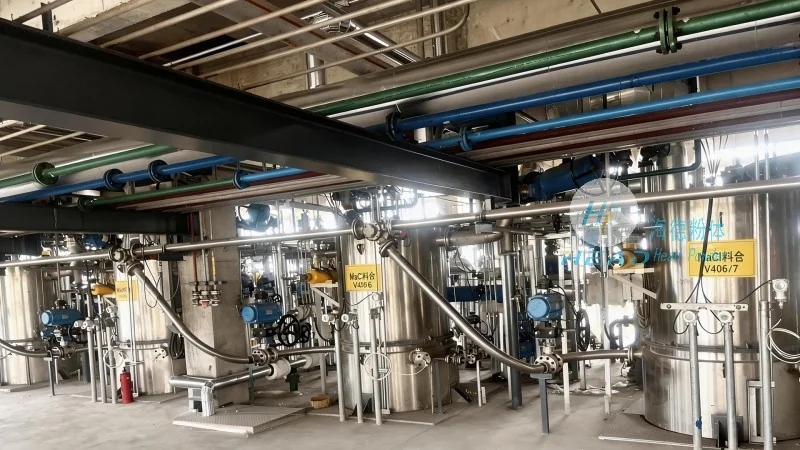
The dust collection powder conveying system typically consists of several key components that work in tandem to ensure smooth operation. The primary components include a dust collector, a conveying device (such as a pneumatic or mechanical conveyor), a hopper or storage bin, and a control system. Each component plays a vital role in the overall functionality of the system. The dust collector, often a baghouse or electrostatic precipitator, captures the particulate matter from the air stream. The collected dust then falls into a hopper, which feeds the conveying system. The conveying device transports the dust to the desired location, such as a silo or waste container. The control system monitors and regulates the flow of dust, ensuring consistent performance and preventing blockages or overloads.
Design Principles Behind the System
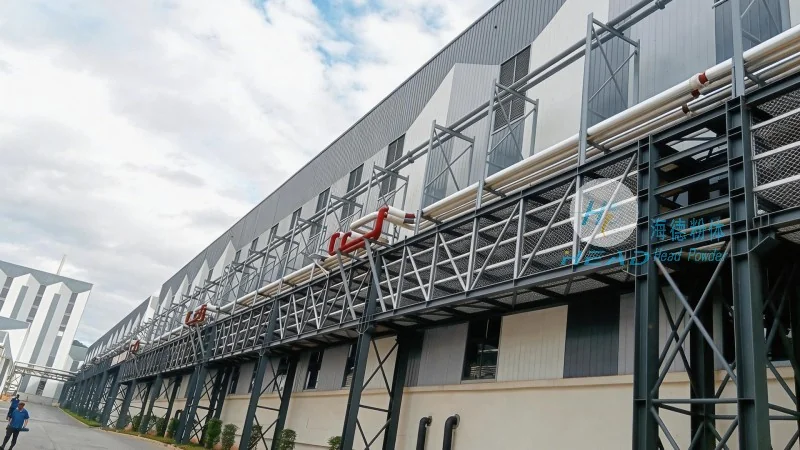
The design of a dust collection powder conveying system is guided by several fundamental principles aimed at maximizing efficiency, minimizing energy consumption, and ensuring safety. One of the key design principles is the use of appropriate materials to handle the specific characteristics of the dust, such as its moisture content, particle size, and abrasiveness. For example, materials like stainless steel or special alloys are often used to prevent corrosion and wear from the abrasive dust particles. Another critical principle is the selection of the right conveying method. Pneumatic conveying systems, which use air pressure to move the dust, are common for fine powders, while mechanical systems like screw conveyors or belt conveyors are suitable for larger or bulkier materials. The design also considers the system's capacity, ensuring it can handle the expected volume of dust without overloading. Additionally, the system is designed to minimize dust emissions during operation, adhering to environmental regulations and maintaining a clean working environment.
Application Scenarios and Operational Efficiency
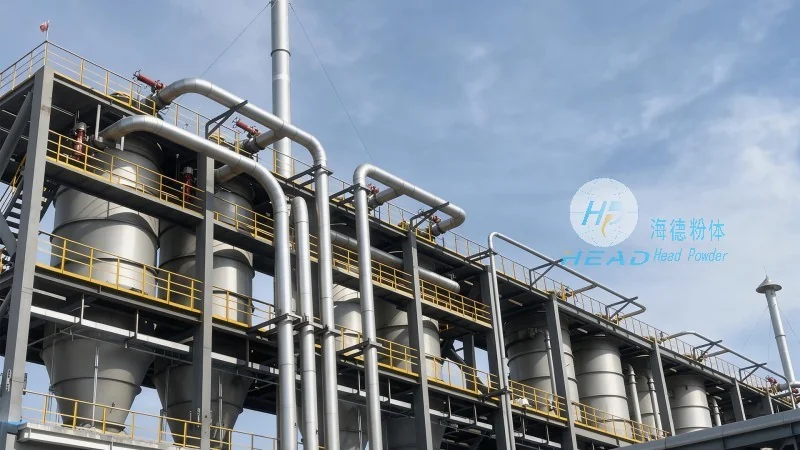
Dust collection powder conveying systems are widely used in various industrial applications where dust management is crucial. In power plants, for instance, these systems handle fly ash from coal combustion, transporting it to ash storage facilities. In cement factories, they manage raw material dust and finished product powders, ensuring smooth production processes. The efficiency of these systems directly impacts the overall operational performance of the facility. A well-designed system reduces downtime due to blockages, lowers energy costs by optimizing air usage, and improves safety by preventing dust explosions. The control systems in modern dust collection powder conveying systems often include sensors and automation features that monitor pressure, flow rates, and temperature, allowing for real-time adjustments and predictive maintenance. This proactive approach enhances operational efficiency and extends the lifespan of the equipment.
Technical Advancements and Industry Standards
Over the years, dust collection powder conveying systems have undergone significant technical advancements to meet evolving industry needs. Modern systems often incorporate advanced materials, such as high-strength polymers and corrosion-resistant coatings, to improve durability and reduce maintenance costs. Automation and digital control systems have become standard, enabling remote monitoring and data analysis. These advancements allow for better optimization of the system's performance and early detection of potential issues. In terms of industry standards, the design and operation of dust collection powder conveying systems must comply with regulations such as the EPA's standards for air quality and the ASME codes for pressure vessels. Manufacturers like Shandong HeadPowder Engineering Co., Ltd. adhere to these standards to ensure their products are safe, reliable, and effective. Continuous research and development in the field ensure that these systems remain at the forefront of dust management technology, providing sustainable solutions for industrial facilities worldwide.