

What is a Sodium Sulfate Powder Conveying System? What Are Its Design Principles?
For industrial applications involving sodium sulfate, the efficient and reliable transportation of this powder is crucial. A specialized system designed for this purpose is known as a sodium sulfate powder conveying system. This article explores the functionality and design principles behind such a system, providing insights into how it operates and the key considerations in its development. Developed by Shandong HeadPowder Engineering Co., Ltd., commonly referred to as headpowder, this system is tailored to meet the specific needs of industries that handle sodium sulfate.
Introduction to the Sodium Sulfate Powder Conveying System
The sodium sulfate powder conveying system is a critical piece of equipment used in various industrial processes, particularly in the chemical and manufacturing sectors. Sodium sulfate, also known as Glauber's salt, is a white crystalline solid commonly used as a drying agent, in detergents, and in the production of glass and paper. Due to its fine powder form, conventional methods of handling and transporting it can be challenging, as it tends to create dust, clog pipes, and require specialized equipment to manage its flow properties. The conveying system addresses these challenges by providing a controlled and efficient means of moving sodium sulfate from storage to processing units.
Key Components of the Conveying System
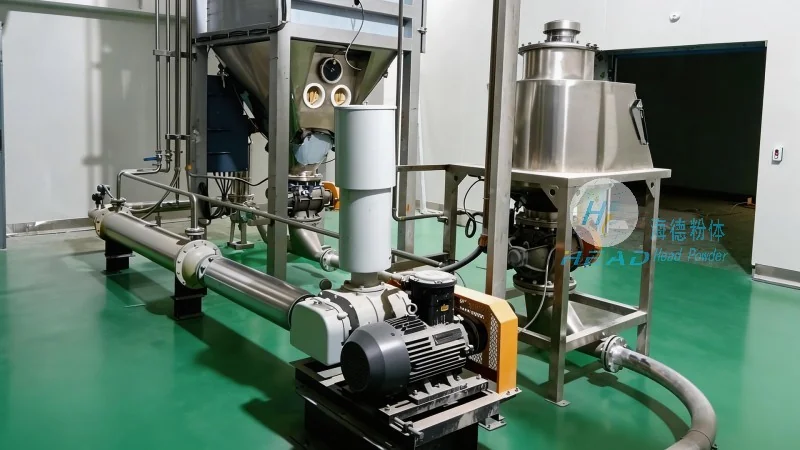
The sodium sulfate powder conveying system typically consists of several interconnected components that work together to ensure smooth operation. These components include a hopper for material storage, a feeder mechanism to regulate the flow of powder, a conveyor or transport device (such as a screw conveyor, pneumatic conveyor, or belt conveyor) to move the material, and a control system to monitor and adjust the process. Each component plays a vital role in maintaining the integrity of the sodium sulfate powder and ensuring efficient transport.
The Design Principles Behind the System
The design of a sodium sulfate powder conveying system is based on several fundamental principles aimed at optimizing performance, safety, and efficiency. One of the primary principles is the prevention of material degradation and caking, which can occur if the powder is exposed to moisture or improper handling. The system is designed with materials that are resistant to corrosion and wear, ensuring long-term durability. Additionally, the design considers the flow characteristics of sodium sulfate, which can vary depending on particle size, moisture content, and temperature. By adjusting the speed of the conveyor and the pressure in pneumatic systems, the system can maintain consistent flow rates and prevent blockages.
Feeding Mechanisms and Flow Control
Effective feeding is a critical aspect of the sodium sulfate powder conveying system. The feeder mechanism, often a rotary valve or a screw feeder, is designed to provide a uniform and controlled flow of material from the hopper to the conveyor. This ensures that the powder is conveyed at a consistent rate, preventing surges or interruptions that could lead to equipment damage or product quality issues. The design of the feeder also considers the potential for the powder to stick to the walls of the hopper or feeder, which can affect flow rates. Anti-sticking coatings or regular cleaning mechanisms are often incorporated to maintain optimal performance.
Conveyor Types and Their Applications
Several types of conveyors are used in sodium sulfate powder conveying systems, each with its own advantages and suitable applications. Screw conveyors are commonly used for horizontal or slightly inclined transport, as they can handle a wide range of particle sizes and are relatively simple to install. Pneumatic conveyors, on the other hand, use air pressure to move the powder through a pipeline, which is ideal for long-distance transport or when the powder needs to be transported in a closed system to prevent dust exposure. Belt conveyors are suitable for larger quantities of material and can handle bulkier loads, making them appropriate for high-volume production lines.
Control and Monitoring Systems
Modern sodium sulfate powder conveying systems are equipped with advanced control and monitoring systems to ensure optimal operation. These systems typically include sensors to measure the flow rate, pressure, and temperature of the material, as well as alarms and indicators to alert operators of any issues. The control system can automatically adjust the speed of the conveyor or the pressure in pneumatic systems based on real-time data, ensuring that the system operates within safe and efficient parameters. This level of automation not only improves productivity but also enhances safety by reducing the risk of human error.
Safety Considerations in Design
Given the nature of sodium sulfate powder, which can create dust and pose respiratory hazards, safety is a paramount consideration in the design of the conveying system. The system is designed with enclosed hoppers and conveyors to minimize dust exposure and prevent the spread of particles. Additionally, the equipment is equipped with dust collection systems and ventilation to maintain a safe working environment. The design also includes features such as emergency stop buttons and interlocks to prevent accidental release of material or damage to the equipment.
Maintenance and Operational Tips
To ensure the longevity and efficiency of the sodium sulfate powder conveying system, regular maintenance is essential. This includes cleaning the hopper and feeder to prevent caking, inspecting the conveyor for wear and tear, and checking the control system for proper functionality. Operators should also be trained on the proper operation of the system, including how to adjust the flow rate and handle any issues that may arise. By following these maintenance and operational tips, the system can operate at peak performance and minimize downtime.
Conclusion
In conclusion, the sodium sulfate powder conveying system is a sophisticated piece of equipment designed to efficiently and safely transport sodium sulfate powder in industrial applications. Its design is based on principles that address the unique challenges of handling fine powders, including preventing caking, controlling flow, and ensuring safety. By incorporating advanced components and control systems, the system provides reliable performance and contributes to the overall efficiency of industrial processes. For companies dealing with sodium sulfate, investing in a well-designed conveying system is essential for maintaining productivity and ensuring product quality.