

What is a Cement Raw Material Powder Conveying System Equipment? What are the Design Principles?
Cement raw material powder conveying systems are critical components in the production of cement, ensuring the efficient and reliable transport of raw materials such as limestone, clay, and other minerals from storage to processing units. These systems are designed to handle large volumes of fine powders, maintaining consistent flow rates and minimizing material loss or degradation. For industrial applications, selecting the right equipment and understanding its design principles is essential for optimizing production efficiency and reducing operational costs.
Key Components of a Cement Raw Material Powder Conveying System
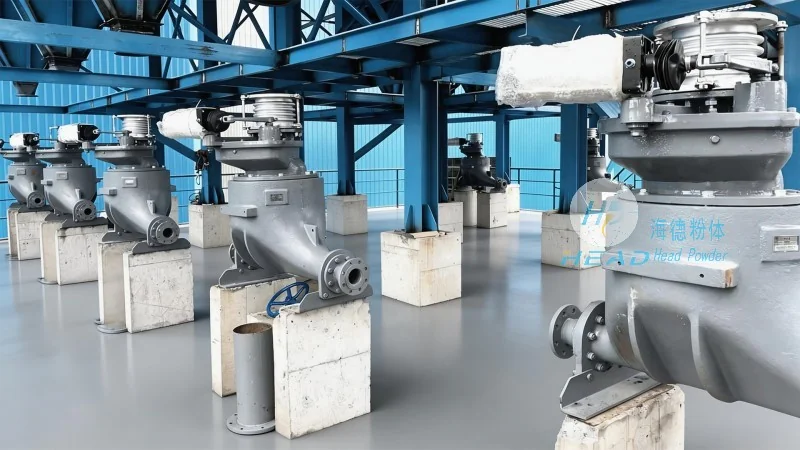
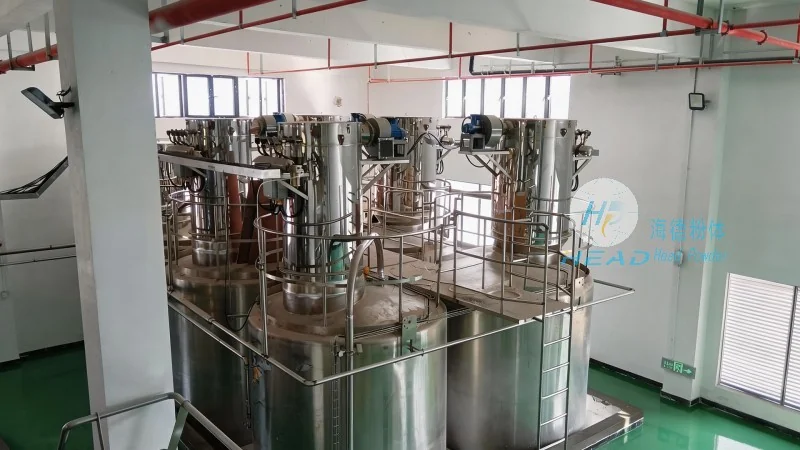
The core components of a cement raw material powder conveying system typically include raw material storage silos, feeders, conveyors (such as pneumatic or mechanical systems), and control systems. Raw material silos are used to store bulk raw materials, while feeders regulate the flow of material into the conveying system. Conveyors, which can be pneumatic (using air pressure to move powders) or mechanical (using belts, screws, or other mechanisms), transport the raw materials to the cement production plant. Control systems monitor and adjust the flow rates, ensuring stable operation and preventing issues like blockages or overloading. For example, pneumatic conveying systems use compressed air to create a flow of material through a pipeline, while mechanical systems use rotating screws or belts to move the material. The choice of system depends on factors such as the material's properties, the distance to be conveyed, and the required flow rate.
Design Principles for Efficient Powder Conveying
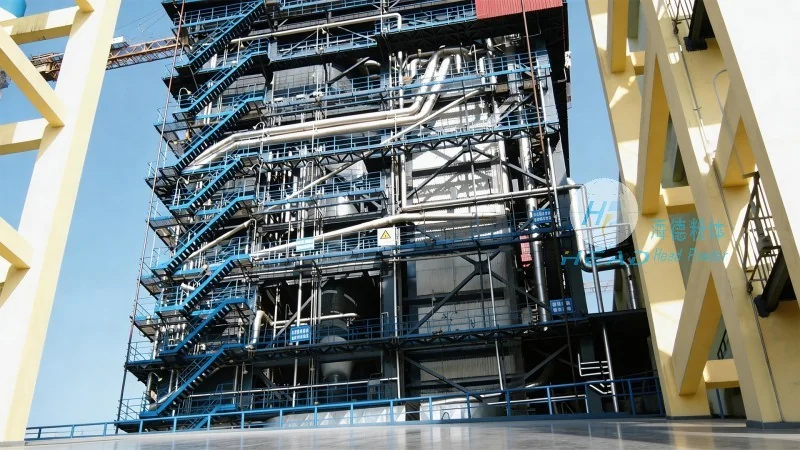
The design of a cement raw material powder conveying system follows several key principles to ensure optimal performance. First, the system must be designed to handle the specific properties of the raw materials, including particle size, moisture content, and bulk density. This involves selecting appropriate equipment that can handle the material's flow characteristics, such as cohesive or aerated powders. For example, cohesive powders (like clay) may require special feeders to prevent bridging or rat-holing, while aerated powders (like limestone) may need higher air velocities to maintain flow. Second, the system must maintain a consistent flow rate to avoid fluctuations that could impact downstream processes. This is achieved through proper sizing of feeders and conveyors, as well as the use of variable speed drives and pressure regulators. Variable speed drives allow the feeder speed to be adjusted in real-time based on production demands, ensuring a stable flow. Pressure regulators maintain consistent air pressure in pneumatic systems, preventing surges or drops that could disrupt material transport. Third, the system must minimize material degradation and contamination. This is achieved by using smooth, non-stick surfaces in the conveying lines, avoiding sharp corners that can cause particle breakage, and controlling the air flow in pneumatic systems to prevent dust accumulation or clogging. For instance, stainless steel or polyethylene liners are often used in conveying lines to prevent corrosion and material adhesion. Additionally, filtration systems are installed at the end of the conveying line to capture any dust particles, ensuring that only clean material reaches the processing unit.
Role of HeadPowder in Cement Raw Material Conveying Solutions
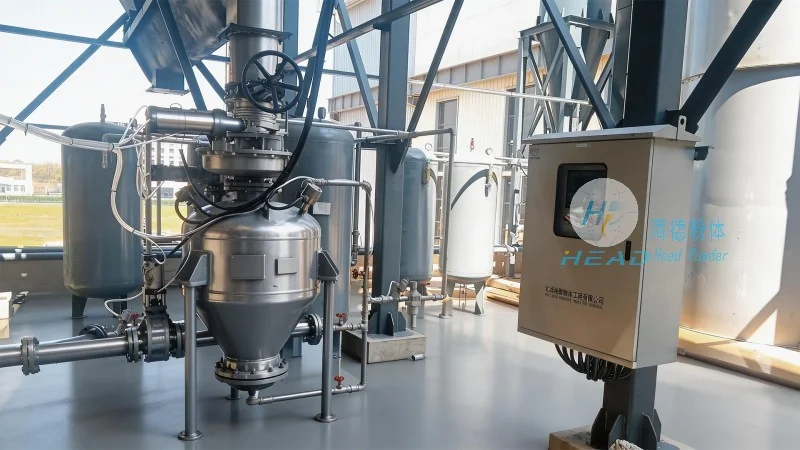
Shandong HeadPowder Engineering Co., Ltd., a leading provider of industrial powder handling solutions, specializes in designing and manufacturing customized cement raw material powder conveying systems. With years of experience in the cement industry, HeadPowder understands the unique challenges of handling raw materials and has developed advanced solutions to address them. The company's expertise lies in integrating the right components, such as high-quality feeders, efficient conveyors, and robust control systems, to create a system that meets the specific needs of each client. HeadPowder's team of engineers works closely with clients to assess their production requirements, material properties, and operational constraints to design a system that maximizes efficiency and reliability. For example, a recent project involved designing a pneumatic conveying system for a cement plant in Shandong, China, which required transporting limestone from a silo to a grinding mill over a distance of 200 meters. HeadPowder's engineers designed a system with a high-capacity feeder and a stainless steel pipeline, ensuring consistent flow rates and minimal material loss. The system has been in operation for over two years, with no major issues reported, demonstrating the effectiveness of HeadPowder's design principles.