

What is a Desulfurization and Denitrification Agent Powder Conveying System Equipment? What Are Its
Welcome to Shandong HeadPowder Engineering Co., Ltd., where we specialize in providing advanced solutions for the efficient handling of desulfurization and denitrification agents. Our focus is on the design and implementation of reliable powder conveying systems that meet the stringent requirements of modern industrial applications.
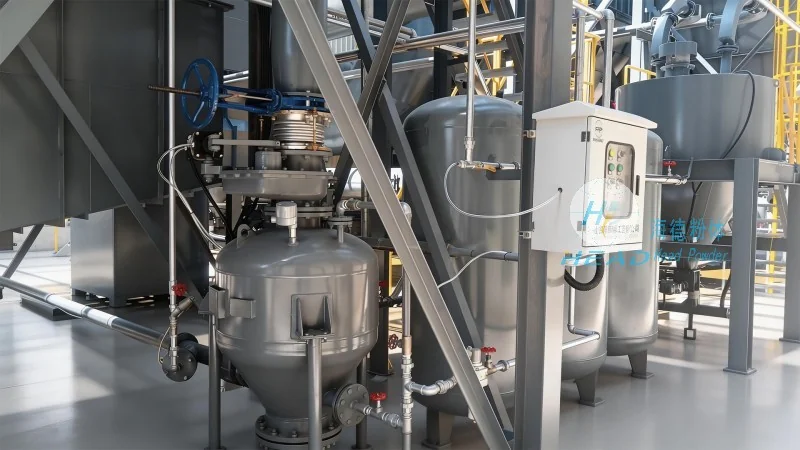
Understanding the Desulfurization and Denitrification Agent Powder Conveying System Equipment
A desulfurization and denitrification agent powder conveying system is a specialized piece of industrial equipment designed to transport dry powders used in flue gas treatment processes. These agents, such as lime, limestone, or other reagents, are critical components in reducing sulfur dioxide (SO₂) and nitrogen oxides (NOₓ) emissions from power plants and other industrial facilities. The system equipment ensures that these powders are delivered accurately and consistently to the point of use, optimizing the efficiency of the desulfurization and denitrification processes.
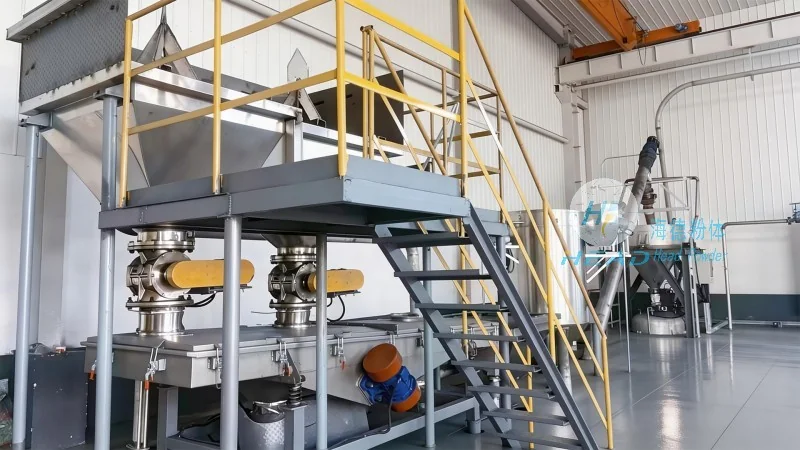
Key Components of the Powder Conveying System
The powder conveying system typically consists of several key components that work in tandem to ensure smooth and reliable operation. These include:
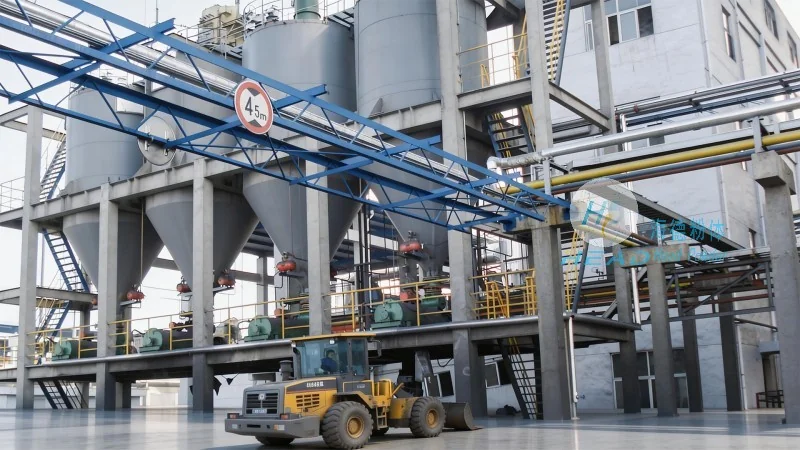
- Pneumatic Conveying Lines: These lines use compressed air to transport the powder from the storage silo to the injection point. The design of the lines, including the use of bends, elbows, and straight sections, is crucial for maintaining the flow rate and preventing particle segregation or blockages.
- Feeding Devices: Equipment like rotary valves or star feeders is used to control the flow rate of the powder from the storage silo into the conveying line. These devices ensure a consistent and controlled feed, which is essential for maintaining the performance of the desulfurization and denitrification process.
- Filtering and Separation Systems: To prevent dust and particles from escaping into the environment, the system includes filters and separators. These components ensure that the powder is handled in a clean and environmentally friendly manner, meeting regulatory standards.
- Control Systems: Advanced control systems are integrated into the equipment to monitor and regulate the flow rate, pressure, and other parameters. This allows for real-time adjustments to maintain optimal performance and prevent system failures.
The Design Principles Behind the System
The design of a desulfurization and denitrification agent powder conveying system is guided by several key principles aimed at maximizing efficiency, reliability, and safety. These principles include:
- Material Compatibility: The system components are designed to be compatible with the specific properties of the desulfurization and denitrification agents, including their particle size, moisture content, and chemical reactivity. This ensures that the equipment can handle the powders without degradation or corrosion.
- Flow Optimization: The design focuses on optimizing the flow of the powder through the conveying lines to minimize pressure drop and energy consumption. This is achieved through the use of appropriate pipe diameters, bends, and the selection of the right conveying velocity.
- Prevention of Blockages: The system incorporates features to prevent blockages, such as the use of anti-static materials, proper venting, and the inclusion of cleaning mechanisms. This ensures continuous operation and reduces downtime.
- Environmental Compliance: The design adheres to environmental regulations by incorporating dust collection and filtration systems. This ensures that the operation of the system does not contribute to air pollution and meets the required emission standards.
Applications and Benefits of the System
The desulfurization and denitrification agent powder conveying system is widely used in power generation, chemical manufacturing, and other industrial sectors where flue gas treatment is required. The benefits of using this system include:
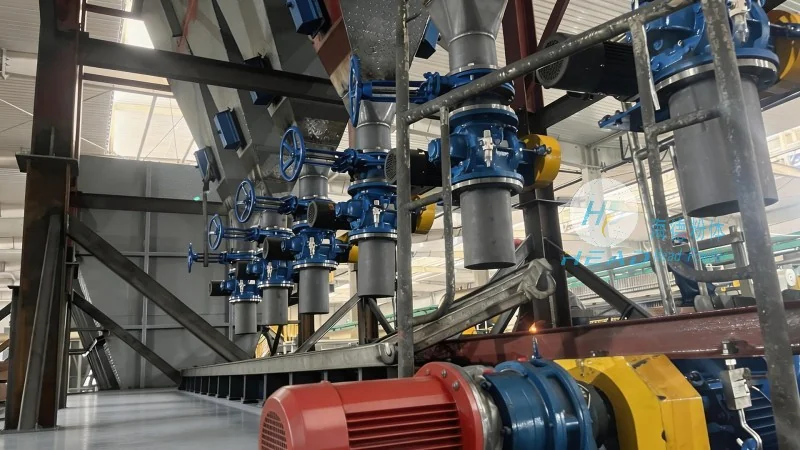
- Improved Efficiency: By ensuring consistent and accurate delivery of the desulfurization and denitrification agents, the system enhances the efficiency of the flue gas treatment process, reducing emissions and improving overall plant performance.
- Reduced Downtime: The reliable design and advanced control systems minimize the risk of system failures and blockages, leading to reduced maintenance and downtime.
- Enhanced Safety: The system is designed with safety in mind, including features like dust collection and proper ventilation, which protect both personnel and the environment.
- Cost-Effective Operation: The optimized flow and energy-efficient design result in lower operating costs compared to traditional methods of powder handling.
Conclusion
At Shandong HeadPowder Engineering Co., Ltd., we understand the critical role that desulfurization and denitrification agent powder conveying systems play in modern industrial operations. Our expertise in designing and manufacturing these systems ensures that our clients receive reliable, efficient, and environmentally compliant solutions. By adhering to the principles of material compatibility, flow optimization, and safety, our systems help industries meet their emission reduction targets while maintaining operational efficiency.