

What is Dusty Ash Material Conveying? And What Are Its Design Principles?
For industrial facilities dealing with the handling and transportation of dusty ash materials, understanding the mechanisms and design principles of effective material conveying systems is crucial. This article explores the concept of dusty ash material conveying and the underlying design principles that ensure efficient, safe, and reliable operation of such systems.
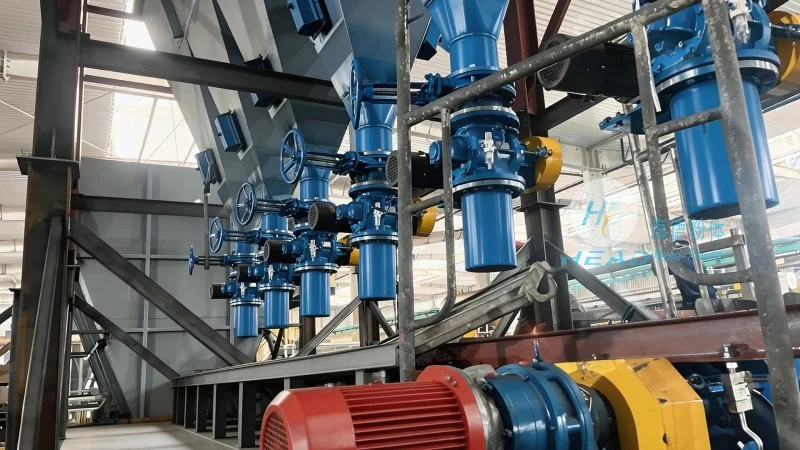
Understanding Dusty Ash Material Conveying
Dusty ash, often generated from industrial processes like power generation, metallurgy, or cement production, presents unique challenges in material handling due to its fine particle size, abrasive nature, and potential for dust dispersion. Material conveying systems designed for dusty ash must address these challenges to prevent equipment wear, maintain air quality, and ensure consistent material flow. The primary goal of dusty ash material conveying is to transport these fine particles from one location to another with minimal loss, contamination, and operational disruption.
Design Principles of Dusty Ash Material Conveying Systems
The design of a dusty ash material conveying system is guided by several key principles aimed at optimizing performance, durability, and safety. These principles include material compatibility, system efficiency, and environmental protection. Material compatibility involves selecting components that can withstand the abrasive and corrosive properties of dusty ash, such as high-quality stainless steel or specialized coatings for conveyor belts and pipelines. System efficiency focuses on minimizing energy consumption and maximizing throughput, often achieved through optimized conveyor speeds, proper particle size distribution, and efficient air sealing. Environmental protection is a critical consideration, as dusty ash can contribute to air pollution if not properly contained. Design principles also emphasize the use of sealed systems, dust collection mechanisms, and regular maintenance to reduce emissions and ensure compliance with environmental regulations.
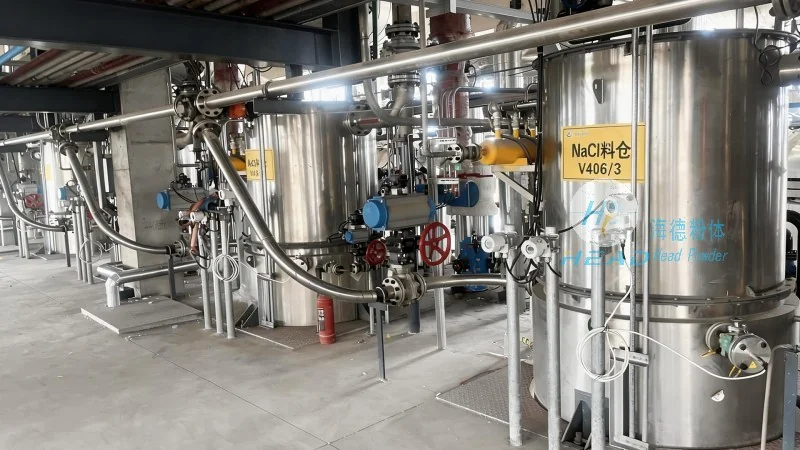
Key Components and Their Functionality
Several critical components make up a typical dusty ash material conveying system. The primary components include the feeding mechanism, conveyor system (e.g., screw conveyors, pneumatic conveyors, or belt conveyors), and the collection or discharge system. The feeding mechanism, such as a hopper or feeder, ensures a consistent and controlled flow of dusty ash into the conveyor. The conveyor system transports the material through the pipeline or belt, with pneumatic conveyors being particularly effective for fine, dry dusty ash due to their ability to handle low to medium flow rates and minimize particle degradation. The collection or discharge system ensures the material is delivered to its intended destination, such as a storage silo or processing unit, without spillage or dust release. Each component is designed to work in harmony, with features like airlocks and sealing mechanisms to prevent dust leakage and maintain system integrity.
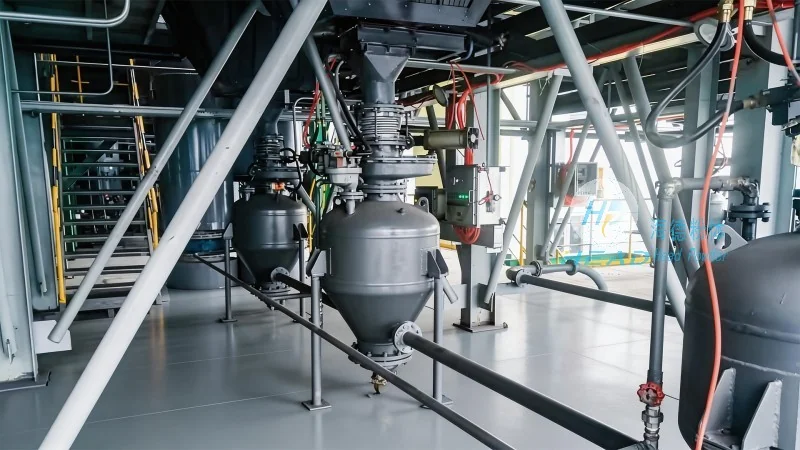
Application Scenarios and Benefits
Dusty ash material conveying systems are widely used in various industrial applications, including power plants, steel mills, and cement factories. In power plants, for example, these systems are used to transport fly ash from boilers to storage facilities or to other processing units. The benefits of such systems include improved operational efficiency, reduced labor costs, and enhanced safety by minimizing manual handling of dusty materials. Additionally, efficient conveying systems help in maintaining the quality of the ash, which can be reused in other industrial processes, such as cement production or as a filler material. The use of sealed and automated systems also reduces the risk of dust exposure for workers, contributing to a safer working environment. Overall, the design and implementation of effective dusty ash material conveying systems offer significant advantages in terms of productivity, cost savings, and environmental compliance.
Conclusion
In conclusion, dusty ash material conveying is a specialized field that requires careful consideration of design principles and component selection to address the unique challenges posed by dusty ash materials. The systems developed by companies like Shandong HeadPowder Engineering Co., Ltd. in China leverage advanced engineering and material science to provide reliable, efficient, and environmentally friendly solutions for industrial material handling. By adhering to principles of material compatibility, system efficiency, and environmental protection, these systems ensure that dusty ash can be transported safely and effectively, supporting the operational needs of modern industrial facilities while minimizing risks and costs.