

What is Grain and Bulk Material Conveying? What Are the Design Principles?
Grain and bulk material conveying is a critical process in various industries, particularly in agriculture, food processing, and manufacturing. It involves the movement of bulk materials such as grains, powders, and other granular substances from one location to another. This operation is essential for efficient production, storage, and distribution of these materials. The design principles behind such systems are crucial for ensuring optimal performance, reliability, and safety.
Understanding Grain and Bulk Material Conveying
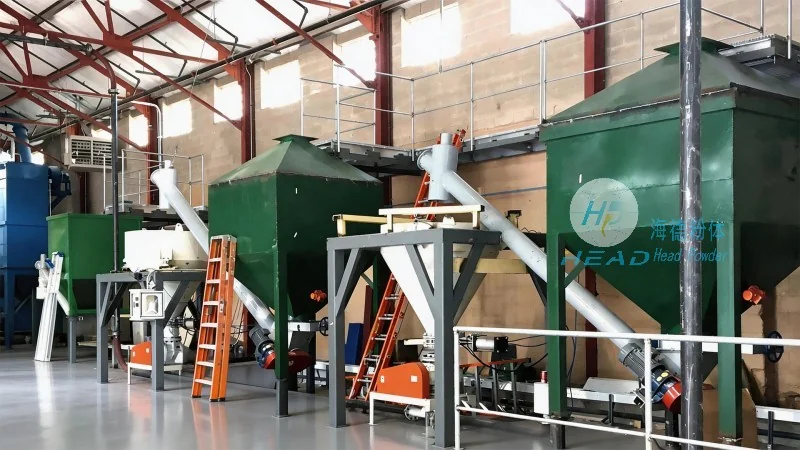
At its core, grain and bulk material conveying refers to the technology and systems used to transport bulk materials in bulk form. These materials can include agricultural products like wheat, corn, and rice, as well as industrial powders like cement, flour, or chemical granules. The primary goal of these systems is to move large quantities of material with minimal human intervention, reducing labor costs and increasing operational efficiency. Conveying systems are integral to supply chains, enabling seamless transitions between storage, processing, and distribution stages.
Key Design Principles for Conveying Systems
The design of grain and bulk material conveying systems is governed by several fundamental principles that ensure their effectiveness and durability. These principles include material properties, system layout, energy efficiency, and safety considerations. Understanding these aspects is vital for engineers and manufacturers when developing or selecting a conveying solution.
Material Properties and Their Impact on Conveying
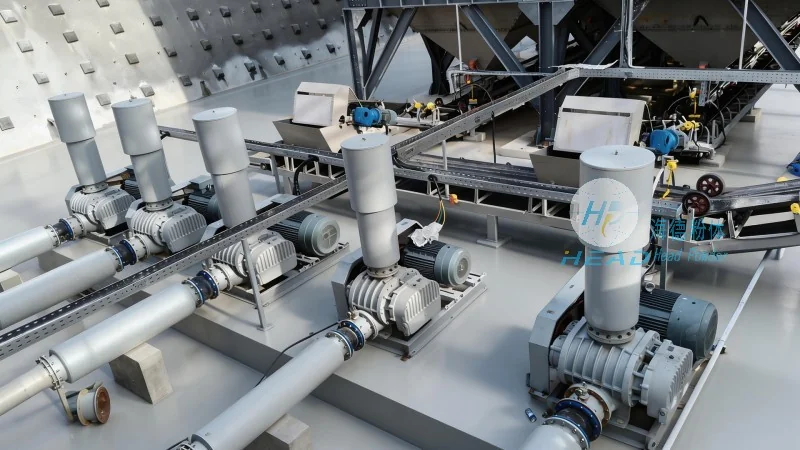
Material properties play a significant role in determining the most suitable conveying method. Factors such as particle size, density, moisture content, and flowability directly influence the choice of equipment. For example, free-flowing materials like wheat can be conveyed using belt conveyors or screw conveyors, while cohesive or sticky materials like flour may require pneumatic conveying systems to prevent blockages. The design must account for these characteristics to maintain consistent flow and prevent material degradation.
System Layout and Integration
System layout is another critical design principle. The arrangement of components, including hoppers, feeders, conveyors, and discharge points, must be optimized for the material's flow characteristics and the overall process requirements. A well-designed layout minimizes material handling time, reduces energy consumption, and enhances safety. It also considers the spatial constraints of the facility and the need for easy maintenance and cleaning. Engineers often use computational fluid dynamics (CFD) and simulation tools to model and optimize the system layout before implementation.
Energy Efficiency and Operational Costs
Energy efficiency is a key consideration in the design of conveying systems. High energy consumption can significantly increase operational costs over time. Modern designs incorporate features such as variable speed drives, efficient motor selections, and optimized conveyor speeds to reduce energy usage. Additionally, the selection of appropriate materials for conveyor components, such as corrosion-resistant metals or wear-resistant coatings, extends the system's lifespan and reduces maintenance costs. These measures contribute to long-term cost savings and environmental sustainability.
Safety and Compliance in Conveying Design
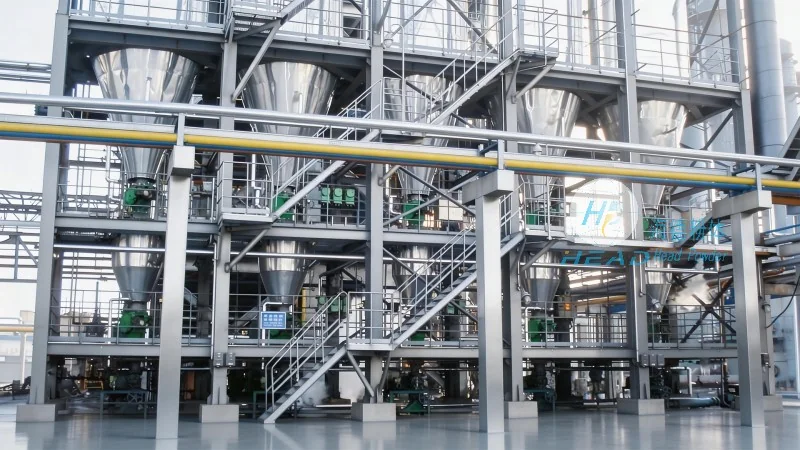
Safety is paramount in grain and bulk material conveying systems. Design principles must adhere to relevant safety standards and regulations to protect workers and prevent accidents. This includes proper guarding of moving parts, emergency stop mechanisms, and proper ventilation to manage dust and fumes. The system must also be designed to prevent material buildup, which can lead to blockages or even explosions in certain materials. Regular maintenance and inspection are essential to ensure ongoing safety and compliance.
Role of HeadPowder Engineering in Conveying Solutions
Shandong HeadPowder Engineering Co., Ltd. specializes in providing comprehensive solutions for grain and bulk material conveying. With a focus on innovative design and robust engineering, the company develops customized systems tailored to the specific needs of clients. HeadPowder's expertise lies in integrating the fundamental design principles discussed above, ensuring that each system is optimized for performance, efficiency, and safety. The company's commitment to quality and customer satisfaction has made it a trusted partner in the industry, delivering reliable and durable conveying solutions for various applications.
Conclusion
In summary, grain and bulk material conveying is a complex yet essential process that relies on well-defined design principles to achieve optimal performance. From understanding material properties to ensuring safety and energy efficiency, each aspect of the system's design contributes to its overall effectiveness. Companies like Shandong HeadPowder Engineering Co., Ltd. play a crucial role in translating these principles into practical, high-performance solutions that meet the demands of modern industries. By adhering to these design principles, businesses can enhance their operational efficiency, reduce costs, and ensure the safe and reliable handling of bulk materials.